
Introduction
In the heart of England lies a small but mighty breed that has been gaining popularity among dog enthusiasts – the Lancashire Heeler. This tiny but mighty canine is known for its striking appearance, unique characteristics, and loyal nature. In this article, we will delve into the world of the Lancashire Heeler, exploring its history, physical attributes, temperament, diet, training, and more.
Physical Characteristics
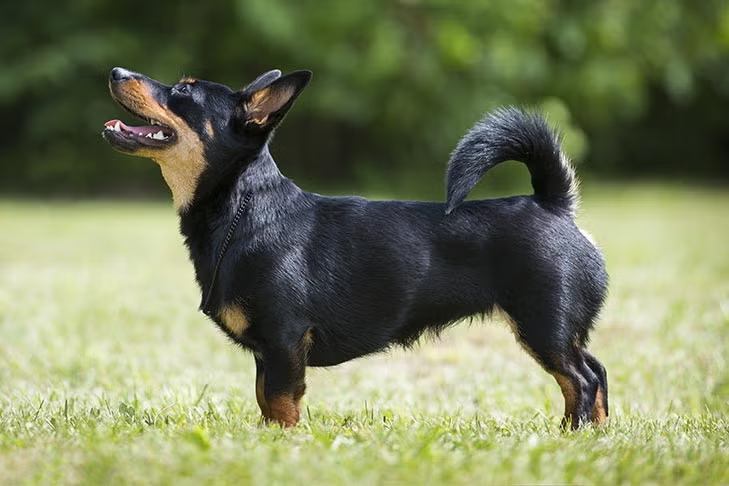
The Lancashire Heeler is a small to medium-sized dog with a compact and robust body. Its coat is short and wiry, with a distinctive texture that requires regular grooming. The breed comes in two main colors: black and tan, as well as gray and black with tan markings. Some individuals may also display white markings on their chest or paws.
The Lancashire Heeler has a short, rounded muzzle and long, hanging ears. Its eyes are large and dark, giving it an intelligent and alert expression. The breed’s most distinctive feature is its tail, which is carried high when the dog is excited or happy.
Weight and Height
Males typically weigh between 7-9 kg (15-20 lbs), while females range from 6-8 kg (13-18 lbs). The Lancashire Heeler stands approximately 25-30 cm (10-12 inches) tall at the shoulder, making it a small but sturdy breed.
Personality and Temperament
The Lancashire Heeler is known for its lively and energetic personality. This breed thrives on activity and mental stimulation, making them an excellent choice for active families or individuals. They are highly intelligent and trainable, but can be strong-willed at times, requiring patient and consistent training.
One of the most notable characteristics of the Lancashire Heeler is its loyalty and protectiveness towards its family. They make great companions and are often described as “velcro dogs” due to their tendency to stick close by their owners.
Diet and Nutrition
The Lancashire Heeler’s diet should be balanced and nutritious, taking into account its high energy levels and activity requirements. A well-balanced commercial dog food or a homemade diet rich in protein and complex carbohydrates is recommended.
It’s essential to monitor the dog’s weight and adjust its calorie intake accordingly to prevent obesity. Additionally, it’s crucial to provide regular dental care, as the Lancashire Heeler’s small jaw can lead to dental issues if not properly maintained.
Training and Exercise
The Lancashire Heeler requires regular exercise and mental stimulation to keep them happy and healthy. Daily walks, playtime, and training sessions are essential to burn off excess energy and prevent destructive behavior.
Housebreaking can be challenging for this breed due to its strong instinct to follow its nose, so consistent training and positive reinforcement are vital. Socialization is also crucial, as the Lancashire Heeler can be wary of strangers if not properly introduced.
Health and Grooming
The Lancashire Heeler is generally a healthy breed, but like all breeds, it’s prone to certain health issues. Hip dysplasia, patellar luxation, and eye problems are common concerns, so regular veterinary check-ups are essential.
The Lancashire Heeler’s coat requires regular grooming to prevent matting and tangling. A weekly brushing session can help keep their coat clean and healthy, reducing the risk of skin irritations and allergies.
Price and Availability
Due to its rarity and limited breeding programs, the Lancashire Heeler is one of the most expensive breeds available. Prices can range from £1,500 to £3,000 (approximately $2,000-$4,000 USD), depending on factors such as bloodline, breeder reputation, and location.
If you’re considering bringing a Lancashire Heeler into your family, be prepared for a long-term commitment. These dogs are known for their loyalty and affection towards their owners, making them a rewarding companion for the right owner.
Similar Breeds
While the Lancashire Heeler is a unique breed, there are several similar breeds that share its characteristics and traits. Some of these include:
- Corgi Cardigan: A small to medium-sized herding dog with a lively personality and intelligent nature.
- Bassotto Tedesco: A small to medium-sized hunting breed with a strong prey drive and energetic personality.
- Welsh Terrier: A small to medium-sized terrier with a feisty personality and high energy levels.
- Jack Russell Terrier: A small to medium-sized terrier with a lively, active nature and strong herding instincts.
History
The Lancashire Heeler has its origins in the 19th century, when it was bred as a working dog on farms in Lancashire. The breed was developed by crossing the Old English Sheepdog with the Black and Tan Terrier, creating a robust and energetic dog that could herd livestock and protect its family.
Throughout the centuries, the Lancashire Heeler has undergone significant changes, with many breeders attempting to standardize the breed’s characteristics. However, this has led to controversy among enthusiasts, who argue that the breed’s unique traits are being lost in the process of standardization.
Breed Standards
The Lancashire Heeler is recognized by several kennel clubs, including the Kennel Club of the United Kingdom and the American Kennel Club. Breed standards vary between these organizations, but most emphasize the importance of the breed’s intelligence, energy level, and loyalty.
Some notable breed standards include:
- Kennel Club of the United Kingdom: The Lancashire Heeler should have a sturdy build, with a weight range of 7-9 kg (15-20 lbs) for males and 6-8 kg (13-18 lbs) for females.
- American Kennel Club: The Lancashire Heeler should have a compact body, with a weight range of 15-20 pounds (6.8-9 kg) for males and 13-18 pounds (5.9-8.2 kg) for females.
Rarity
The Lancashire Heeler is considered a rare breed due to its limited breeding programs and low population numbers. Efforts are being made by breeders and enthusiasts to promote the breed, but it remains one of the most elusive canine companions in the world.
Conclusion
In conclusion, the Lancashire Heeler is a rare and unique breed that makes an excellent companion for active families or individuals. With proper care, training, and attention, this tiny but mighty canine can thrive in any environment, providing love, loyalty, and endless joy to its owner.
If you’re considering bringing a Lancashire Heeler into your family, be prepared for the long-term commitment required to care for these dogs. Their loyal nature, intelligence, and energetic personality make them an excellent choice for those willing to provide the necessary attention and training.
With their distinctive appearance, unique characteristics, and loving nature, the Lancashire Heeler is a breed that is sure to capture your heart and leave you wanting more.


