
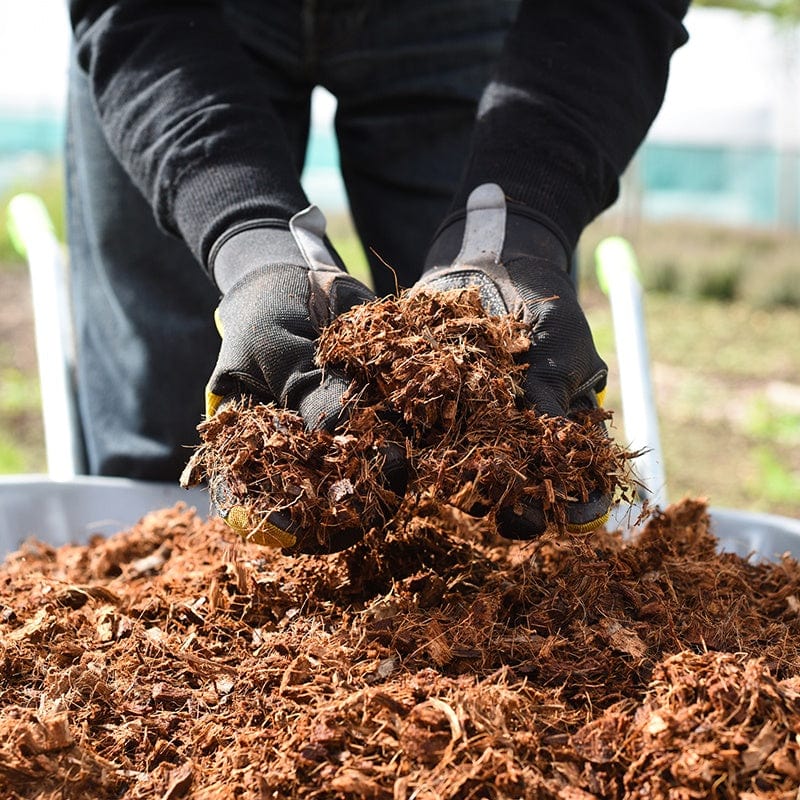
As we strive to reduce our environmental footprint, it’s essential to explore eco-friendly alternatives for terracing. One such option is the use of fibers from coconut husks (coir) as a natural mulch for controlling weeds and retaining moisture in the soil.
The Benefits of Coconut Fibers
Coconut fibers offer several advantages over traditional mulching materials. Unlike plastic films, which can leach chemicals into the soil, coir is biodegradable and non-toxic. Additionally, coconut fibers can be composted at the end of their lifespan, reducing waste and minimizing environmental pollution.
Using Coconut Fibers for Terracing
Coconut fibers are an excellent choice for terracing due to their unique properties:
- They can be buried underground after use, eliminating the need for disposal or recycling.
- Coconut fibers create a favorable microclimate for plant growth, retaining moisture and suppressing weeds.
- By incorporating coir into your mulching strategy, you’ll reduce water loss through evaporation and maintain soil quality.
Alternatives to Coconut Fibers
While coconut fibers are an excellent option, there are other natural materials that can be used for terracing:
- Dried Leaves: Collect leaves in autumn from healthy trees and store them in bags. Use them when needed to control weeds.
- Sawn Grass: Cut grass and dry it thoroughly. Store the dried grass in rolls or strips with a thickness of 3-5 cm. Use it as a natural mulch for terracing.
- Pine Shavings: Pine shavings are another eco-friendly option for terracing. They can be used in place of coconut fibers.
Tips for Using Coconut Fibers
To ensure optimal results, follow these guidelines:
- Choose high-quality coir that is free from contaminants and additives.
- Apply a uniform layer of coir to the soil surface.
- Maintain the desired thickness of 3-5 cm for optimal mulching performance.
Advantages of Using Coconut Fibers
Using coconut fibers has several advantages over other natural materials:
- Long-term Sustainability: Coconut fibers are biodegradable, meaning they can be composted at the end of their lifespan, reducing waste and minimizing environmental pollution.
- Water Retention: Coir creates a favorable microclimate for plant growth by retaining moisture in the soil, reducing water loss through evaporation.
- Soil Quality Maintenance: Coconut fibers help maintain soil quality by suppressing weeds, preventing erosion, and adding organic matter to the soil.
Disadvantages of Using Coconut Fibers
While coconut fibers have several advantages, there are some disadvantages to consider:
- Higher Cost: High-quality coir can be more expensive than other natural materials.
- Limited Availability: Coconut fibers may not be readily available in all areas due to transportation costs and supply chain logistics.
Alternatives to Coconut Fibers
While coconut fibers are an excellent option, there are other natural materials that can be used for terracing:
- Dried Leaves: Collect leaves in autumn from healthy trees and store them in bags. Use them when needed to control weeds.
- Sawn Grass: Cut grass and dry it thoroughly. Store the dried grass in rolls or strips with a thickness of 3-5 cm. Use it as a natural mulch for terracing.
- Pine Shavings: Pine shavings are another eco-friendly option for terracing. They can be used in place of coconut fibers.
Tips for Using Other Natural Materials
To ensure optimal results, follow these guidelines:
- Choose high-quality materials that are free from contaminants and additives.
- Apply a uniform layer of the material to the soil surface.
- Maintain the desired thickness for optimal mulching performance.
Conclusion
Coconut fibers are an excellent choice for terracing due to their biodegradable, non-toxic, and compostable properties. By incorporating coir into your mulching strategy, you’ll not only reduce waste but also create a favorable microclimate for plant growth. Consider the alternatives listed above and explore other eco-friendly options for your terracing needs.
FAQs
- What are the benefits of using coconut fibers for terracing?
- How do I store coconut fibers after use?
- Can I use coconut fibers in areas with high winds?
- Are there any health risks associated with using coconut fibers?
- Can I compost coconut fibers at home?
- What are some alternative natural materials for terracing?
- How can I maintain the desired thickness of coir for optimal mulching performance?
- Are coconut fibers suitable for all types of plants?


