
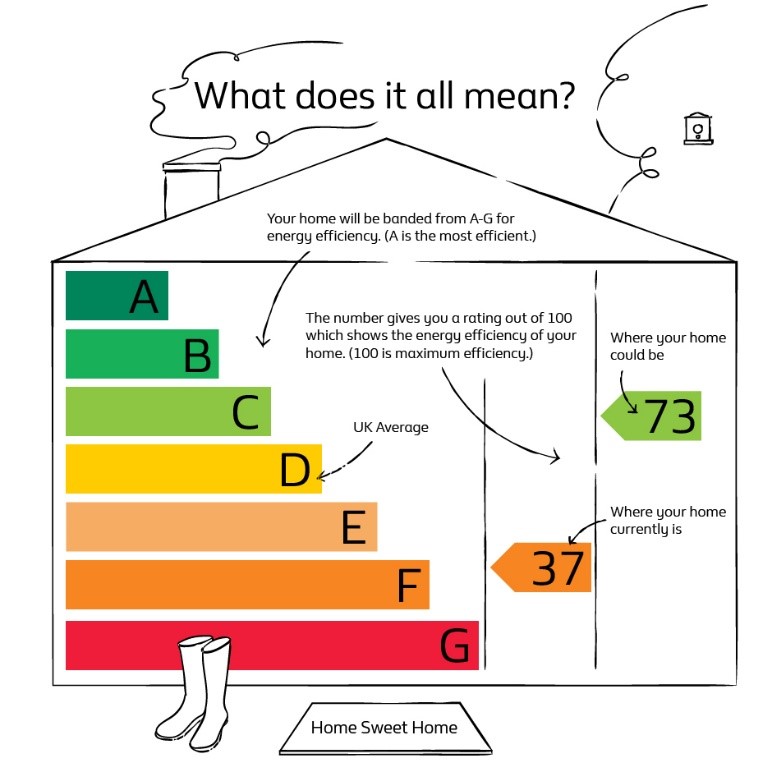
As a homeowner or buyer, it’s essential to consider the energy efficiency of an apartment or house when making a purchase. The efficiency of an edifice can significantly impact your electricity bills and contribute to environmental sustainability. In recent years, governments have implemented regulations requiring real estate agents to disclose energy efficiency ratings in property announcements.
Introduction to Energy Efficiency Certifications
Energy efficiency certifications are a growing concern in the real estate industry. These certifications inform buyers about the potential energy costs associated with owning or renting a particular property. The most common classification system is based on the European Union’s Building Regulation Directive, which rates buildings from A (most efficient) to G (least efficient).
The Need for Energy Efficiency Certifications
In 2012, the Italian government introduced new regulations that made it mandatory for real estate agents to indicate the energy efficiency class of an apartment or house when advertising for sale or rent. The classification system was designed to provide a simple and standardized way to communicate energy efficiency information to buyers. By requiring real estate agents to disclose this information, governments aim to encourage buyers to make more informed purchasing decisions.
The Benefits of Energy Efficiency Certifications
There are several benefits associated with energy efficiency certifications:
- Reduced Electricity Bills: Energy-efficient buildings can significantly lower electricity bills, which is a major cost savings for homeowners.
- Increased Property Value: Properties with high energy efficiency ratings tend to increase in value over time, making them more attractive to potential buyers.
- Enhanced Environmental Sustainability: By promoting energy-efficient building practices, governments and real estate agents play a crucial role in reducing greenhouse gas emissions and mitigating climate change.
Classifications and Classification System
There are six possible classifications in the European Union classification system:
- A (most efficient)
- B
- C
- D
- E
- F (least efficient)
The classification is determined by a building’s energy performance index, which takes into account factors like insulation, windows, and heating systems.
Regional Regulations and Sanctions
While the national regulations have been in place since 2012, only one region has implemented stricter rules: Lombardy. In this region, failing to disclose the energy efficiency class can result in fines of up to €5,000 for real estate agents. Other regions do not enforce these regulations, leaving a significant gap in terms of enforcement.
Low Adherence to New Regulations
Despite the introduction of new regulations, only 4% of property announcements have adhered to the requirements since January 2012. This low compliance rate highlights the need for more effective monitoring and sanctions to ensure that real estate agents are meeting their obligations.
Cost of Energy Certifications and Autocertification Options
Obtaining an energy certification can be costly, with prices ranging from €200 to €300 per building. However, some experts propose autocertification as a cost-effective alternative. According to the Federazione Italiana degli Agenti Immobiliari Professionali (FIAIP), approximately 80% of Italian properties fall into category F, which is considered the most energy-efficient class.
The Role of Real Estate Agents in Energy Efficiency Certification
Real estate agents play a crucial role in promoting energy efficiency certification. By disclosing the energy efficiency class of a property, they can help buyers make more informed purchasing decisions and contribute to reducing energy consumption.
Conclusion: Why Energy Efficiency Matters in Real Estate Announcements
In conclusion, energy efficiency certifications are an essential aspect of real estate announcements. By disclosing the energy efficiency class of a property, buyers and sellers can make more informed decisions and contribute to reducing energy consumption. Governments and real estate agents must work together to promote energy-efficient building practices and ensure that buyers have access to accurate information about a property’s energy efficiency.
Frequently Asked Questions (FAQs)
- What is the purpose of energy efficiency certifications in real estate announcements?
Energy efficiency certifications inform buyers about the potential energy costs associated with owning or renting a particular property. - Which region has implemented stricter regulations regarding energy efficiency classifications?
Lombardy is the only region that enforces these regulations and imposes fines for non-compliance. - What percentage of property announcements have adhered to new regulations since 2012?
Only 4% of property announcements in Italy comply with the requirements. - How much does it cost to obtain an energy certification for a building?
Prices range from €200 to €300 per building, depending on factors like size and complexity. - Can autocertification be considered as an alternative to traditional certifications?
Yes, autocertification can be a cost-effective option for property owners who want to demonstrate their commitment to energy efficiency. -
What is the estimated percentage of Italian properties that fall into category F (the most energy-efficient class)?
Approximately 80% of Italian properties are classified as F, according to FIAIP estimates. -
How do energy efficiency certifications benefit property owners?
By adopting energy efficiency certifications, property owners can reduce electricity bills, increase their property’s value, and enhance its environmental sustainability. -
What is the current state of enforcement regarding energy efficiency classifications in Italy?
Enforcement varies across regions, with Lombardy being the only region that strictly enforces these regulations. -
Can you provide more information about autocertification options for property owners?
Autocertification can be a cost-effective alternative to traditional certifications, allowing property owners to demonstrate their commitment to energy efficiency. - What are some potential consequences of not disclosing an energy efficiency classification in real estate announcements?
Property owners who fail to disclose the energy efficiency class may face fines, penalties, or reputational damage.
Conclusion
Energy efficiency certifications play a crucial role in promoting transparency and sustainability in the real estate market. By understanding the importance of these classifications and implementing effective regulations, we can work towards creating more environmentally friendly communities.


