
After the biomass board and rice cement, we’re back to talking about building materials, and this time it’s all about lime. The world of natural lime is a fascinating one, with its own set of challenges and benefits.
Lime has been used for centuries in construction, dating back to ancient civilizations such as Egypt and Rome. Its versatility and durability have made it a staple material in many cultures around the world. However, despite its long history, lime remains a complex and often misunderstood material. In this article, we’ll delve into the world of natural lime, exploring its environmental impact, sustainable production methods, and innovative applications.
A High-Energy Industry
One of the biggest concerns when it comes to lime is its high energy consumption. In fact, it’s estimated that up to 50% of the production costs of lime are directly related to energy expenditure. This is because the process of producing lime requires a lot of heat, which can have significant environmental implications.
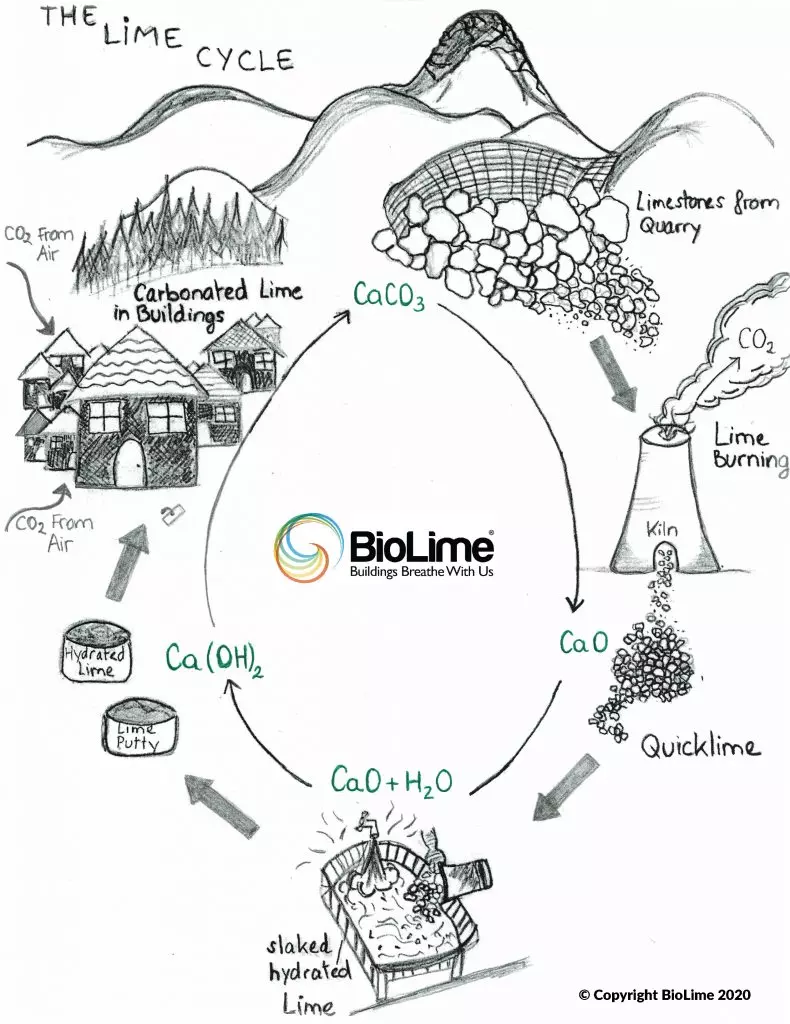
To create lime, pure limestone needs to be heated to around 800°C, and then “burned” in a bath of water to produce a material called hydraulic lime or quicklime (calcium oxide). This process can take several days to complete, during which time large amounts of energy are required to heat the limestone. Additionally, the production process often involves burning fossil fuels, which releases greenhouse gases into the atmosphere.
The Impact on the Environment
So, what exactly is the impact of lime on the environment? Well, it all starts with the production process itself. The high-energy requirements of lime production contribute to greenhouse gas emissions, air pollution, and waste generation. Moreover, the use of limestone as a raw material can lead to deforestation and habitat destruction.
However, natural lime also has several environmental benefits. For example, lime is biodegradable and can be easily disposed of at the end of its life cycle. Additionally, lime-based mortars have been shown to reduce carbon emissions in buildings by up to 40% compared to traditional cement-based mortars.
The Sustainable Side
Despite these concerns, natural lime is often touted as a sustainable building material. And for good reason – it has a long cycle of life and can be easily disposed of compared to other materials. Moreover, the use of lime in construction can lead to energy savings, reduced waste generation, and improved indoor air quality.
However, even with its sustainable credentials, the production process itself still poses significant environmental challenges. To address these concerns, some companies are working to develop more sustainable production methods. For example, Harpo Group from Trieste is using a traditional furnace fueled by wood ash, which reduces energy costs and minimizes environmental impact.
Aging the Lime
One innovative approach to reducing the environmental impact of lime is aging the lime outdoors. This process involves leaving the lime in an open environment for several months or even years, allowing it to absorb natural properties and develop its unique characteristics.
Harpo Group from Trieste has been using this method to age their lime, resulting in a unique, vellutated finish that’s both permeable and resistant over time. This process not only reduces the environmental impact of lime production but also enhances its performance and durability.
A Greener Process
However, not all natural lime is created equal. Some companies are working to develop more sustainable production methods. For example, Harpo Group uses a traditional furnace fueled by wood ash, which reduces energy costs and minimizes environmental impact.
Other companies are exploring alternative raw materials, such as recycled limestone or industrial waste, to reduce the environmental impact of lime production. Additionally, some companies are developing new technologies, such as solar-powered furnaces, to further reduce energy consumption.
The Science Behind the Process
So, how does this process work? The ciottoli (small stones) used to produce lime are heated in a traditional furnace at temperatures of 900-1000°C for around seven days. This slow cooking process allows the lime to absorb its natural properties and develop its unique characteristics.
During this time, the limestone undergoes a chemical reaction called calcination, which converts it into calcium oxide (quicklime). This process is followed by a series of complex reactions that transform the quicklime into hydraulic lime or plaster of Paris.
The Finished Product
Once the lime has been aged, it’s cooled down and mixed with water to create hydraulic lime or quicklime (calcium oxide). This final product is then used in building applications such as plastering, mortaring, and pointing.
Hydraulic lime is a highly versatile material that can be used for a wide range of construction projects. It’s durable, resistant to weathering, and can be applied in thin layers to create decorative finishes.
Conclusion
In conclusion, natural lime is a complex material with both environmental and sustainability benefits. While its production process still poses significant challenges, innovative approaches like aging the lime outdoors can help minimize these impacts. By understanding the science behind the process and adopting more sustainable methods, we can unlock the full potential of natural lime as a building material.
Moreover, the use of natural lime in construction can lead to numerous environmental benefits, including reduced greenhouse gas emissions, improved indoor air quality, and energy savings. As we move forward in the 21st century, it’s essential that we prioritize sustainable materials like natural lime in our building practices.
Frequently Asked Questions
- Is lime a sustainable building material?
While lime has a long cycle of life and is biodegradable, its production process still poses significant environmental challenges. - How much energy does it take to produce lime?
Up to 50% of the production costs of lime are directly related to energy expenditure. - What’s the impact of aging the lime on the environment?
Aging the lime outdoors can help reduce environmental impact by allowing it to absorb natural properties and develop its unique characteristics. - Can we reduce energy consumption in the production process?
Yes, using traditional furnaces fueled by wood ash or other sustainable fuels can help minimize energy costs and environmental impact. - Is hydraulic lime still used today?
Yes, hydraulic lime is still widely used in building applications such as plastering, mortaring, and pointing. - Can we use quicklime in construction?
Quicklime (calcium oxide) is not typically used in construction due to its high reactivity and potential for health risks. - How long does the aging process take?
The aging process can take anywhere from 24 months to several years, depending on the specific method used. - Is Biocalce intonachino a type of natural lime?
Biocalce intonachino is indeed a type of natural lime made using traditional methods and materials.
Additional Resources
For further information on natural lime and its environmental impact, we recommend the following resources:
- The British Lime Association (BLA) – A UK-based organization that promotes the use of lime in construction.
- The International Council for Building and Construction Research and Innovation (CIB) – An international organization that promotes sustainable building practices.
- The Natural Stone Council (NSC) – An organization that promotes the responsible use of natural stone in construction.
By exploring these resources and adopting more sustainable methods, we can unlock the full potential of natural lime as a building material and contribute to a more environmentally friendly future.


