
Introduction
As the second-largest consumer of energy after residential homes, offices are a prime target for energy-saving initiatives. By implementing simple policies and technologies, businesses can significantly reduce their energy consumption and lower their environmental impact. In this article, we will explore the most effective ways to optimize office energy savings.
The Office as an Energy-Intensive Environment
The office is an environment where many opportunities for energy savings exist. With multiple employees working on computers and using printers, copiers, and other electronic devices, there is a natural incentive to reduce energy consumption. However, the office’s greatest area of improvement lies in its HVAC system and lighting.
The Importance of Riscaldamento e Raffrescamento
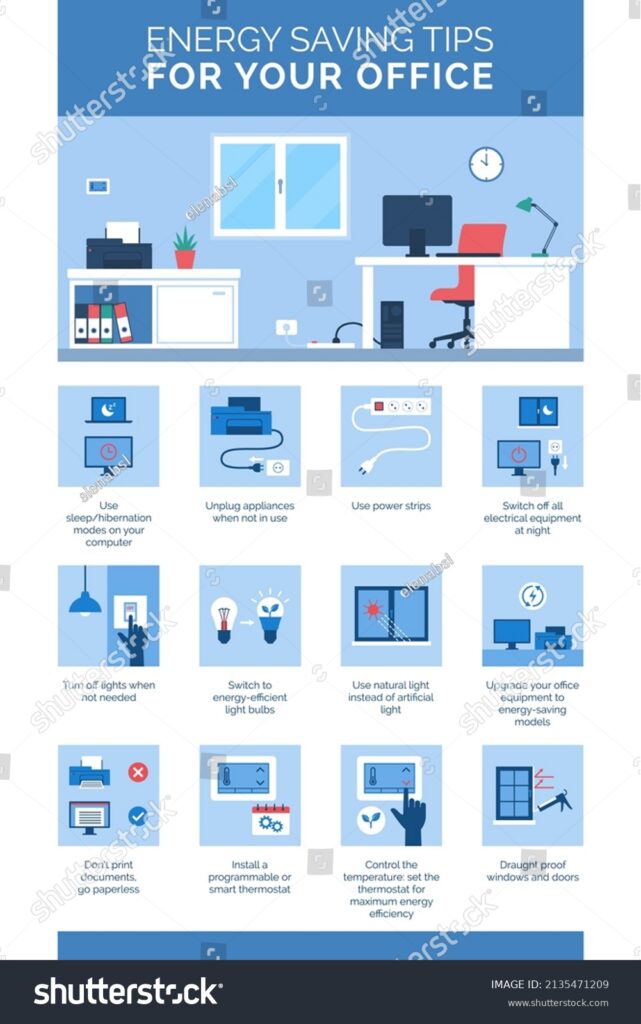
A significant portion of an office’s energy expenditure goes towards heating and cooling. The quality of the building itself plays a crucial role in this regard. Well-designed buildings with minimal heat loss can significantly reduce energy consumption. It is essential to adjust the thermostat levels during both winter and summer months.
- Set the temperature between 20-22°C (68-72°F) for optimal comfort and reduced energy consumption. This setting will provide a comfortable working environment while minimizing energy waste.
- Avoid opening windows during heating mode, as this can cause a significant increase in energy usage. Instead, use thermal curtains or blinds to regulate temperature fluctuations.
- Consider installing a zoned HVAC system, which allows for more precise control over different areas of the building. This can lead to substantial energy savings by reducing the need for unnecessary heating and cooling.
The Impact of Illumination
Lighting is another area where offices waste a considerable amount of energy. In today’s digital age, offices are often filled with computers, printers, and other electronic devices that require lighting to function. This has led to an over-reliance on artificial lighting sources, which consume significant amounts of energy.
- LED Lighting: Consider replacing traditional incandescent bulbs with LED-based solutions. These have been shown to reduce energy consumption by up to 75%. LEDs are also known for their long lifespan and low maintenance requirements.
- Natural Light: Whenever possible, utilize natural light instead of electric lighting. This not only reduces energy usage but also improves employee well-being and productivity.
- Task Lighting: Implement task lighting that provides focused illumination for specific areas. This approach minimizes unnecessary lighting in unoccupied spaces.
Managing Dispositivi elettronici
The use of electronic devices is a significant contributor to an office’s energy consumption. To minimize this impact:
- Turn off computers and monitors when not in use to avoid standby power consumption. Unplug these devices from the wall outlet or switch them to sleep mode.
- Use power strips to easily switch off entire sections of equipment when not needed. This eliminates unnecessary energy draw from the electrical grid.
- Set printers and copiers to sleep mode during periods of inactivity. These devices can consume a significant amount of energy even when turned off, but their standby power consumption is often still present.
- Maintain a balanced usage schedule for office appliances, such as refrigerators, air conditioners, and microwaves. Regularly check for updates on the most energy-efficient models available.
Additional Strategies
In addition to implementing these strategies, consider the following:
- Upgrade to energy-efficient equipment: Regularly assess your existing equipment and replace it with more energy-efficient alternatives when necessary.
- Conduct an energy audit: Hire a professional to conduct an energy audit of your office building. This will help identify areas where energy consumption is highest and provide recommendations for improvement.
- Encourage employee participation: Educate employees on the importance of energy conservation and encourage them to take part in implementing these strategies.
- Invest in smart home automation systems: Consider investing in a smart home automation system that can monitor and control lighting, temperature, and other office equipment remotely.
Conclusion
By implementing these simple yet effective strategies, businesses can significantly reduce their energy consumption and lower their environmental impact. It is essential to prioritize the most critical areas, including HVAC systems and lighting, while also managing electronic device usage.


