
Understanding Anemia: Causes, Symptoms, and Treatment
Anemia is a common health issue that affects millions of people worldwide. While it’s often associated with iron deficiency, there are many other factors at play. In this article, we’ll delve into the causes, symptoms, and treatment options for anemia, helping you better understand this complex condition.
What is Anemia?
Anemia is a medical term that refers to a range of conditions characterized by a decrease in the amount of hemoglobin, a protein in red blood cells that carries oxygen throughout the body. This reduction can lead to fatigue, weakness, and shortness of breath, among other symptoms.
To understand anemia, it’s essential to recognize the importance of iron in our bodies. Iron is a crucial component of hemoglobin, which enables the transport of oxygen from the lungs to the tissues. Without sufficient iron, our body may not be able to produce enough hemoglobin, leading to anemia.
Types of Anemia
There are several types of anemia, each with distinct characteristics and causes. The most common type is iron deficiency anemia (IDA), which occurs when the body doesn’t have enough iron to produce hemoglobin. Other forms of anemia include:
- Vitamin deficiency anemia: caused by a lack of vitamins B12 or folate
- Anemia of chronic disease: associated with chronic diseases like cancer, HIV/AIDS, or rheumatoid arthritis
- Sickle cell anemia: a genetic disorder that affects hemoglobin production
Causes of Anemia
While iron deficiency is the most common cause of anemia, there are many other factors that can contribute to this condition. Some of these causes include:
- Poor diet: inadequate intake of iron-rich foods
- Chronic diseases: certain conditions like cancer, HIV/AIDS, or rheumatoid arthritis
- Genetic disorders: sickle cell anemia, thalassemia, and others
- Pregnancy: increased iron needs during pregnancy
- Menstruation: iron loss due to menstrual bleeding
Symptoms of Anemia
Anemia can cause a range of symptoms, including:
- Fatigue and weakness
- Shortness of breath
- Pale skin and mucous membranes
- Headaches and dizziness
- Cold hands and feet
- Poor appetite and weight loss
Some people may not experience any symptoms at all, especially if they have mild anemia.
Treatment Options
While there is no cure for anemia, treatment options are available to help manage the condition. These include:
- Iron supplements: oral or injected iron supplements to increase hemoglobin production
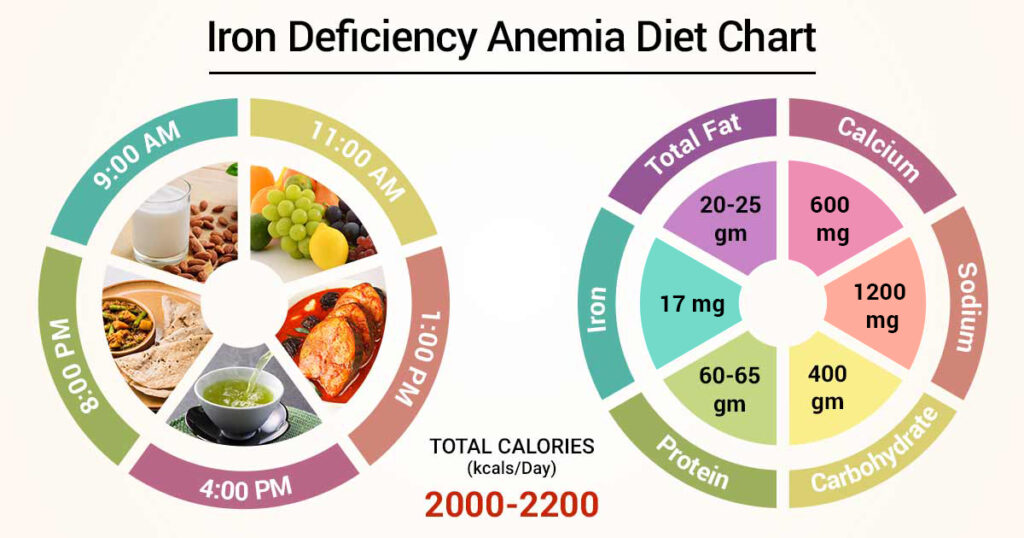
- Dietary changes: increasing iron intake through diet and supplements
- Addressing underlying causes: treating chronic diseases or genetic disorders that contribute to anemia
Understanding Anemia in Children
Anemia can affect children of all ages, from infants to teenagers. In children, anemia is often caused by a lack of iron due to inadequate dietary intake or increased iron needs during growth and development.
Symptoms of anemia in children may include:
- Fatigue and weakness
- Pale skin and mucous membranes
- Shortness of breath
- Headaches and dizziness
Treatment for anemia in children typically involves increasing iron intake through diet and supplements, as well as addressing underlying causes such as chronic diseases or genetic disorders.
Anemia in Pregnancy
Pregnancy is a time when the body’s iron needs are increased significantly. Pregnant women are at risk of developing anemia due to this increased demand for iron. Anemia during pregnancy can lead to complications for both mother and baby, including premature birth and low birth weight.
Symptoms of anemia in pregnant women may include:
- Fatigue and weakness
- Pale skin and mucous membranes
- Shortness of breath
- Headaches and dizziness
Treatment for anemia in pregnancy typically involves increasing iron intake through diet and supplements, as well as addressing underlying causes such as chronic diseases or genetic disorders.
Anemia in Older Adults
Older adults are at risk of developing anemia due to age-related changes in the body’s ability to produce red blood cells. Anemia can be caused by a lack of vitamin B12 or folate, which are essential for hemoglobin production.
Symptoms of anemia in older adults may include:
- Fatigue and weakness
- Shortness of breath
- Pale skin and mucous membranes
Treatment for anemia in older adults typically involves increasing iron intake through diet and supplements, as well as addressing underlying causes such as chronic diseases or genetic disorders.
Conclusion
Anemia is a complex condition that requires comprehensive treatment. By understanding the causes, symptoms, and treatment options for anemia, individuals can take proactive steps towards managing their condition. Whether you’re struggling with fatigue and weakness or pale skin and mucous membranes, there’s hope for recovery and relief.
FAQs
- What is the primary cause of anemia?
- Iron deficiency
- Can I treat anemia with diet alone?
- No, while dietary changes can help increase iron intake, supplements or other treatments may be necessary to manage the condition.
- How do I know if I have anemia?
- Look for symptoms like fatigue, weakness, shortness of breath, and pale skin
- Can I get pregnant with anemia?
- Yes, but it’s essential to consult a healthcare provider before becoming pregnant if you have anemia.
- How long does it take to recover from anemia?
- Treatment duration varies depending on the cause and severity of anemia.
Consulting with a healthcare professional is recommended for accurate diagnosis and treatment planning.


