
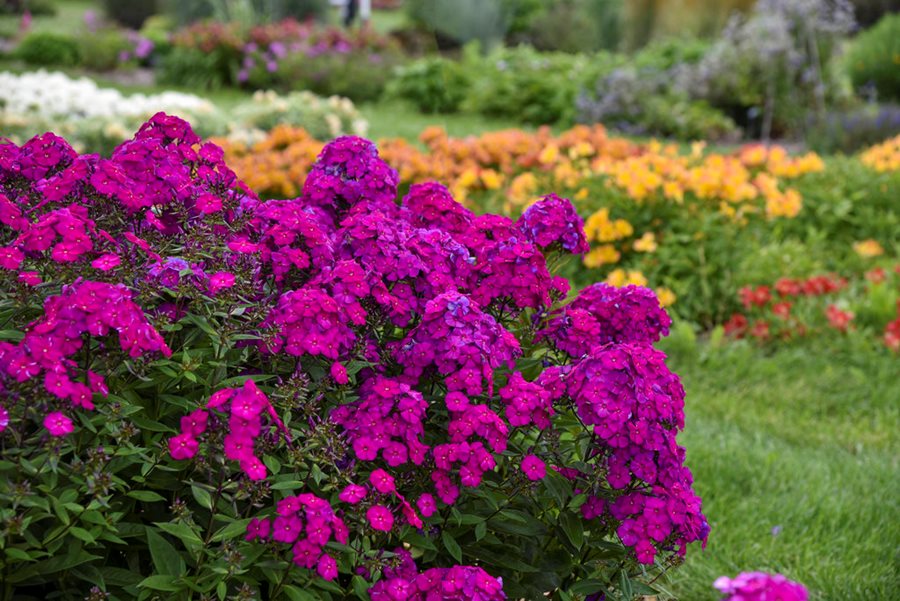
As the summer months approach, many gardeners look for ways to add vibrant colors and fragrance to their outdoor spaces. One popular option is phlox, a perennial flower known for its beautiful blooms and low maintenance requirements. In this article, we’ll delve into the world of phlox, exploring its characteristics, cultivation methods, and care tips.
What is Phlox?
Phlox is a genus of flowering plants that belong to the Polemoniaceae family. Comprising around 60 species of annuals and perennials, phlox can be either rustic or semi-rustic. The most popular variety, Phlox paniculata, is a perennial flower that can grow up to 100 cm tall.
Characteristics of Phlox
Phlox paniculata has several distinguishing features that make it an attractive addition to any garden:
- Flower color and form: With over 100 varieties, phlox flowers come in a range of colors, including pink, purple, white, and bi-colored. The flowers can be single or double-petaled, and some varieties have unique shapes like scalloped edges.
- Leaf shape and size: Phlox leaves are typically lance-shaped, measuring 4-5 cm long. Some varieties may have variegated or ornamental foliage.
- Inflorescence: The inflorescences of phlox resemble those of orchids, with some varieties reaching up to 20 cm in length.
Growing Phlox
Phlox is an adaptable plant that can thrive in small gardens. To grow phlox:
- Choose a sunny location: Phlox prefers full sun to partial shade.
- Plant at the right time: Autumn is the best time to plant phlox, as it allows the roots to establish before winter.
- Space correctly: Maintain a distance of 40 cm between plants to ensure good air circulation and prevent disease.
Caring for Phlox
Phlox requires minimal care once established. To keep your phlox healthy:
- Use well-draining soil: Mix in compost or organic matter to improve soil structure and fertility.
- Water regularly: Keep the soil moist during the growing season, but avoid overwatering.
- Fertilize: Feed with a balanced fertilizer in spring and summer.
Common Issues
Phlox can be susceptible to diseases like powdery mildew and root rot. To prevent these issues:
- Provide good air circulation: Space plants far enough apart to allow for adequate airflow.
- Use fungicides: Apply a fungicide specifically designed for phlox if you notice signs of infection.
Tips and Variations
Phlox comes in many varieties, each with its unique characteristics. Some popular options include:
- Pink and purple varieties: These are among the most common colors found in phlox.
- White and bi-colored varieties: Add a touch of elegance to your garden with these delicate blooms.
- Dwarf varieties: Perfect for small gardens, these compact plants produce plenty of flowers.
Pest Control
Phlox can be susceptible to pests like aphids and whiteflies. To control these pests:
- Inspect your plants regularly: Catch any infestations early by checking for signs of pests.
- Use neem oil or insecticidal soap: Apply a pesticide specifically designed for phlox if you notice an infestation.
Propagation
Phlox can be propagated through division, seed, or layering. To propagate phlox:
- Divide established plants: Carefully separate the roots of mature phlox plants to create new plants.
- Sow seeds directly in the ground: Plant phlox seeds about 10 cm deep and 20-30 cm apart after the last frost date.
- Layer stems: Take a healthy stem cutting from a mature phlox plant, bend it down towards the soil, and secure it with a rock or U-shaped wire.
Pruning
Phlox can benefit from regular pruning to promote bushy growth and encourage more blooms. To prune phlox:
- Remove dead flowers: Cut off spent flowers to direct energy towards new blooms.
- Trim back foliage: Reduce the height of your phlox plant by about one-third after blooming.
Conclusion
Phlox is an excellent choice for gardeners looking for low-maintenance, high-reward flowers. With its wide range of colors and adaptable nature, phlox can thrive in even the smallest gardens. By following the tips outlined in this article, you’ll be well on your way to growing a beautiful and fragrant phlox bloom.
Frequently Asked Questions
- How often should I water my phlox?
- Water regularly during the growing season, but avoid overwatering.
- What is the best time to plant phlox?
- Autumn is the best time to plant phlox, as it allows the roots to establish before winter.
- Can I grow phlox in partial shade?
- Phlox prefers full sun to partial shade, but some varieties can tolerate more shade than others.
- How often should I fertilize my phlox?
- Feed with a balanced fertilizer in spring and summer.
- What are the most common diseases that affect phlox?
- Powdery mildew and root rot are two of the most common issues affecting phlox.
- Can I grow phlox in containers?
- Yes, phlox can be grown in containers, but make sure to provide enough space for air circulation.
- How often should I deadhead my phlox?
- Remove spent flowers regularly to encourage more blooms and prevent seed production.
- What is the difference between Phlox paniculata and other phlox varieties?
- Phlox paniculata is a perennial flower known for its large, showy blooms and low maintenance requirements. Other varieties may have different characteristics, such as smaller flowers or more compact growth habits.
By following these tips and guidelines, you’ll be able to grow healthy, thriving phlox plants that bring joy and beauty to your garden.


