
Yams are a unique type of root vegetable native to Asia, Africa, and the Caribbean. Often confused with sweet potatoes, yams have distinct differences in terms of sweetness and starch content. The exterior of yams is typically brown, while the flesh can be white, yellow, purple, or pink depending on its maturity.
What are the Nutritional Benefits of Yams?
Yams are rich in vitamins, minerals, and dietary fiber. One cup (136 grams) of cooked yams provides:
- Calories: 158
- Carbohydrates: 37 grams
- Protein: 2 grams
- Fat: 0 grams
- Fiber: 5 grams
- Vitamin C: 18% of the Daily Value (DV)
- Vitamin B5: 9% of the DV
- Manganese: 22% of the DV
- Magnesium: 6% of the DV
- Potassium: 19% of the DV
- Thiamin: 11% of the DV
- Iron: 23% of the DV
- Folate: 6% of the DV
In summary, yams are not only a great source of fiber but also rich in potassium and manganese, essential for maintaining healthy bones, growth, metabolism, and heart function. They also provide significant amounts of other micronutrients like iron and thiamin.
The Brain-Boosting Effects of Yams
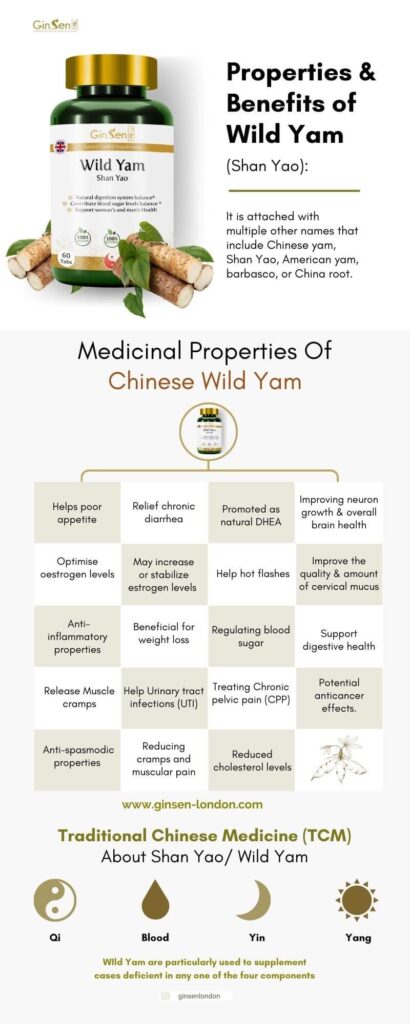
Consuming yams may improve cognitive function. In a recent study, people who took an extract of yam supplements showed higher scores on a brain function test compared to those in the control group.
It’s likely that the diosgenin compound present in yams plays a role in promoting neuronal growth and improving brain function. However, more research is needed to fully understand how yams can benefit cognitive health.
Menopause Relief with Yams
Yams may also help alleviate some symptoms of menopause. In another study conducted on 24 postmenopausal women who consumed cooked yams at two meals per day (390 grams in total), their blood levels of estrone and estradiol increased by 26% and 27%, respectively.
During menopause, estrogen levels decrease, leading to symptoms like hot flashes and mood changes. Improving estrogen levels may alleviate these symptoms. Again, more research is necessary to confirm the benefits of yams on menopausal symptoms.
Cancer Prevention through Antioxidants
Some studies suggest that yams contain antioxidants with potential anti-cancer properties. One animal study found that a diet rich in yams reduced colon cancer growth significantly. The antiossidants present in yams may protect against cancer.
Another study discovered that yam extracts, particularly the skin, had inhibitory effects on liver cancer cell growth and exhibited significant antioxidant activity.
Reducing Inflammation with Yams
Yams’ high content of antioxidants can help reduce inflammation, a chronic condition linked to various diseases such as heart disease, diabetes, and obesity. Consuming anti-inflammatory foods like yams may aid in managing chronic inflammation.
Lowering Blood Sugar with Yams
Yams may also improve blood sugar levels. A recent study found that rats fed yam powder or extract had lower fasting glucose levels and HbA1c (a measure of long-term glucose control) compared to the control group.
Another study discovered that rats consuming more yam extract showed reduced appetite, weight loss, and improved glucose metabolism compared to the control group.
Other Potential Benefits of Yams
In addition to the benefits mentioned earlier, yams may also:
- Improve digestive health: The resistant starch in yams can increase digestive enzymes and beneficial gut bacteria.
- Aid in weight loss: Studies suggest that yam extract may reduce appetite and promote weight loss.
- Display antimicrobial effects: Some studies have found that yam extract has antibacterial properties.
- Enhance cholesterol levels: A recent study discovered that women consuming 390 grams of cooked yams per day for 30 days showed a 6% decrease in blood cholesterol levels.
Yam Varieties and Their Nutritional Values
There are several types of yams, each with its unique nutritional profile. Some of the most common varieties include:
- Japanese yam (Dioscorea opposita): This variety is high in starch and has a low fiber content.
- African yam (Dioscorea rotundata): This variety is rich in antioxidants and has a higher fiber content than Japanese yams.
- Caribbean yam (Dioscorea spp.): This variety is known for its sweet taste and contains more sugar than other types of yams.
Growing Yams at Home
If you’re interested in growing your own yams, here are some tips to get started:
- Choose a sunny spot with well-draining soil.
- Plant yam tubers 12-18 inches apart and cover them with about 4 inches of soil.
- Water the plants regularly, but avoid overwatering.
- Fertilize the plants once a month with a balanced fertilizer.
Yam Recipes
Here are some delicious yam recipes you can try:
- Yam fries: Slice yams into thin strips, toss with olive oil and your favorite seasonings, and bake until crispy.
- Mashed yams: Boil or steam yams until tender, then mash with butter, milk, and salt and pepper to taste.
- Roasted yams: Toss sliced yams with olive oil, salt, and pepper, and roast in the oven until caramelized.
Yam Side Effects
While yams are generally considered safe to eat, some people may experience side effects when consuming them. These include:
- Allergic reactions: Some people may be allergic to yams, which can cause symptoms like hives, itching, and swelling.
- Digestive issues: Yams contain resistant starch, which can be difficult for some people to digest.
- Interactions with medications: Diosgenin, a compound found in yams, may interact with certain medications, such as blood thinners.
Conclusion
Incorporating yams into your diet is easy and versatile. With their numerous health benefits, why not give them a try? Consult with your doctor to learn more about this important root vegetable.
Frequently Asked Questions
- What are the best ways to prepare yams?
You can cook yams in various ways, such as boiling, steaming, roasting, frying, or sautéing. - Can I grow my own yams at home?
Yes, you can cultivate yams at home, but it requires specific conditions and care. - Are yams a good source of protein?
No, yams are not a significant source of protein; however, they do contain some protein. - Can I use yam powder as a supplement?
Yes, yam powder can be used as a dietary supplement, but consult with your doctor before using it. -
How many calories are in one cup of cooked yams?
One cup (136 grams) of cooked yams contains approximately 158 calories. -
Are yams suitable for people with diabetes?
Yes, yams can be a good option for people with diabetes due to their low glycemic index and rich fiber content. -
Can I substitute yams for sweet potatoes in recipes?
While yams have similar textures to sweet potatoes, they have different flavors and properties; use them interchangeably at your own risk. -
How can I incorporate more yams into my diet?
Add cooked or roasted yams to salads, soups, stews, or as a side dish. You can also make yam fries or mashed yams for a delicious snack. -
What is the difference between yams and sweet potatoes?
Yams are typically starchier than sweet potatoes and have a drier texture. -
Can I buy frozen yams at my local grocery store?
Yes, many grocery stores carry frozen yams or yam powder in their produce section. -
How do I store yams after cooking them?
Store cooked yams in an airtight container in the refrigerator for up to 3 days. -
Can I use yams in smoothies or juices?
Yes, you can add cooked or roasted yams to your favorite smoothie or juice recipes. -
How do I freeze yams?
Slice or chop yams into desired shapes and place them on a baking sheet lined with parchment paper.
Freeze until solid, then transfer to an airtight container for storage. -
Can I use yam flour as a substitute for wheat flour in baked goods?
While yam flour can be used as a gluten-free alternative, it may affect the texture and flavor of your final product.
Experiment with different ratios before making substitutions. -
How do I dry yams to make dried yams or yam powder?
Slice or chop yams thinly and place them on a baking sheet lined with parchment paper.
Dry in a low-temperature oven (150°F) for 2-3 hours, or until crispy and dry.


