
Maintaining good oral hygiene is essential for overall health and wellbeing. Brushing your teeth is a crucial part of this process, but timing is everything. In this article, we’ll delve into the world of oral hygiene and explore the best practices for brushing your teeth.
The Science Behind Plaque Formation
Bacteria in the mouth start to form plaque as soon as 10 minutes after finishing a meal. The American Dental Association (ADA) recommends waiting only 10 minutes before brushing your teeth, citing that this allows saliva to neutralize acids and remove food particles.
However, research by the Academy of General Dentistry suggests that brushing immediately after meals can actually damage tooth enamel, especially if acidic foods like citrus fruits or tomatoes are consumed. To avoid this, the ADA recommends waiting 30 minutes before brushing.
The Ideal Waiting Time
So, how long should we wait before brushing our teeth? The answer lies somewhere in between. Research suggests that waiting for 15-20 minutes after eating may be the optimal solution. This allows saliva to do its job and neutralize acids, while also giving you time to enjoy your meal.
If you’ve consumed acidic foods, it’s best to wait 30 minutes before brushing. On the other hand, if you’ve eaten non-acidic foods like fruits or vegetables, waiting only 10 minutes may be sufficient.
Choosing the Right Toothbrush
When it comes to selecting a toothbrush, there are several factors to consider. A toothbrush with medium-sized bristles is recommended, as soft bristles can’t remove all food particles effectively, while hard bristles can damage tooth enamel.
In addition to choosing the right toothbrush, brushing technique is crucial for effective oral hygiene. Brushing from the inside out helps prevent gum recession and damage to the gingival margin.
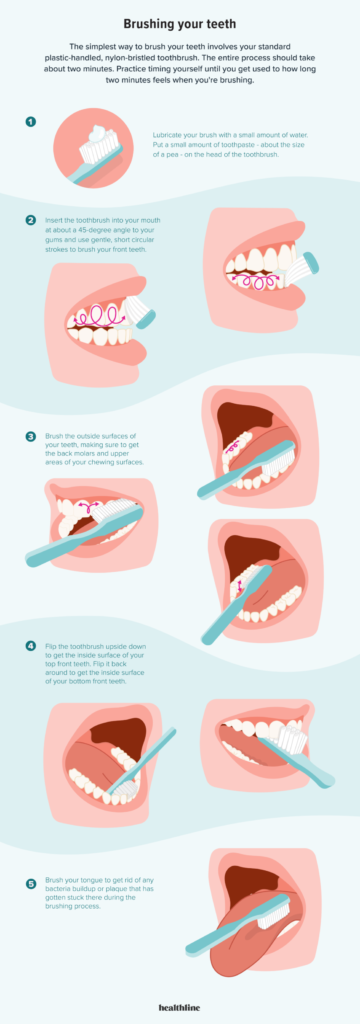
The 5-Step Guide to Brushing Your Teeth
- Pre-brush Preparation: Before you start brushing, make sure your toothbrush is clean and dry.
- Spreading the Love: Apply a pea-sized amount of toothpaste to your brush and spread it evenly across the bristles.
- Brush from the Inside Out: Start brushing from the inside surface of each tooth, working your way outwards in an arc shape.
- Focus on High-Risk Areas: Pay special attention to areas where teeth and gums meet.
- Finishing Touches: Rinse your mouth thoroughly with water or a fluoride mouthwash.
The Power of Flossing
Flossing is an essential part of oral hygiene, as it helps remove food particles and plaque from between teeth where a toothbrush can’t reach. Using dental floss daily can help prevent gum disease and promote healthy gums.
Additional Tips for Healthy Gums
- Use a fluoride mouthwash to strengthen teeth and prevent decay.
- Chew sugar-free gum after meals to stimulate saliva production and neutralize acids.
- Avoid sugary snacks and drinks, which can contribute to tooth decay and erosion.
The Importance of Regular Dental Check-Ups
Regular dental check-ups are crucial for maintaining good oral hygiene. A dentist can identify any potential problems early on, preventing more serious issues from developing. By visiting your dentist regularly, you can:
- Catch cavities before they become painful
- Prevent gum disease and promote healthy gums
- Maintain a healthy smile
Conclusion
Brushing your teeth is an essential part of maintaining good oral hygiene. By understanding the science behind plaque formation and choosing the right tools for the job, you can keep your teeth and gums healthy for years to come.
Remember, a correct brushing technique, combined with regular flossing and check-ups with your dentist, will help ensure that your smile stays bright and beautiful for life!
Frequently Asked Questions
Q: How soon should I wait before brushing my teeth after eating?
A: Research suggests waiting 15-20 minutes after eating may be the optimal solution. However, if you’ve consumed acidic foods, it’s best to wait 30 minutes.
Q: What type of toothbrush is recommended?
A: A toothbrush with medium-sized bristles is recommended.
Q: How often should I floss my teeth?
A: Floss daily to remove food particles and plaque from between teeth.
Q: Can I use a soft-bristled toothbrush?
A: No, soft-bristled toothbrushes may not be effective at removing all food particles effectively.
Q: How do I prevent gum recession and damage to the gingival margin?
A: Brushing from the inside out can help prevent these issues.
Q: What is the best way to clean between teeth?
A: Flossing daily is recommended for maintaining healthy gums.
Common Misconceptions About Oral Hygiene
- Brushing too hard: While brushing is essential, brushing too hard can damage tooth enamel and gums.
- Not flossing enough: Flossing is crucial for removing food particles and plaque from between teeth. Not flossing enough can lead to gum disease and other issues.
- Waiting too long before dental check-ups: Regular dental check-ups are essential for maintaining good oral hygiene. Waiting too long before visiting your dentist can lead to more serious problems.
The Role of Genetics in Oral Hygiene
Genetics play a significant role in determining our risk of developing oral health issues. Some people may be more prone to tooth decay, gum disease, or other issues due to their genetic makeup. By understanding our individual risk factors and taking steps to mitigate them, we can maintain good oral hygiene.
Oral Hygiene and Overall Health
Maintaining good oral hygiene is not just about having a healthy smile; it’s also essential for overall health. Research has shown that there may be links between gum disease and other conditions such as heart disease, diabetes, and respiratory infections.
By maintaining good oral hygiene, we can reduce our risk of developing these conditions and promote overall wellbeing.
Conclusion
Brushing your teeth is an essential part of maintaining good oral hygiene. By understanding the science behind plaque formation and choosing the right tools for the job, you can keep your teeth and gums healthy for years to come.
Remember, a correct brushing technique, combined with regular flossing and check-ups with your dentist, will help ensure that your smile stays bright and beautiful for life!


