
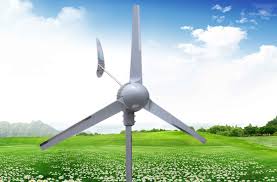
Wind energy, particularly mini and micro turbines, is a growing market in Italy but Assieme is dedicated to promoting their use. On one hand, there is the lack of experience from construction, installation, and maintenance professionals, while on the other side, there are technical issues related to connection and high management costs, especially for microturbines. Alessandro Giubilo, of Assieme, explains their commitment to recovering the significant difference between our country and historically more advanced nations like the UK.
1. When was your association founded and with what purpose?
Assieme was born in June 2011 to promote the use of micro and mini wind turbines, maintaining a balanced relationship between installations and nature, and supporting research and technology development aimed at harnessing wind energy and using energy rationally. Our main activities include gathering, elaborating, and disseminating useful information related to issues associated with micro and mini wind turbine use, and managing relationships with public institutions to represent the needs of our members. We are also committed to fostering cultural and technical exchanges among our members.
2. What are mini and micro wind turbines? In terms of impact on the landscape?
In Italy, we generally define micro turbines as those between 0 and 5 kW in power output, while mini turbines range from 6 to 200 kW with an additional upper limit related to incentives procedures of 60 kW. However, the classification between micro and mini wind turbines is quite generic and lacks international standards for defining these boundaries. There are some guidelines, but they are not universally recognized.
The impact on the landscape of turbines up to 20 kW is almost negligible, similar to classic mechanical aerogenerators used for water pumping in countryside landscapes. For larger machines above 60 kW, the impact is more significant, but still contained compared to large wind turbines over 90 meters tall.
3. How many realities currently affiliate with your association? What has been the trend of the sector over the past 10 years?
Currently, we have 32 affiliated members among constructors, distributors, and EPCs, including a small representation of designers. We expect other contractors to join us in the near future. The market over the last 10 years has been relatively flat and dominated by photovoltaic technology, which offers undeniable advantages in terms of ease of use and simplicity.
Only around 21 MW of turbines have been installed within the 250 kW range, with many of these being connected in the past three years. We aim to connect at least 10-20 MW annually over the next three years to catch up on our progress compared to historically more advanced nations like the UK.
4. What are today’s major challenges associated with using micro and mini wind turbines?
Technical issues are closely tied to the lack of experience from relatively young construction professionals, particularly installers and maintenance personnel who need to gain hands-on experience before fully understanding the machines. If we consider systemic problems, these can be attributed to excessive bureaucracy that is not uniform across regions, a near-total absence of bank credits, technical difficulties with connection, and high management costs, especially for microturbines.
5. What misconceptions and commonplaces need to be dispelled?
Misconceptions are related to the low reliability and production capacity of turbines due to numerous past prototype installations or relatively new products that have not been thoroughly tested. For public institutions, the primary issue is separating the concept of large wind turbines from small ones, which prevents their adoption. Unfortunately, one often encounters individuals who do not understand the difference between a 15-meter machine and an 90-meter one and tend to reject any project bearing the name of eolico.
6. What relationship do you have with public institutions? What requests do you make of them to valorize your sector?
We are among the founding members of the FREE (Fonti Rinnovabili ed Efficienza Energetica) coordination, which aims to interface with the government on behalf of all industry associations, particularly in terms of developing sustainable sources of renewable energy and efficiency measures within a model that supports an environmentally sustainable economic system, decarbonization of the economy, and reduction of climate-altering emissions. We request simplification of bureaucratic procedures and uniformity among different administrative bodies, reduced costs for management of energy meters for machines up to 6 kW, total liberalization of connection under 1 kW, official recognition by the tax authority of the deduction of income tax (IRPEF) even for micro and mini wind turbines, equivalence of fiscal treatment for agricultural enterprises compared to photovoltaic systems, elimination of the ICI for all mini wind turbines, and facilitation of access to grid connection.
7. Why is it necessary to establish a standardization evaluation for mini and micro wind turbines?
It’s essential for guiding clients and investors better. Wind turbines produce electricity based on wind speed; therefore, the first step would be to establish a common velocity threshold for all machines, which would help simplify technical sheets and provide a clear, unified understanding of performance expectations. The second step would involve certifying these machines by third-party entities to ensure they operate as specified under normal conditions. This certification process can also cover safety and durability factors.
However, in markets like ours with limited numbers, this process could significantly impact the cost of purchasing turbines, which in turn affects the final consumer, making it economically unfavorable unless we have products that compete globally, such as some European and American products currently present in Italy.
Conclusion
As Assieme continues to work towards promoting micro and mini wind turbines in harmony with nature, we believe that establishing clear standards will be crucial for unlocking their full potential. By fostering collaboration between industry leaders, policymakers, and consumers, we can overcome the challenges associated with this technology and contribute significantly to Italy’s energy future.
Frequently Asked Questions
-
Q: How can I get involved in Assieme?
A: To join our community, please contact us directly at [insert contact information]. -
Q: What are micro wind turbines used for?
A: Micro wind turbines are used for generating electricity from wind power and can be integrated into residential or agricultural settings. -
Q: Can small wind turbines have a significant impact on the environment?
A: The environmental impact of mini and micro wind turbines is minimal, especially compared to larger turbines. However, proper installation and maintenance practices must be followed to ensure this impact remains negligible. -
Q: What challenges do you foresee for Assieme in terms of growth and development?
A: We anticipate facing competition from photovoltaic technology and the need for investment in research and development to keep up with global standards. -
Q: How can I find a professional to install or maintain my wind turbine?
A: You can start by searching online directories, contacting local trade organizations, or checking with our association for recommendations of experienced professionals.
Recommendations
- Regularly update your knowledge and skills on the latest developments in micro and mini wind turbines.
- Familiarize yourself with Italian regulations and incentives related to renewable energy sources.
- Consider participating in training programs offered by Assieme to improve your understanding of these systems.
- Collaborate with other industry professionals to share best practices and experiences.
Assieme Membership Benefits
By joining our association, you will have access to:
- Regular updates on new technologies, regulations, and market trends
- Networking opportunities with industry experts and policymakers
- Access to exclusive training programs and workshops
- Representation in national forums for micro and mini wind turbines
- Discounts on energy meters, grid connection fees, and other related services
Conclusion
Mini and micro wind turbines have the potential to play a significant role in Italy’s transition towards a more sustainable and environmentally-friendly energy system. By addressing the technical and regulatory challenges associated with these technologies, we can unlock their full potential and contribute to a cleaner, healthier environment for future generations.
As Assieme continues to work tirelessly to promote the use of micro and mini wind turbines, we remain committed to fostering collaboration between industry leaders, policymakers, and consumers. Together, we can create a brighter, more sustainable energy future for Italy and beyond.


