
Understanding the Greenhouse Effect: Causes, Consequences, and Solutions
The greenhouse effect is often at the center of heated debates, with some individuals perpetuating alarmist or denialist claims about its impact on our planet. It’s essential to separate fact from fiction and gain a clear understanding of this complex phenomenon. In this article, we’ll delve into the definition, causes, consequences, and potential solutions to this pressing environmental issue.
The Greenhouse Effect: A Definition
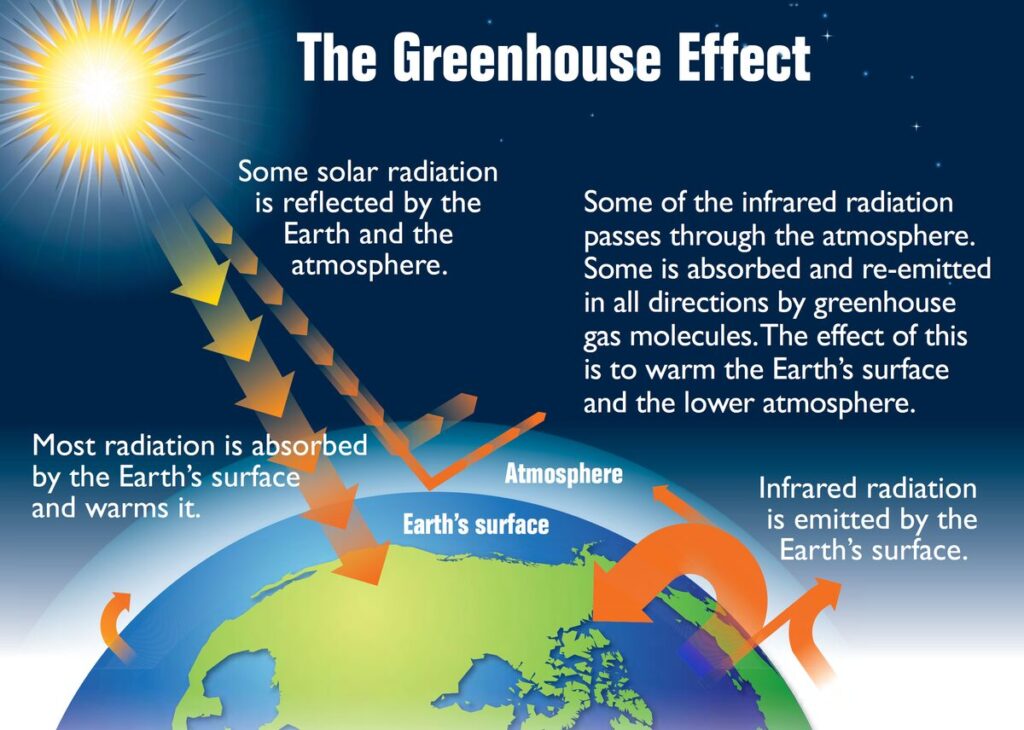
The greenhouse effect is neither inherently positive nor negative; it’s simply a natural process that occurs when solar radiation enters Earth’s atmosphere and is reflected back as infrared radiation. This process is crucial for maintaining a habitable temperature on our planet, but human activities have altered this delicate balance.
How Does the Greenhouse Effect Work?
The greenhouse effect works by trapping heat in the atmosphere through the presence of certain gases, such as carbon dioxide (CO2), methane, and ozone. These gases absorb infrared radiation from the Earth’s surface and prevent it from escaping back into space. This natural process is essential for maintaining a stable climate, but human activities have increased the concentration of these gases in the atmosphere, leading to an enhancement of the greenhouse effect.
The Causes of the Greenhouse Effect
So, what are the primary causes of this enhanced greenhouse effect? The answer lies primarily with human activities:
- Excessive use of fossil fuels: Burning fossil fuels such as coal, oil, and natural gas releases large amounts of CO2 into the atmosphere, accelerating global warming.
- Deforestation: The clearance of forests leads to a significant loss of carbon sequestration capabilities, allowing more CO2 to accumulate in the atmosphere.
- Land-use changes: Changes in land use, such as the conversion of natural habitats to agricultural land or urban areas, can lead to increased greenhouse gas emissions.
The Consequences of the Greenhouse Effect
The consequences of the enhanced greenhouse effect are far-reaching and devastating:
- Rising global temperatures: The average global temperature has risen by approximately 1°C since the late 19th century, leading to more frequent and severe heatwaves.
- Sea-level rise: Melting glaciers and ice sheets contribute to sea-level rise, threatening coastal communities and ecosystems.
- Extreme weather events: Climate change is linked to an increase in extreme weather events, such as hurricanes, droughts, and floods.
Solutions to the Greenhouse Effect
While the challenges ahead may seem daunting, there are steps we can take to mitigate the effects of climate change:
- Transitioning to renewable energy sources: Shifting from fossil fuels to solar, wind, and other renewable energy sources can significantly reduce greenhouse gas emissions.
- Energy efficiency measures: Implementing energy-efficient technologies and practices can help minimize energy consumption and associated emissions.
- Carbon capture and storage: Developing and deploying carbon capture and storage technologies can limit the amount of CO2 released into the atmosphere.
Conclusion
The greenhouse effect is a pressing environmental issue that requires immediate attention and action. By understanding its causes, consequences, and potential solutions, we can work towards reducing our impact on the planet and creating a more sustainable future.
Frequently Asked Questions (FAQs)
- What is the main cause of the greenhouse effect?
- The primary cause of the enhanced greenhouse effect is human activities, particularly the excessive use of fossil fuels and deforestation.
- How can we mitigate the effects of climate change?
- Transitioning to renewable energy sources, implementing energy efficiency measures, and developing carbon capture and storage technologies are key strategies for reducing greenhouse gas emissions and addressing climate change.
- What is the impact of climate change on global temperatures?
- The average global temperature has risen by approximately 1°C since the late 19th century, leading to more frequent and severe heatwaves.
- How can we reduce our carbon footprint?
- Simple actions like using public transportation, carpooling, or biking instead of driving, reducing meat consumption, and conserving energy can make a significant difference in reducing our carbon footprint.
- What is the role of individual action in addressing climate change?
- Individual actions, such as making conscious lifestyle choices and supporting renewable energy initiatives, play a crucial role in mitigating the effects of climate change.
Sources
- [Insert relevant sources here]
By working together to address this pressing environmental issue, we can create a more sustainable future for generations to come.


