
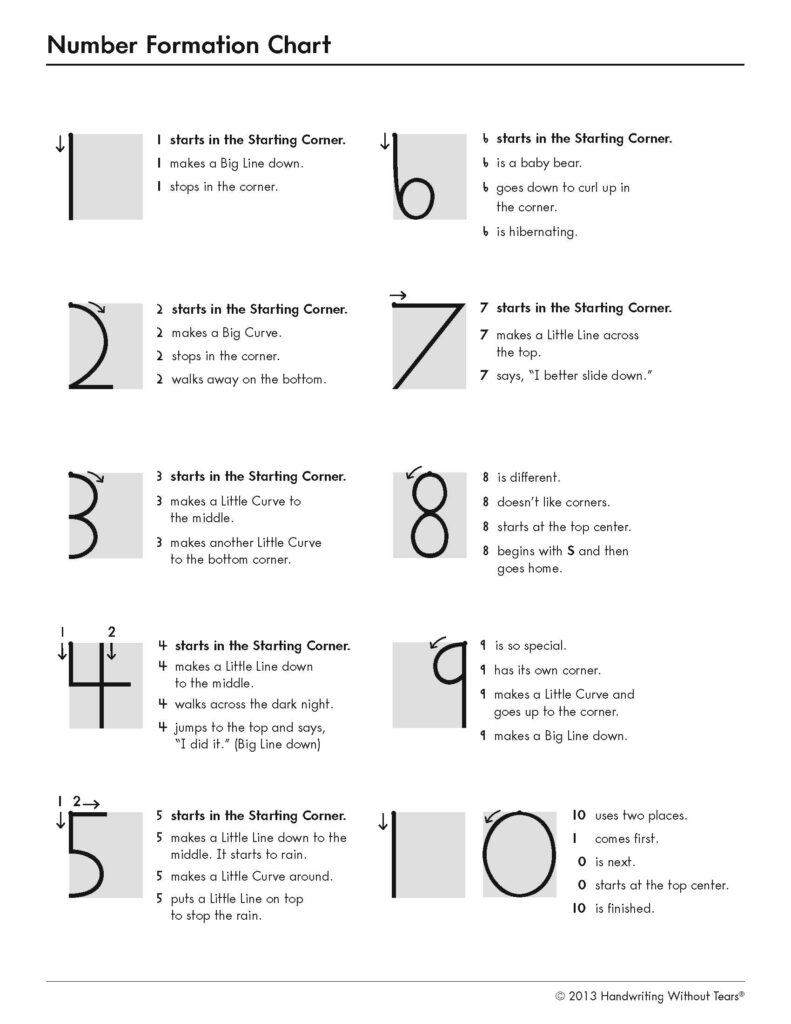
As a child, mathematics can be intimidating. It’s a subject that’s often seen as a chore, and many people, including adults, have a negative association with it. However, teaching numbers to children is an essential part of their development, and with the right approach, it can become a fun and engaging experience.
In this article, we’ll explore some effective methods for teaching numbers to children and how to make mathematics accessible and enjoyable for them. We’ll also discuss some unique materials and games that can help make learning math a breeze.
The Montessori Method
The Montessori method is a popular approach to teaching children about numbers and mathematics. This method emphasizes hands-on learning, concrete objects, and individualized instruction. By using this approach, children can develop a deep understanding of mathematical concepts and build a strong foundation for future math skills.
One key aspect of the Montessori method is the use of concrete materials to help children visualize abstract concepts. For example, using blocks or counting beads can help children understand the relationship between numbers and quantities. This hands-on approach also allows children to explore and learn at their own pace, which is essential for developing a love of learning.
Teaching Numbers with Real-World Applications
When teaching numbers to children, it’s essential to connect them to real-world applications. By showing children how math is used in everyday life, you can make it more meaningful and interesting. For example, counting objects in the classroom or measuring ingredients for a recipe can help children understand the practical value of math.
To take this approach further, consider using real-world examples that are relevant to your child’s interests. For instance, if your child loves music, you could use musical instruments to demonstrate mathematical concepts like rhythm and tempo.
Gaming and Play
Games and play are excellent ways to make learning math fun and engaging for children. By incorporating games into your teaching approach, you can create a positive association with math and encourage children to develop problem-solving skills.
One popular game that’s perfect for teaching numbers is the “Number Line” game. This game involves moving tokens along a number line, practicing counting and basic addition and subtraction concepts. You can also use this game to teach more advanced mathematical concepts like fractions and decimals.
Libraries and Resources
There are many excellent libraries and resources available that can help you teach numbers to children. Some popular options include:
- Math games: There are countless math games available online and in print that can make learning math fun and engaging.
- Math workbooks: Workbooks like “The Math Book” or “Math for Life” offer a comprehensive introduction to various mathematical concepts, including numbers and basic arithmetic operations.
- Online resources: Websites like Khan Academy Kids, PBS Kids, and Math Playground provide a wealth of educational content, games, and activities that can help you teach numbers to children.
Teaching Numbers through Art
Art is an excellent way to make learning math fun and engaging for children. By incorporating art into your teaching approach, you can help children develop their fine motor skills, hand-eye coordination, and creativity while learning mathematical concepts.
For example, you could use paint or colored pencils to create a number line on a piece of paper. Then, have your child count the numbers along the line and practice basic addition and subtraction concepts.
Teaching Numbers through Music
Music is another excellent way to make learning math fun and engaging for children. By incorporating music into your teaching approach, you can help children develop their auditory skills, rhythm, and tempo while learning mathematical concepts.
For example, you could use musical instruments like drums or xylophones to demonstrate mathematical concepts like pattern recognition and sequencing.
Teaching Numbers through Cooking
Cooking is an excellent way to make learning math fun and engaging for children. By incorporating cooking into your teaching approach, you can help children develop their measurement skills, fractions, and decimals while learning mathematical concepts.
For example, you could have your child measure out ingredients for a recipe using cups or grams. Then, have them practice converting between different units of measurement to solve problems.
Conclusion
Teaching numbers to children is an essential part of their development, and with the right approach, it can become a fun and engaging experience. By using concrete materials, real-world examples, games, and hands-on activities, you can create a positive association with math and encourage children to develop problem-solving skills.
Don’t be afraid to get creative and try new approaches – the most important thing is to make learning math enjoyable and accessible for your child.
Frequently Asked Questions
Q: How do I teach numbers to my child?
A: To teach numbers to your child, start by using concrete materials like blocks or counting beads. Then, gradually introduce real-world examples that demonstrate the practical value of math. Incorporate games and play to make learning math fun and engaging.
Q: What is the Montessori method, and how does it work?
A: The Montessori method is an approach to teaching children about numbers and mathematics. It emphasizes hands-on learning, concrete objects, and individualized instruction. By using this approach, children can develop a deep understanding of mathematical concepts and build a strong foundation for future math skills.
Q: How do I make learning math enjoyable for my child?
A: To make learning math enjoyable for your child, incorporate games, real-world examples, hands-on activities, and materials like blocks or counting beads into your teaching approach. Use art, music, cooking, or other creative methods to make learning math fun and engaging.
Q: What are some effective ways to teach numbers to children?
A: Effective ways to teach numbers to children include using concrete materials, real-world examples, games, hands-on activities, and materials like blocks or counting beads. Consider incorporating technology, like online resources or math apps, to make learning math more engaging and accessible.
Q: How long does it take for my child to learn numbers?
A: The time it takes for your child to learn numbers depends on their individual development and the approach you use to teach them. With consistent practice and patience, most children can develop a solid understanding of mathematical concepts in a relatively short period of time.
Q: What are some common mistakes parents make when teaching numbers to children?
A: Common mistakes parents make when teaching numbers to children include:
- Not using concrete materials to help children visualize abstract concepts
- Failing to incorporate games and play into the learning process
- Being too rigid or inflexible in their teaching approach
- Not providing enough practice or reinforcement
By avoiding these common mistakes, you can create a positive learning environment that encourages your child to develop a strong foundation in mathematics.


