
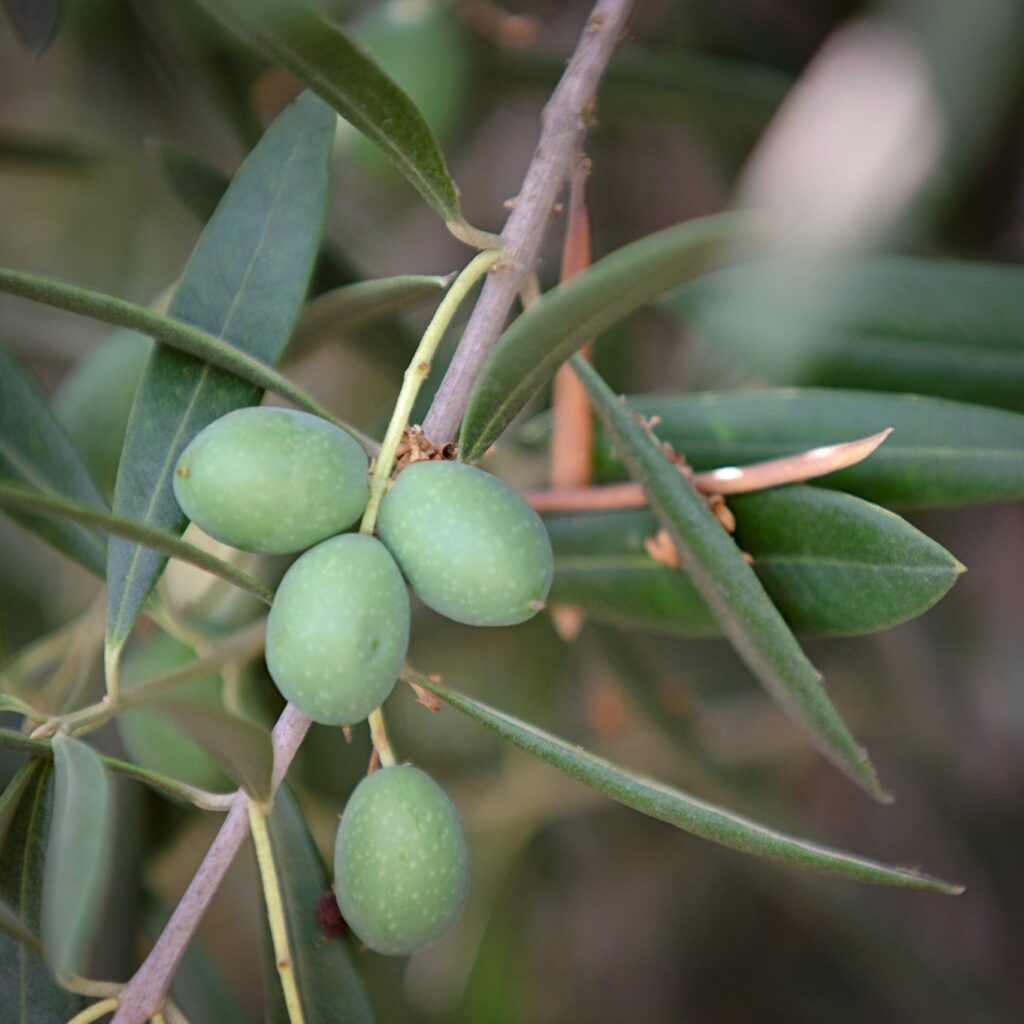
The Olive Fly, Remedies and Treatments: A Comprehensive Guide to Preventing Infestations and Damages in Olive Crops
As we have discussed before, the olive fly species Bactrocera oleae can cause detrimental effects on olive cultivation, leading to poor harvests; in this article, we will delve deeper into how to combat the olive fly and what are the first signs of alarm to spot in order to start an appropriate treatment.
Recognizing Early Signs of Olive Fly Infestation
When the fruit appears, pay close attention to tiny “black dots.” It’s not uncommon for olive growers to notice small black spots, starting from September, which gradually cover the entire fruit and cause it to fall off. The olive fly can cause significant damage to the harvest, even compromising the fruits that result in dry, worm-filled products, which are actually the same larvae of the fly.
The presence of these tiny dots is a clear indication of an infestation, as they are a sign of the eggs laid by female olive flies on the surface of the olives. The olive fly can cause significant damage to the harvest, even compromising the fruits that result in dry, worm-filled products, which are actually the same larvae of the fly.
Understanding Olive Fly Damage
The damage to the harvest is both quantitative and qualitative. The loss of pulp results in a reduced oil production, while the fly also causes qualitative damage as it alters the main analytical and sensory parameters of the oil within the fruit itself. This means that the resulting product has limited quality and quantity.
In addition, olive fly infestations can lead to economic losses for farmers, as the damaged olives may not be suitable for processing or consumption. The loss of pulp also results in a reduced oil production, which is an essential component of the olive industry.
Olive Fly Temperature Sensitivity
The olive fly species Bactrocera oleae is the primary parasite of olives widespread in all areas of Italy, with higher concentrations in coastal regions and/or less elevated inland areas. The olive fly tends to spread more when summer temperatures are cool and humid, followed by autumns and winters that are unusually mild.
In recent years, there has been a noticeable increase in the incidence of olive fly infestations in Italy, particularly in coastal regions and less elevated inland areas. This trend is likely linked to the increasing frequency of warm autumns and mild winters, which create an ideal environment for the olive fly’s survival and reproduction.
How to Eliminate Olive Flies
The fight against olive flies differs according to cultivation type: conventional or organic. For those who prefer natural remedies and organic farming, preventive measures are taken with attractive sex pheromones or toxic substances that act as pesticides. This way, the adult fly is eliminated before egg-laying.
In addition to using sex pheromones or toxic substances, farmers can also use traps to eliminate olive flies from their fields. Here are some of the most effective traps for olive fly elimination:
- TAP-TRAP: a trap shown in the picture above, prepared with an attractive substance (such as pheromones or protein-rich baits like raw fish).
- Yellow sticky traps: these traps use a yellow color that is highly visible to olive flies, making it easier for them to get trapped.
- Ultraviolet light traps: these traps use ultraviolet light that is attractive to olive flies, causing them to fly towards the trap and become stuck.
Organic Methods of Olive Fly Control
In organic cultivation, the fight against olive flies is preventive and involves using sex pheromones or toxic substances to repel adult flies. In addition, it’s recommended to take action as soon as possible during years with high risk of infestation (years characterized by cool summers and mild previous autumns).
Organic farmers can use a variety of methods to control olive fly infestations, including:
- Using sex pheromones: these pheromones are attractive to male olive flies, causing them to become trapped in the field.
- Using toxic substances: these substances act as pesticides and can be used to kill adult olive flies before they lay eggs on the surface of the olives.
- Planting trap crops: certain plants, such as marigolds and nasturtiums, are known to repel olive flies, making them an effective addition to organic farming practices.
Conventional Methods for Olive Fly Control
In conventional cultivation, the fight against olive flies is curative and involves using insecticides that penetrate and circulate within the fruit. These insecticides are able to target every form of fly capable of damaging the olive tree, from eggs to larvae at any stage.
Conventional farmers can use a variety of methods to control olive fly infestations, including:
- Using insecticidal soap: this is a gentle pesticide that is effective against olive flies and other pests.
- Using pyrethroids: these are synthetic pesticides that are similar in structure to the natural compounds found in certain plants, such as chrysanthemum flowers. Pyrethroids are highly toxic to olive flies and can be used to control infestations.
Conclusion
The olive fly is a major pest of olives that can cause significant damage to crops. To prevent infestations and control the spread of the olive fly, it’s essential to understand its behavior, recognize early signs of infestation, and take preventive measures.
By using sex pheromones or toxic substances, farmers can eliminate adult flies before they lay eggs on the surface of the olives. Traps can also be used to capture olive flies in their fields, reducing the risk of infestations.
In addition to conventional methods, organic farming practices such as planting trap crops and using insecticidal soap can help control olive fly infestations.
Overall, a combination of preventive measures and effective traps can help farmers protect their olive crops from the damaging effects of the olive fly.


