
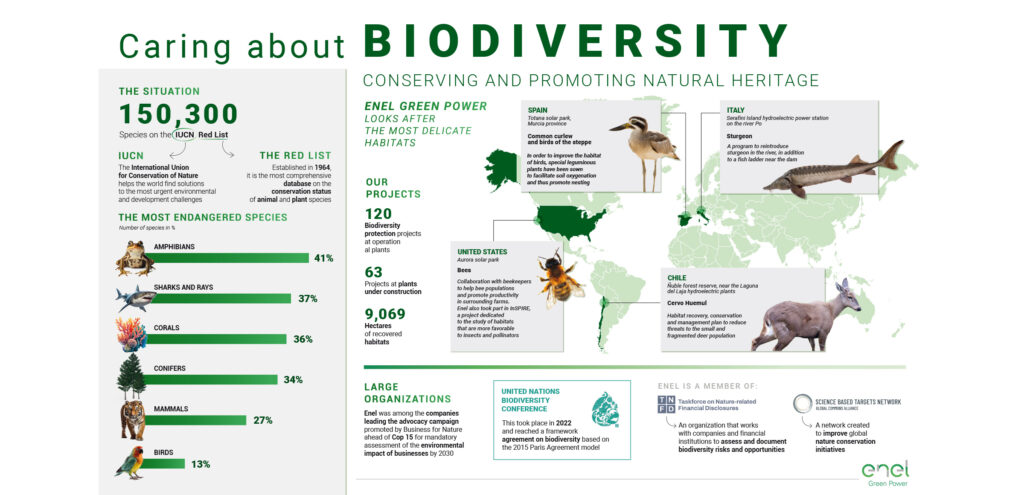
Understanding Biodiversity and How to Protect It
When we talk about the environment, we often mention the concept of biodiversity. However, despite its widespread use, many people do not fully understand what it means. In this article, we will delve into the meaning of biodiversity and explore why it is essential for our planet’s survival.
What is Biodiversity?
According to the World Wide Fund for Nature (WWF), biodiversity refers to “the great variety of animals, plants, fungi, and microorganisms that make up our planet. A multitude of species and organisms working together create a fundamental balance for life on Earth.” In other words, biodiversity is essential for maintaining the delicate balance of ecosystems.
Biodiversity encompasses various types of species and their interactions within ecosystems. It includes:
- Species diversity: The variety of different species present in an ecosystem.
- Genetic diversity: The range of genetic traits found within a population or species.
- Ecosystem services: The benefits provided by healthy ecosystems, such as clean air and water, soil formation, and climate regulation.
Why is Biodiversity Important?
Biodiversity plays a crucial role in providing us with essential resources such as food, clean water, and energy. It also contributes to the health and well-being of humans. Losing biodiversity can have severe consequences, including:
- Increased natural disasters: Ecosystems that are rich in biodiversity are more resilient to extreme weather events.
- Food insecurity: Many crops rely on pollinators like bees and butterflies to reproduce.
- Negative impacts on human health: Biodiverse ecosystems provide essential medicines and protect us from diseases.
The Threats Facing Biodiversity
Human activity is the primary driver of biodiversity loss. We have over-exploited natural resources, leading to pollution, deforestation, climate change, and habitat destruction. These factors are interconnected and have devastating effects on ecosystems.
- Overfishing: The depletion of fish populations can lead to economic losses for communities that depend on fishing.
- Deforestation: The clearance of forests can result in soil erosion and loss of ecosystem services.
- Climate change: Rising temperatures can alter species distribution, leading to extinctions and disruptions to food webs.
How Can We Protect Biodiversity?
Fortunately, every individual can contribute to protecting biodiversity by making simple changes in their daily lives. Here are some practical tips:
Sustainable Food Choices
Choosing sustainable food options is a great way to reduce your environmental impact. Opt for organic produce, buy locally sourced products, and reduce meat consumption.
- Organic farming: Organic farming methods avoid synthetic pesticides and fertilizers.
- Locally sourced products: Buying local products reduces transportation-related emissions.
- Reducing meat consumption: Meat production is a significant contributor to greenhouse gas emissions.
Reducing Carbon Footprint
One of the main drivers of climate change is carbon emissions. Reduce your carbon footprint by using public transport, carpooling, or driving electric vehicles.
- Public transport: Using public transport reduces emissions from fossil fuels.
- Carpooling: Carpooling with colleagues or friends can reduce emissions from personal vehicles.
- Electric vehicles: Switching to electric vehicles can significantly reduce emissions.
Water Conservation
Conserving water is essential for maintaining healthy ecosystems. Take shorter showers, fix leaks, and install low-flow fixtures to reduce waste.
- Shorter showers: Taking shorter showers reduces water usage.
- Fixing leaks: Fixing leaks promptly prevents wasted water.
- Low-flow fixtures: Installing low-flow fixtures reduces water consumption.
Composting
Composting food waste reduces the amount of organic matter sent to landfills, where it can produce methane, a potent greenhouse gas.
- Food waste: Composting food waste reduces waste sent to landfills.
- Methane reduction: Composting food waste reduces methane production in landfills.
Reducing Waste
Reduce your consumption of single-use plastics and paper products. Opt for reusable bags, containers, and water bottles instead.
- Single-use plastics: Reducing single-use plastics minimizes plastic pollution.
- Reusable alternatives: Using reusable alternatives replaces disposable products.
- Paper products: Reducing paper usage conserves trees and reduces waste.
Preserving Bees
Bees play a vital role in pollination. Preserving bee habitats by planting bee-friendly flowers and reducing pesticide use can help maintain healthy ecosystems.
- Bee-friendly flowers: Planting bee-friendly flowers supports local bee populations.
- Pesticide reduction: Reducing pesticide use protects bees from harm.
Other Actions to Protect Biodiversity
- Move sustainably: Choose public transport, walk, or bike whenever possible.
- Avoid fast fashion: Opt for second-hand clothing and buy sustainable clothing from environmentally responsible brands.
- Buy fair trade products: Support small-scale farmers by purchasing fair trade products.
Examples of Biodiversity
Every species, regardless of its size, plays a unique role in maintaining the balance of ecosystems. From tiny microorganisms to massive trees, each species contributes to the complex web of life.
Some examples of biodiversity include:
- Agro-biodiversity: The variety of plant and animal species used in agriculture.
- Forest biodiversity: The diversity of tree species, animals, and microorganisms found in forests.
- Culinary biodiversity: The variety of crops grown for human consumption.
Conclusion
Biodiversity is essential for maintaining the health of our planet. By making simple changes to our daily lives, we can help protect this precious resource. Remember, every small action counts, and collective efforts can lead to significant positive change.
Frequently Asked Questions (FAQs)
- What is biodiversity?
- Why is biodiversity important?
- How can we protect biodiversity?
- What are some simple actions I can take to help protect biodiversity?
- Can individual actions make a difference in protecting biodiversity?
- How can I reduce my carbon footprint and contribute to biodiversity protection?
- What role do bees play in pollination, and how can we help preserve them?
- Are there any specific products or materials that are more sustainable than others?


