
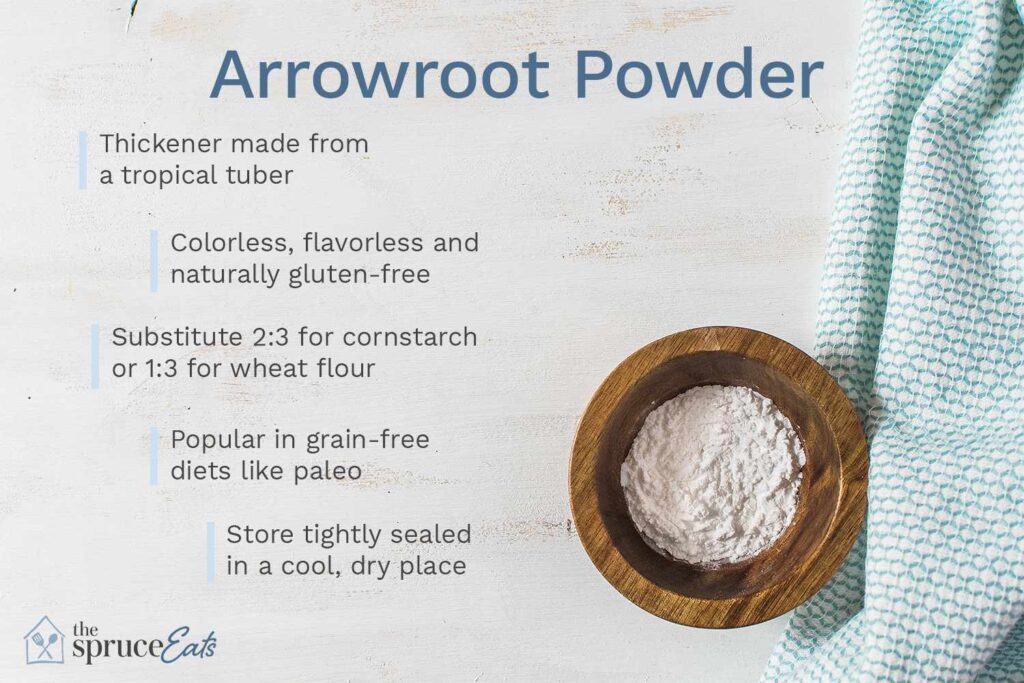
As the world becomes increasingly aware of the importance of maintaining a gluten-free diet, natural alternatives like maranta fecola have emerged as promising solutions. This article aims to provide an in-depth look at what maranta fecola is, its uses, benefits, and potential drawbacks.
What is Maranta Fecola?
To understand the significance of maranta fecola, we need to start with a brief description of the maranta plant itself. Native to South America, maranta is a tropical perennial with distinctive variegated foliage and a unique tuberous root system. The maranta species that yields the fecola, Maranta arundinacea, is a popular choice for its edible properties.
Why Use Maranta Fecola?
Maranta fecola has gained popularity in recent years due to its versatility and gluten-free benefits. It can be used as an additive or substitute in various recipes, including baked goods, desserts, sauces, and beverages. The most notable applications of maranta fecola include:
- Baked Goods: Maranta fecola can replace traditional wheat flour in baked goods, providing a similar texture and structure while being gluten-free.
- Desserts: Fecola can be used to create delicious desserts like cakes, cookies, and pastries with minimal gluten exposure.
- Sauces and Vellutates: The natural thickening properties of maranta fecola make it an excellent addition to sauces and vellutates for both sweet and savory dishes.
Benefits for Gluten-Free Diets
One of the primary reasons maranta fecola has become a staple in gluten-free diets is its ability to cater to those with celiac disease or intolerance. As it does not contain glutens, maranta fecola provides an excellent alternative for individuals who need to avoid gluten.
The Cost of Maranta Fecola
While some might consider the price of maranta fecola prohibitively expensive, the benefits and versatility make it a worthwhile investment. A 1-pound bag can cost anywhere from $30 to $40, depending on the quality and brand. However, with its ability to thicken over 2 liters of water using just a teaspoon, maranta fecola proves to be a valuable addition to any kitchen.
Maranta Fecola vs. Amido di Mais
Some might wonder if amido di mais (maize starch) is a suitable alternative to maranta fecola. While both have similar properties, there are key differences that make one more desirable than the other:
- Temperature and Digestibility: Maranta fecola thickens at lower temperatures and is easier to digest compared to maize starch.
- Glycemic Index: The glycemic index of maranta fecola is significantly lower than that of amido di mais, making it a better choice for those with dietary restrictions.
Potential Drawbacks of Using Maranta Fecola
While maranta fecola has gained popularity due to its gluten-free benefits and versatility, there are potential drawbacks to consider:
- Limited Availability: Maranta fecola is not as widely available as other ingredients, making it more difficult for some individuals to access.
- High Cost: The cost of maranta fecola can be prohibitively expensive for some individuals, especially when compared to traditional gluten-containing flours.
Conclusion
As the world becomes increasingly health-conscious, natural alternatives like maranta fecola are gaining popularity. With its versatility, gluten-free benefits, and potential to replace traditional wheat flour in baked goods, maranta fecola is an excellent addition to any kitchen. While some may find it expensive, the benefits and results make it a worthwhile investment for those looking to maintain a balanced diet.
Frequently Asked Questions
- What is the healthiest choice between maranta fecola and amido di mais?
- Maranta fecola is generally considered healthier due to its lower glycemic index and improved digestibility.
- How do I incorporate maranta fecola into my recipes?
- Start by substituting a small amount of traditional flour with maranta fecola in your favorite baked goods or desserts.
- What are the potential drawbacks of using maranta fecola?
- Potential drawbacks include its high cost, limited availability, and potential for cross-contamination during processing.
- Can I use maranta fecola as a substitute for other thickening agents?
- Yes, maranta fecola can be used as an alternative to cornstarch or tapioca flour in recipes.
- Is it safe for individuals with celiac disease to consume maranta fecola?
- Yes, maranta fecola is naturally gluten-free and safe for individuals with celiac disease or intolerance.
- How do I store maranta fecola to maintain its quality?
- Store maranta fecola in a cool, dry place to preserve its natural properties and shelf life.
- Can I use maranta fecola as an ingredient in savory dishes?
- Yes, maranta fecola can be used to add thickness and texture to sauces, vellutates, and other savory dishes.
Tips for Cooking with Maranta Fecola
Cooking with maranta fecola requires some finesse. Here are a few tips to keep in mind:
- Start with small amounts: When substituting maranta fecola for traditional flour, start with small amounts to avoid overpowering the dish.
- Adjust seasoning accordingly: As maranta fecola can absorb flavors and moisture, adjust seasoning accordingly to achieve the desired taste.
- Be patient when thickening: Maranta fecola can thicken at different rates than other ingredients. Be patient and monitor the consistency to ensure it reaches the desired thickness.
By understanding the benefits and potential drawbacks of maranta fecola, individuals with gluten intolerance or sensitivity can make informed decisions about incorporating this natural alternative into their diets. With its versatility, gluten-free properties, and ability to replace traditional wheat flour in baked goods, maranta fecola is an excellent addition to any kitchen.


