
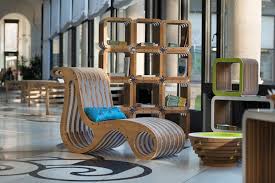
The world of sustainable design has come a long way since its inception. From humble beginnings to becoming a mainstream phenomenon, Lessmore and Giorgio Caporaso’s innovative approach to design has left an indelible mark on the industry. In this article, we’ll delve into the fascinating story behind Lessmore, explore their unique approach to sustainable design, and examine what the future holds for this revolutionary brand.
The Genesis of Lessmore: A Desire for Sustainability
The concept of sustainable design in Lessmore has been around for quite some time. Giorgio Caporaso’s passion for sustainability and natural materials led him to develop projects and prototypes that “announced” the birth of the brand. For Caporaso, it wasn’t just about creating a product; it was about fostering a creative, project-based, and ethical approach to design.
The Philosophy Behind Sustainable Design
In every field of work, sustainability is no longer a nice-to-have, but a necessity. As we continue to face environmental challenges, it’s essential to review production in terms of sustainability, future, and environmental respect. Lessmore’s sustainable design products embody this philosophy, not just through eco-friendly materials but also through innovative production methods.
The Key Characteristics of Lessmore’s Sustainable Design Products
Lessmore’s product line is characterized by several key features that set them apart from traditional furniture:
- Transformability: Each piece can be transformed to suit new needs and purposes.
- Modularity: Components can be easily assembled, disassembled, and reconfigured to create a new product.
- Composibility: The design allows for the addition or removal of components, making it easy to adapt to changing needs.
- Personalization: Each piece can be customized with specific profiles and coverings to match individual tastes and styles.
The Role of Materials in Sustainable Design
Cardboard is at the forefront of Lessmore’s production. Recycled, recyclable, and biodegradable, it embodies the principles of sustainability. However, the challenge lies not just in using cardboard as a material but also valuing its unique characteristics to create elegant and sophisticated objects.
Innovative Materials and Production Methods
Lessmore’s approach extends beyond materials to production methods as well. The “More” module features an almost zero-waste production process, where elements are reused as functional parts within the furniture system. This attention to detail demonstrates a commitment to sustainability that sets Lessmore apart from other brands.
Target Market: Who is Interested in Sustainable Design?
Lessmore’s target market includes companies and individuals who prioritize sustainability but need concrete examples of how it can be applied in design. From retail stores and hotels to restaurants and reception areas, the demand for sustainable design products is on the rise.
Challenges and Opportunities
While Lessmore has received positive feedback from clients, there are still challenges to overcome. Expanding distribution circuits and making products more visible are key areas of focus. By emphasizing the benefits of sustainable design, such as functionality, aesthetics, and sensory experience, Lessmore can capitalize on this growing interest.
The Future of Sustainable Design
As concern for environmental issues continues to grow, sustainable design is becoming increasingly mainstream. Lessmore’s innovative approach has sparked a shift towards more thoughtful design practices. By embracing the principles of sustainability, we can create products that not only reduce waste but also promote a sense of well-being and community.
Case Studies: Successful Implementations of Sustainable Design
Several companies have successfully implemented sustainable design principles in their operations:
- IKEA’s Sustainable Supply Chain: IKEA has made significant strides in reducing its environmental impact by implementing sustainable supply chain practices, including using renewable energy sources and sourcing materials from certified suppliers.
- Patagonia’s Environmental Responsibility: Patagonia has prioritized environmental responsibility in its design process, using recycled materials, reducing waste, and promoting fair labor practices.
Frequently Asked Questions
- What inspired Giorgio Caporaso to develop sustainable design products?
- A desire for sustainability and natural materials led him to develop projects and prototypes that “announced” the birth of Lessmore.
- How does cardboard play a role in Lessmore’s production process?
- Cardboard is a key material, providing a low environmental impact through recycled, recyclable, and biodegradable properties.
- What sets Lessmore apart from other sustainable design products?
- The unique combination of transformability, modularity, composibility, and personalization make Lessmore’s products truly innovative.
- Who is the target market for Lessmore’s sustainable design products?
- Companies and individuals who prioritize sustainability but need concrete examples of how it can be applied in design are key targets for Lessmore’s products.
- What challenges does Lessmore face in terms of distribution and visibility?
- Expanding distribution circuits and making products more visible are areas where Lessmore is focusing its efforts to capitalize on the growing interest in sustainable design.
By embracing the principles of sustainability, we can create products that not only reduce waste but also promote a sense of well-being and community. As Lessmore continues to innovate and push the boundaries of sustainable design, it’s clear that this revolutionary brand will play a significant role in shaping the future of our industry.


