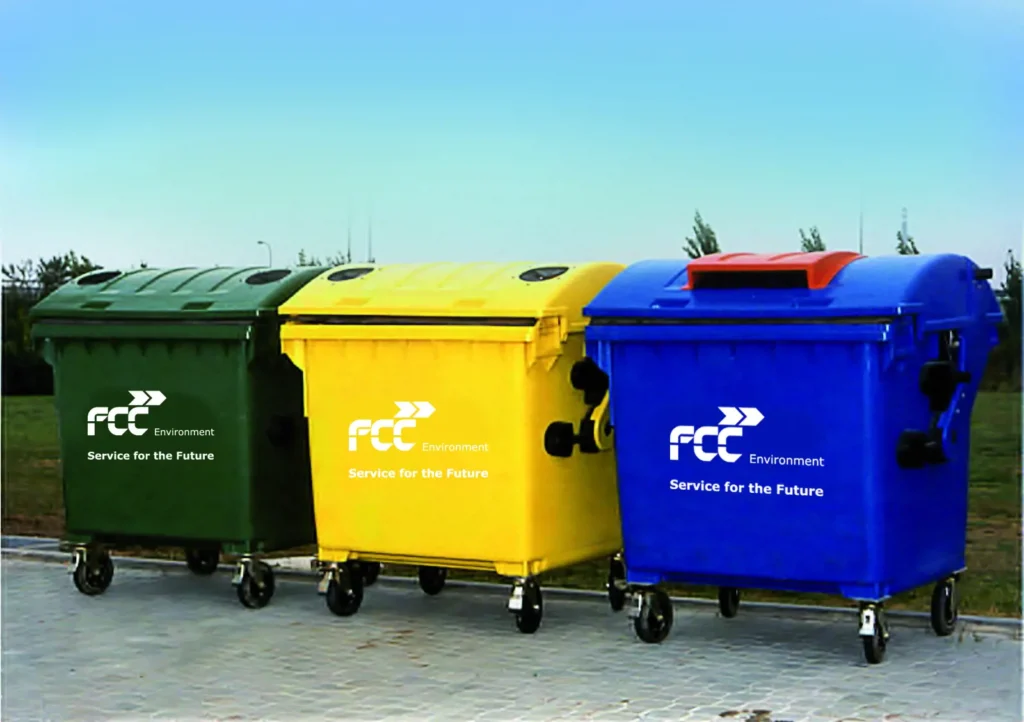
Understanding the Importance of Differentiated Waste Collection
In today’s world, where sustainability and environmental conservation are paramount, collecting differentiated waste has become an essential practice. But how does this simple action make a significant impact on our environment? In this article, we’ll delve into the world of differentiated waste collection, exploring its benefits, and the remarkable results that can be achieved when done correctly.
A Concrete Example: Hera Group’s Research
One such example is the research conducted by Hera Group, a leading company in solid urban waste disposal. Their detailed report highlights the impressive recovery rates of materials collected through differentiated waste collection. According to their findings, an astonishing 93% of the items we differentiate are recovered.
This study provides valuable insights into the effectiveness of differentiated waste collection and serves as a model for other communities to follow. By examining the types and quantities of materials recovered, Hera Group’s research demonstrates the significant impact that this practice can have on reducing waste in landfills and incinerators.
What Materials Are Being Recovered?
So, what exactly are these materials that are being recovered from the differentiated waste collection? Hera Group’s research provides a comprehensive breakdown of the types and quantities of materials recycled. They reveal that:
• Paper: 62.5 kg per inhabitant
• Green Waste: 69.5 kg per inhabitant
• Plastic: 22.8 kg per inhabitant
• Glass: 30.5 kg per inhabitant
• Metals: 1.5 kg per inhabitant
• Wood: 21.6 kg per inhabitant
• Organic Material: 44.8 kg per inhabitant
These figures illustrate the diversity of materials being recovered and highlight the importance of differentiated waste collection in reducing waste in landfills and incinerators.
A Breakdown of the Recycling Process
The report provides a detailed explanation of how the collected waste is recycled, from sorting and processing to reuse in various industries. This transparency is essential for ensuring that materials are being recovered efficiently and effectively.
Hera Group’s research showcases the intricate process involved in recycling differentiated waste, from the initial collection stage to the final product. By understanding this process, we can appreciate the complexity of waste management and the importance of implementing effective solutions.
Reducing Waste in Landfills and Incinerators
Differentiated waste collection significantly reduces the amount of waste sent to landfills or incinerators. By recovering materials and reusing them, we can minimize the environmental impact of waste disposal. Hera Group’s research demonstrates that this practice not only saves resources but also helps to conserve landfill space.
The reduction in waste sent to landfills has a profound impact on the environment, as it decreases the amount of greenhouse gas emissions associated with decomposition and waste management. Furthermore, by conserving landfill space, we can prevent the release of toxic substances into the environment, ensuring a healthier ecosystem for future generations.
A Country-Wide Approach: Benefits for a Sustainable Future
The transparent approach adopted by Hera Group is just one example of how differentiated waste collection can benefit entire communities. By promoting recycling and reducing waste, we can create a more sustainable future for generations to come.
This country-wide approach encourages the development of sustainable practices and promotes education about the importance of differentiated waste collection. By working together, communities can develop effective solutions to reduce waste and promote environmental conservation.
Conclusion: Turning Trash into Treasure
In conclusion, the practice of differentiated waste collection is not only important but also essential for creating a more sustainable world. By recovering materials and reusing them, we can reduce waste in landfills and incinerators, conserve resources, and promote recycling. Hera Group’s research serves as a concrete example of the benefits that can be achieved through this simple yet powerful practice.
Frequently Asked Questions
- Q: What is differentiated waste collection?
A: Differentiated waste collection refers to the separation of household waste into different categories based on their type, material, and potential for reuse or recycling. - Q: How much waste is recovered through differentiated collection?
A: According to Hera Group’s research, an impressive 93% of collected waste is recovered. - Q: What types of materials are most commonly recycled?
A: The report highlights the recovery of paper (62.5 kg per inhabitant), green waste (69.5 kg per inhabitant), and plastic (22.8 kg per inhabitant). - Q: Why is differentiated waste collection important for sustainability?
A: By reducing waste in landfills and incinerators, promoting recycling, and conserving resources, we can create a more sustainable future. - Q: How does Hera Group’s research contribute to the understanding of differentiated waste collection?
A: The report provides a detailed breakdown of waste recovery rates and types, shedding light on the effectiveness of this practice. - Q: Can differentiated waste collection be applied to urban areas with limited resources?
A: Yes, by implementing simple practices like separating recyclables from non-recyclable materials, communities can significantly reduce their environmental impact. - Q: What role does education play in promoting differentiated waste collection?
A: Education and awareness are crucial in promoting the importance of differentiated waste collection and encouraging individuals to participate in this practice. - Q: How can governments support differentiated waste collection initiatives?
A: Governments can provide incentives, invest in waste management infrastructure, and educate citizens about the benefits of differentiated waste collection.
Case Study: Implementing Differentiated Waste Collection in a Small Town
In 2010, the small town of Berlin implemented a differentiated waste collection system. The initiative involved separating recyclables from non-recyclable materials and implementing a curbside collection program for paper, plastic, glass, and metal.
The results were remarkable, with a significant increase in recycling rates and a decrease in waste sent to landfills. By educating citizens about the importance of differentiated waste collection, the town was able to promote sustainable practices and reduce its environmental impact.
Best Practices for Implementing Differentiated Waste Collection
- Education and Awareness: Educate citizens about the importance of differentiated waste collection and provide guidelines on how to properly sort materials.
- Curbside Collection: Implement a curbside collection program for recyclables, making it easy for citizens to participate in the recycling process.
- Community Engagement: Encourage community engagement by organizing workshops, events, and campaigns to promote sustainable practices.
- Infrastructure Development: Invest in waste management infrastructure, including sorting facilities, composting systems, and energy-from-waste plants.
- Policy Implementation: Develop policies that support differentiated waste collection, such as waste reduction targets, recycling quotas, and landfill bans.
Conclusion: A Brighter Future for Differentiated Waste Collection
In conclusion, the practice of differentiated waste collection is a crucial step towards creating a more sustainable world. By recovering materials and reusing them, we can reduce waste in landfills and incinerators, conserve resources, and promote recycling. Hera Group’s research serves as a model for other communities to follow, highlighting the importance of education, infrastructure development, and community engagement.
As we continue to navigate the challenges of sustainable waste management, it is essential that we prioritize differentiated waste collection. By working together, we can create a brighter future for our planet and ensure a healthier environment for generations to come.