
Introduction
The coconut is a beloved summer symbol. Refreshing and nutritious, it’s one of the most coveted foods of the season. However, there’s a major problem: how to open it? And, more importantly, how to do it safely using the tools we already have at home?
For many people, coconuts can seem like an intimidating food due to their hard shells and mysterious contents. But with a little knowledge and practice, you’ll be able to unlock the secrets of the coconut and enjoy its many benefits.
In this comprehensive guide, we’ll take you through the process of opening and enjoying coconuts, from extracting water to releasing delicious coconut meat. Whether you’re a seasoned foodie or just starting to explore the world of coconuts, this article will provide you with all the necessary information and tips to help you make the most out of this versatile fruit.
Table of Contents
- What is Coconut?
- How to Extract Water from a Coconut
- How to Release Coconut Meat from Shells
- How to Eat Coconut
What is Coconut?
Before we dive into opening coconuts, let’s first understand what they are and why we should get to know them better.
Coconut is a rich source of vitamins and nutrients, with coconut water being one of the most popular beverages among women and men alike. Not only is it incredibly refreshing and thirst-quenching, but it also has numerous health benefits. Coconut water is rich in electrolytes, which can help replenish fluids after exercise or in hot weather.
Coconut meat, on the other hand, is a great source of healthy fats, protein, and fiber. It’s perfect for baking, cooking, or even grating over salads for a burst of tropical flavor.
However, buying pre-shredded coconut can be expensive, and this often discourages people from trying it. Luckily, you can create your own fresh coconut water at home using a simple recipe that will not only save you money but also allow you to enjoy the full potential of coconut.
How to Extract Water from a Coconut
To begin, let’s learn how to extract water from a coconut. This process may seem daunting at first, but it’s actually quite straightforward once you understand the basics.
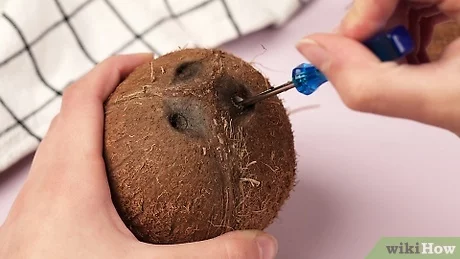
The first step is to identify the three “eyes” located at the top of the coconut’s stem. These eyes are soft and spongy, while the rest of the shell is hard and brittle.
Next, use a screwdriver to test which one of the eyes is softest, as not all three will be equally firm. After identifying the softest eye, carefully poke a hole in it using a sharp object, like a skewer or a metal probe.
Once you’ve successfully pierced the first eye, place the coconut in a bowl and gently shake it back and forth to dislodge any remaining liquid from inside. This simple step will ensure that your coconut water is crystal clear and free of any impurities.
Tips for Extracting Coconut Water
- Make sure to choose a fresh coconut with three firm eyes.
- Use a sharp object to poke the hole, as this will help prevent crushing the coconut or damaging the shell.
- Shake the coconut gently but firmly to dislodge any remaining liquid from inside.
- Drink your coconut water immediately after extraction for optimal freshness.
How to Release Coconut Meat from Shells
The next step is to remove the coconut meat from its shell. This might seem like a complicated process, but with a few simple tricks, you can easily achieve it without risking injury.
Preheat your oven to 400°F (200°C). Place the coconut on a baking sheet lined with parchment paper and bake for 20 minutes or until the outer shell starts to crack open.
Remove the coconut from the oven and let it cool down slightly. Then, wrap it in a clean cloth or towel and gently pound it using a rolling pin or a meat mallet until it breaks open naturally.
Use a spoon to separate the coconut meat from its shell, making sure to extract every last bit of deliciousness.
Tips for Releasing Coconut Meat
- Make sure to preheat your oven before baking the coconut.
- Wrap the coconut in a clean cloth or towel before pounding it to prevent damage to the shell.
- Use a rolling pin or meat mallet to gently pound the coconut, as this will help prevent crushing the coconut or damaging the shell.
- Separate the coconut meat from its shell using a spoon, making sure to extract every last bit of deliciousness.
How to Eat Coconut
Now that you have access to both fresh coconut water and meat, the possibilities are endless! The coconut water is incredibly refreshing and can be consumed on its own or added to various beverages for an extra boost of nutrition.
As for the coconut meat, it’s perfect for baking, cooking, or even grating over salads for a burst of tropical flavor. Whether you choose to enjoy your coconut in its purest form or add it to various dishes, rest assured that you’ll be getting the most out of this versatile fruit.
Conclusion
With these simple steps and tips, you’re now ready to unlock the full potential of coconuts and indulge in their refreshing goodness. Whether you’re a seasoned foodie or just starting to explore the world of coconuts, we hope this guide has inspired you to try something new and delicious.
Frequently Asked Questions (FAQs)
- Why can’t I simply buy pre-shredded coconut?
While buying pre-shredded coconut might be convenient, it often comes with a higher price tag due to transportation costs and packaging materials. - How long does it take to extract water from a coconut?
It typically takes around 5-10 minutes to extract water from a fresh coconut using the method described above. - Can I use other tools instead of a screwdriver?
While a screwdriver is ideal for this task, you can also use a sharp knife or chisel if necessary. However, be cautious not to damage the coconut or injure yourself in the process. - How do I store leftover coconut water and meat?
You can store both coconut water and meat in the refrigerator for up to 3 days. Make sure to drink it within 24 hours of opening for optimal freshness. - Can I use a microwave to speed up the extraction process?
While microwaving might seem like an option, it’s actually not recommended as it can cause hot spots and uneven cooking, potentially leading to contamination or spoilage.
By following these simple steps and tips, you’ll be well on your way to unlocking the full potential of coconuts and enjoying their refreshing goodness. Happy cooking!
Additional Tips for Working with Coconuts
- Always handle coconuts safely and carefully to avoid injury.
- Choose fresh coconuts that are heavy for their size and have hard, brown shells.
- Store coconuts in a cool, dry place to maintain freshness.
- Experiment with different recipes and cooking methods to find your favorite way to enjoy coconut.
By embracing the beauty of the coconut and unlocking its many secrets, you’ll be able to enjoy this versatile fruit in all its forms. Whether you’re a seasoned foodie or just starting to explore the world of coconuts, we hope this guide has inspired you to try something new and delicious.


