
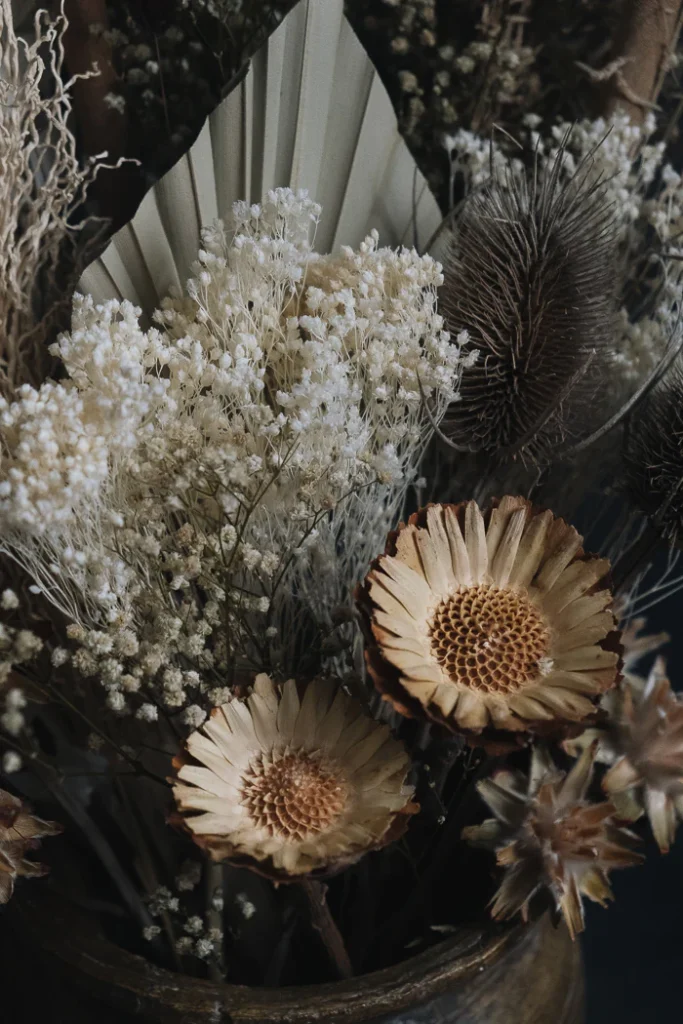
Dried flowers have been a staple in floral arrangements for centuries, offering a unique and long-lasting alternative to fresh blooms. Not only do they add a touch of elegance to any room, but they’re also low-maintenance and can be easily stored away when not on display. In this comprehensive guide, we’ll explore the world of dried flowers, covering everything from preparing your flowers for drying to conserving them for years to come.
Why Choose Dried Flowers?
Dried flowers may seem like an old-fashioned choice, but they’re making a comeback in a big way. With their natural beauty and timeless appeal, it’s no wonder why people are turning to dried flowers as a preferred option. Here are just a few reasons why you might want to consider incorporating dried flowers into your arrangements:
- Low Maintenance: Dried flowers require little to no maintenance, making them perfect for busy individuals or those who want to add a touch of elegance to their space without the hassle.
- Long-Lasting: Unlike fresh flowers, which can wilt and drop petals quickly, dried flowers can last for years with proper care.
- Cost-Effective: Dried flowers are often less expensive than fresh blooms, making them a great option for those on a budget.
- Versatile: Dried flowers come in a wide range of colors, shapes, and sizes, allowing you to create unique and intricate arrangements that reflect your personal style.
Materials Needed
Before we dive into the nitty-gritty of drying flowers, let’s take a look at what you’ll need:
- Presses (you can use a DIY press or purchase one online)
- Cardboard sheets
- Paper towels or cardboard sheets for drying
- A pin cushion and/or small scissors
- Optional: decorative items like ribbons, lace, or other embellishments
The Drying Process
Now that we’ve covered the basics, let’s talk about how to dry your flowers. This is where things get a bit more involved, but don’t worry, it’s easier than you think!
Step 1: Prepare Your Flowers
- Choose fresh flowers with no signs of wilting or damage
- Remove any stems or leaves that are damaged or wilted
- Gently brush off any dirt or debris from the petals
Step 2: Prepare Your Press
- Place a sheet of cardboard on top of another sheet to create a flat surface
- Add a layer of paper towels or cardboard sheets for drying
- Arrange your flowers in a single layer, making sure not to overcrowd the press
Step 3: Close and Secure the Press
- Place another sheet of cardboard on top of the first one, pressing down firmly
- Use the pin cushion and/or small scissors to secure any stems or leaves that may be sticking out
Step 4: Monitor and Maintain
- Check your flowers every day or two to ensure they’re drying evenly
- Replace the paper towels or cardboard sheets as needed
- Allow your flowers to dry for at least two weeks before handling them further
Tips and Tricks
Here are a few additional tips to keep in mind when working with dried flowers:
- Use gloves when handling fresh flowers to prevent oils from getting on your skin
- Avoid using direct sunlight, which can cause colors to fade or flowers to become brittle
- Experiment with different techniques and materials to find what works best for you
Conserving Your Dried Flowers
Once your flowers are dry, it’s time to think about how to conserve them. Here are a few ideas:
- Store your dried flowers in decorative boxes or containers
- Use clear plastic wrap or cellophane bags to protect against moisture and pests
- Consider creating a photo album or scrapbook with your favorite dried flower arrangements
FAQs
- Q: Can I dry any type of flower?
A: While most types of flowers can be dried, some are better suited for drying than others. Be sure to research the specific needs of your chosen flowers before attempting to dry them. - Q: How do I prevent my dried flowers from becoming brittle or discolored?
A: To minimize discoloration and brittleness, handle your dried flowers gently and avoid exposing them to direct sunlight. - Q: Can I use a hair dryer to speed up the drying process?
A: While it may seem like a good idea to speed up the process, using a hair dryer can actually damage your flowers or cause them to become discolored. - Q: How do I store my dried flowers to keep them fresh for years to come?
A: Store your dried flowers in an airtight container, away from direct sunlight and moisture. -
Q: Can I use dried flowers in potpourri blends?
A: Absolutely! Dried flowers are a great addition to potpourri blends, adding color, texture, and fragrance to your arrangements. -
Q: How do I preserve the colors of my dried flowers?
A: To preserve the colors of your dried flowers, avoid exposing them to direct sunlight or moisture. -
Q: Can I use dried flowers in floral arrangements with other materials like silk or fabric?
A: Yes! Dried flowers pair beautifully with other materials like silk, fabric, and ribbons. -
Q: How do I get rid of the stems on my dried flowers?
A: Simply snip off the stem using scissors or a small pair of pruning shears. -
Q: Can I dry seed pods or other plant material besides flowers?
A: While most types of seed pods and plant material can be dried, some may require special care or treatment to preserve their texture and color. -
Q: How long does it take for dried flowers to dry completely?
A: Depending on the type of flower, drying time can vary from a few days to several weeks.
By following these steps and tips, you’ll be well on your way to creating beautiful and long-lasting dried flower arrangements that will add a touch of elegance to any room. Whether you’re a seasoned floral artist or just starting out, we hope this comprehensive guide has provided you with the knowledge and inspiration you need to get started.


