
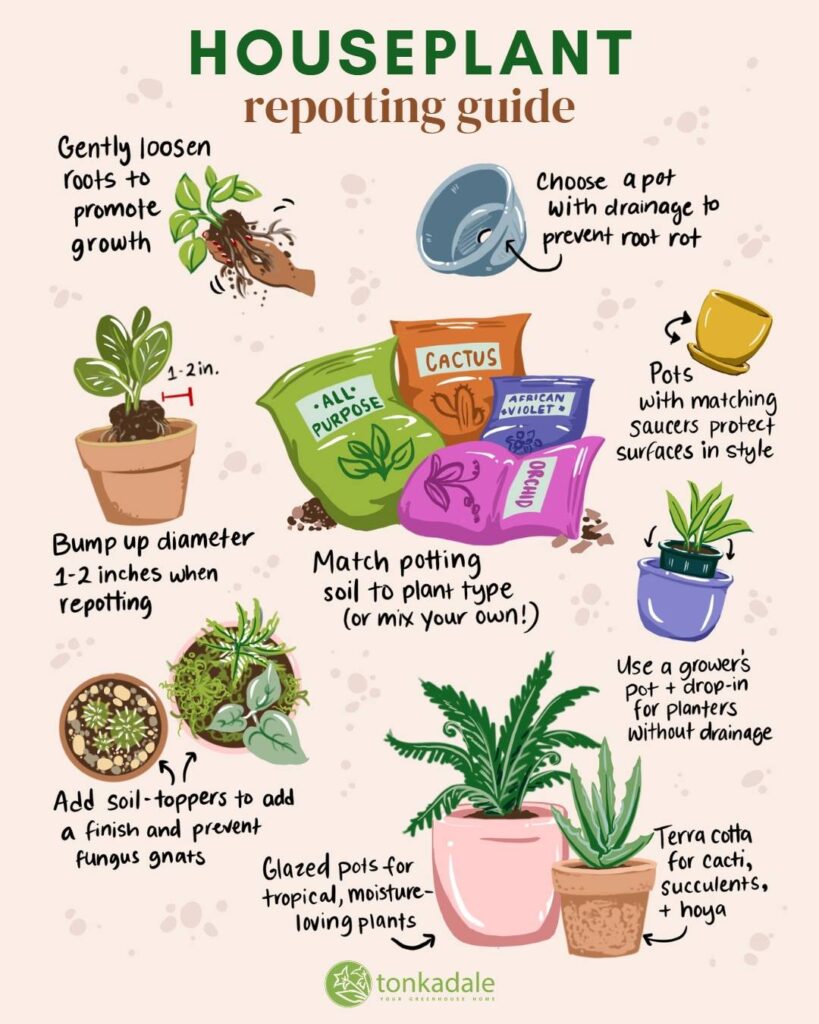
As a plant owner, you may find yourself in the situation where your plants have outgrown their containers and need to be transplanted into larger vessels. This process can be daunting, but with the right guidance, it can be done successfully.
Understanding Plant Stress
When plants are transplanted, they experience stress due to the change of environment. The roots are disturbed, and the plant may not have enough space to absorb water and nutrients. If left unaddressed, this stress can lead to root rot and other complications.
Choosing the Right Transplanting Method
Not all plants require transplantation, but some species benefit from it more than others. For instance, delicate plants like primulas and petunias are often sold in small containers and need to be transplanted into larger vessels immediately.
Selecting the Correct Vessel Size
When choosing a new vessel for your plant, ensure it is at least 30% larger than the current one. This will prevent unnecessary waste of soil and water. A smaller container can lead to waterlogged soil, causing root rot and other issues.
Preparing the Transplantation Site
Before transplanting, prepare the new vessel by filling it with small rocks, broken terra cotta pots, or pebbles. These materials help with drainage and prevent water from accumulating in the soil.
Transplanting Procedure
- Remove the Plant from its Current Vessel: Carefully lift the plant out of its old container, taking note not to damage the roots.
- Transfer the Plant to the New Vessel: Gently place the plant into the new vessel, ensuring the roots are not damaged during the transfer.
- Fill in the Sides with New Soil: Fill the sides of the new vessel with fresh soil, leaving enough space for watering and air circulation.
- Compact and Water Abundantly: Compact the soil gently around the roots, then water the plant thoroughly to settle the soil.
Tips for Specific Plant Species
- Delicate Plants: Primulas and petunias, in particular, require immediate transplantation into larger vessels. Ensure sufficient space between plants to accommodate their growth.
- Cacti and Succulents: These plants should only be transplanted every three years due to their sensitive nature.
Preventing Root Rot
To prevent root rot during transplantation, it’s essential to monitor the soil moisture levels closely. Avoid overwatering, which can lead to waterlogged soil and root rot. Also, ensure good air circulation around the plant to help prevent fungal diseases that thrive in moist environments.
Post-Transplantation Care
After transplanting your plants, provide them with adequate care to promote healthy growth. This includes maintaining regular watering schedules based on soil moisture levels, ensuring sufficient sunlight, and fertilizing as needed.
Common Mistakes to Avoid
- Overwatering: Be cautious not to overwater the plant after transplantation, as this can lead to waterlogged soil and root rot.
- Inadequate Drainage: Ensure that the new vessel has proper drainage to prevent water accumulation in the soil.
- Insufficient Space: Provide sufficient space between plants to accommodate their growth and prevent overcrowding.
Conclusion
Transplanting your plants can seem daunting, but with the right guidance and preparation, it can be a successful process. By understanding plant stress, selecting the correct vessel size, preparing the transplantation site, following the transplanting procedure, and providing post-transplantation care, you’ll set yourself up for success in caring for your plants.
Frequently Asked Questions
- Why do plants need to be transplanted?
Plants outgrow their containers as they grow and develop, necessitating a larger environment to thrive. - What is the ideal vessel size for transplanting?
The new vessel should be at least 30% larger than the current one to prevent waterlogged soil and root rot. - How often should cacti and succulents be transplanted?
These plants should only be transplanted every three years due to their sensitive nature. - What materials can I use for drainage in my new vessel?
Small rocks, broken terra cotta pots, or pebbles are effective materials for facilitating drainage and preventing water accumulation. - How often should I water my newly transplanted plant?
Water your plant thoroughly after transplantation to settle the soil, then maintain regular watering schedules based on soil moisture levels. - Can all plants be transplanted?
Some plants, like succulents and cacti, are more resistant to transplanting due to their specialized roots, while others, like delicate flowers, require immediate attention. - How do I prevent root rot during transplantation?
Regularly check for signs of root rot by inspecting the soil moisture levels and adjusting watering schedules accordingly. - Can plants be transplanted in cold weather?
Transplanting should ideally occur during warmer seasons, as extreme temperatures can cause stress to the plant.
Additional Tips
- Monitor Soil Moisture Levels: Keep a close eye on your plant’s soil moisture levels to ensure they are not too dry or waterlogged.
- Provide Adequate Sunlight: Ensure that your plants receive sufficient sunlight to promote healthy growth.
- Fertilize as Needed: Fertilize your plants regularly, but avoid overfertilizing, which can cause more harm than good.
By following these tips and avoiding common mistakes, you’ll be well on your way to successfully transplanting your plants.


