
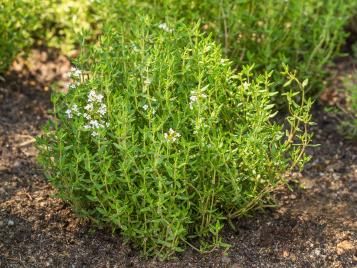
Growing thyme is a rewarding experience, and with this guide, you’ll learn how to cultivate the perfect herb in your home or garden. From choosing the right location to pruning your plants for optimal growth, we’ve got everything you need to know to get started.
What is Thyme?
Thyme (Thymus vulgaris) is a perennial herb that grows up to 30 cm in height with twisted and woody stems and a square cross-section. This versatile plant can be grown both indoors and outdoors, making it an excellent choice for gardeners of all levels.
History of Thyme Cultivation
Originating from temperate Europe, thyme is well-suited to the Mediterranean climate, which makes it easy to cultivate in Italy, where it’s a popular herb. Its adaptability to dry conditions and sunlight makes it perfect for low-maintenance gardening.
Growing Conditions
To grow thyme successfully, you’ll need:
- Well-draining soil with a pH of around 6.0-7.0
- Full sun (at least 4-5 hours of direct sunlight)
- Low humidity and moderate temperatures
For container gardening, choose a pot with good drainage and use a lightweight, slightly alkaline soil mix.
Sowing Thyme Seeds or Cutting
You can start growing thyme from seeds or cuttings. For optimal results:
- Sow thyme seeds indoors in late March to early April
- Plant the seedlings in a container filled with potting mix and moss
- Transplant the seedlings into a larger pot or directly into the ground when they’re about 8-10 inches tall
Cuttings can be taken from mature plants during the spring or fall. Follow these steps:
- Choose healthy stems with at least two nodes each.
- Cut the stem just above a node using clean, sharp scissors.
- Remove lower leaves to prevent rot and promote rooting.
Pruning Thyme Plants
To keep your thyme plant bushy and healthy, regular pruning is necessary. Here’s how:
- Cut off any dead or damaged branches.
- Trim back the top growth by about one-third to encourage branching.
- Use a sharp, clean knife or pruning shears to prevent spreading diseases.
When to Prune:
Pruning thyme plants best during the spring and early summer months, but you can prune them at any time of year if needed.
Using Thyme in Cooking
Thyme is an excellent addition to many dishes, from soups and stews to roasted meats and vegetables. Here are some tips for using thyme:
- Add fresh or dried thyme leaves to soups, stews, and braises.
- Rub thyme on chicken or fish before roasting for added flavor.
- Mix thyme into salad dressings or marinades for a unique twist.
Thyme’s Medicinal Properties
Thyme has been used for centuries in traditional medicine due to its antimicrobial properties. Here are some of its potential benefits:
- Natural antiseptic and antibacterial agent
- Can help soothe coughs and colds when consumed as tea
- May have anti-inflammatory effects on the skin
Growing thyme is a great way to connect with nature, experiment with new recipes, and reap the rewards of this versatile herb. With these guidelines, you’re ready to start cultivating your own thyme plants and enjoying their many benefits.
Frequently Asked Questions
Q: What climate conditions are necessary for growing thyme?
A: Thyme thrives in temperate climates with full sun and well-draining soil.
Q: How often should I water my thyme plant?
A: Allow the top 1-2 inches of soil to dry out between waterings, depending on your local climate.
Q: Can I grow thyme indoors?
A: Yes, but ensure it receives enough sunlight (at least 4-5 hours a day) and maintain good air circulation.
Q: How do I propagate thyme using cuttings?
A: Plant the cutting in well-draining soil, water thoroughly, and provide bright light to promote rooting.
Q: What are some common pests that affect thyme plants?
A: Aphids, whiteflies, and spider mites can infest thyme plants; treat them promptly with insecticidal soap or neem oil.
Q: Can I grow thyme in a pot?
A: Yes, but ensure the container has good drainage and use a well-draining soil mix specifically designed for containers.


