
Are you looking to reduce your energy consumption and save money on your water heating bills? Consider installing a solar thermal system. These systems have been shown to provide significant savings, with a potential reduction in energy costs ranging from 50% to 90%.
But how do they work, and what are the benefits of using a solar thermal system?
What is Solar Thermal Energy?
Solar thermal energy harnesses the power of the sun to produce hot water for your home. Unlike traditional fossil fuel-based systems, solar thermal systems use sunlight to heat water, rather than relying on gas or electricity.
Benefits of Solar Thermal Systems
There are several benefits to using a solar thermal system:
- Energy Savings: Solar thermal systems can save you up to 90% on your energy bills.
- Reduced Carbon Footprint: By harnessing the power of the sun, solar thermal systems reduce our reliance on fossil fuels and lower greenhouse gas emissions.
- Increased Property Value: Installing a solar thermal system can increase the value of your property.
Comparison to Traditional Systems
So how do solar thermal systems compare to traditional systems?
- Gas-Fired Systems: Solar thermal systems use less energy than gas-fired systems, with an average savings of 50-60%.
- Electricity-Based Systems: Solar thermal systems use even less energy than electricity-based systems, with an average savings of 70-80%.
Key Components of a Solar Thermal System
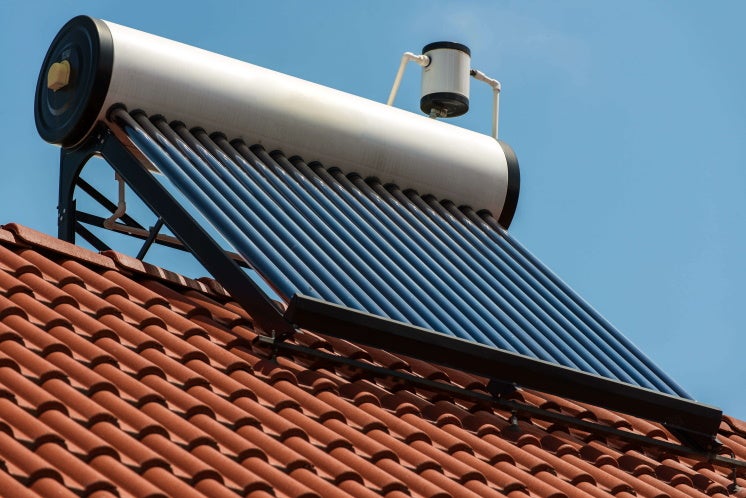
A solar thermal system consists of two main components:
- Collector: The collector is responsible for capturing the sun’s rays and converting them into heat energy.
- Storage Tank: The storage tank stores the hot water produced by the collector.
How a Solar Thermal System Works
Here’s an overview of how a solar thermal system works:
- The collector absorbs sunlight and converts it into heat energy.
- The heat energy is transferred to the storage tank, where it heats up the water.
- The hot water is then distributed to your home through pipes.
Factors Affecting Performance
The performance of a solar thermal system can be affected by several factors:
- Weather Conditions: Weather conditions such as cloud cover and temperature can affect the amount of sunlight available.
- Time of Day: The time of day also affects the amount of sunlight available, with peak hours typically occurring between 10am-3pm.
Conclusion
Solar thermal systems offer a sustainable and energy-efficient way to heat your home. With their ability to save up to 90% on energy bills, they are an attractive option for homeowners looking to reduce their carbon footprint.
Frequently Asked Questions
- How long does it take for the system to pay off?
The amount of time it takes for a solar thermal system to pay off depends on several factors, including your location, energy usage, and the cost of the system. - What is the average lifespan of a solar thermal system?
The average lifespan of a solar thermal system is around 15-20 years, although some systems have been known to last longer. - Are solar thermal systems suitable for all climates?
Solar thermal systems can be used in any climate, but they may not perform as well in areas with extreme weather conditions such as high winds or intense sunlight. - Can I install a solar thermal system myself?
While it is possible to install a solar thermal system yourself, it is highly recommended that you hire a professional to ensure the system is installed correctly and safely. - Are there any maintenance requirements for a solar thermal system?
Regular maintenance is necessary to keep your solar thermal system running efficiently. This includes cleaning the collector and inspecting the pipes for leaks. - Can I use my existing plumbing system with a solar thermal system?
Yes, you can use your existing plumbing system with a solar thermal system. The system will simply tap into your home’s water supply to heat your water. - How much does it cost to install a solar thermal system?
The cost of installing a solar thermal system varies depending on the size and complexity of the system, as well as your location. - Are there any rebates or incentives available for installing a solar thermal system?
Yes, there are several rebates and incentives available for installing a solar thermal system, including federal tax credits and state-specific programs.
By understanding the benefits and features of solar thermal systems, you can make an informed decision about whether this renewable energy source is right for your home.


