
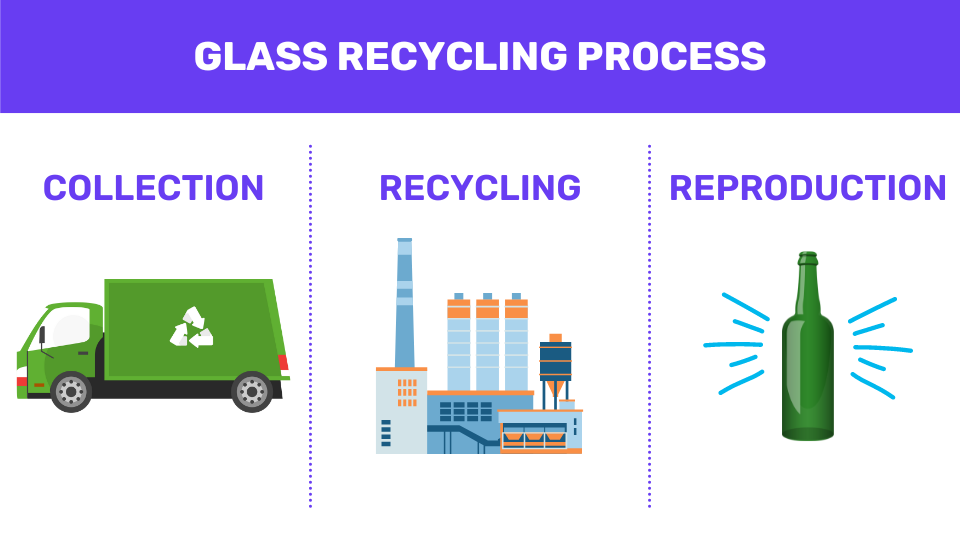
Glass recycling is a crucial aspect of waste management, and Italy is at the forefront of this effort. The country has made significant strides in collecting and recycling glass, with over 1.5 million tons of glass being collected and recycled each year. In this article, we will delve into the world of glass recycling, exploring its benefits, challenges, and what it means for our environment.
Understanding Glass Recycling
Glass recycling involves the collection and processing of used glass bottles and jars to produce new glass products. This process requires specialized equipment and facilities, but the benefits are numerous. By recycling glass, we can conserve raw materials, reduce energy consumption, and decrease waste sent to landfills.
How Does Glass Recycling Work?
The glass recycling process typically involves several steps:
- Collection: Used glass bottles and jars are collected from households, businesses, and community recycling centers.
- Sorting: Collected glass is sorted by color, type, and size to ensure that it can be processed efficiently.
- Cleaning: Glass is cleaned to remove any residue or contaminants that could affect its quality.
- Crushing: Cleaned glass is crushed into small pieces called “cullet.”
- Melting: Cullet is melted in a furnace at high temperatures (around 1400°C) until it forms molten glass.
- Forming: Molten glass is then formed into new products, such as bottles, jars, and fiberglass.
Italy’s Glass Recycling Efforts
Italy is a leader in glass recycling, with a high rate of collection and recycling. The country’s glass recycling program has been in place since the 1990s, and it has seen significant growth over the years. In fact, Italy’s glass recycling rate has increased by 131% since the 1990s, making it one of the top performers in Europe.
Benefits of Glass Recycling
Glass recycling offers numerous benefits, including:
- Conservation of raw materials: By recycling glass, we can conserve raw materials such as sand and soda ash.
- Reduced energy consumption: Glass recycling requires less energy than producing new glass from raw materials.
- Decreased waste sent to landfills: Recycling glass reduces the amount of waste sent to landfills, where it can take hundreds of years to decompose.
Challenges in Glass Recycling
Despite its benefits, glass recycling also presents some challenges. These include:
- Color sorting: Glass is often sorted by color, which can be a complex process.
- Transportation costs: Collecting and transporting glass from households to recycling facilities can be expensive.
- Market demand: The demand for recycled glass products can fluctuate, affecting the economic viability of recycling.
Riciclaggio del Vetro in Germania
Germany is another country that has made significant strides in glass recycling. The country’s glass recycling rate is 85%, making it one of the top performers in Europe. Germany’s approach to glass recycling includes:
- Separate collection: Germans collect their glass separately from other household waste.
- High-tech facilities: German recycling facilities are equipped with state-of-the-art technology, enabling them to produce high-quality recycled glass.
The Future of Glass Recycling
As the world continues to grapple with environmental challenges, the importance of glass recycling will only continue to grow. To achieve this goal, we need to:
- Increase public awareness: Educating consumers about the benefits of glass recycling can help increase participation.
- Improve recycling infrastructure: Upgrading recycling facilities and collection systems can make the process more efficient and cost-effective.
- Develop new technologies: Investing in research and development can lead to the creation of new, innovative recycling technologies.
FAQs
- What percentage of glass is recycled globally?
- How much energy does it take to produce new glass compared to recycling existing glass?
- What are some common products made from recycled glass?
- Can all types of glass be recycled?
- How can individuals make a difference in reducing waste and increasing glass recycling?
By understanding the benefits, challenges, and future prospects of glass recycling, we can work towards creating a more sustainable future for our planet.
Glass Recycling Benefits for the Environment
Glass recycling has numerous environmental benefits, including:
- Reducing greenhouse gas emissions: Producing new glass from raw materials requires energy, which is often generated by burning fossil fuels. By recycling glass, we can reduce this carbon footprint.
- Conserving natural resources: Glass recycling helps to conserve raw materials such as sand and soda ash, reducing the need for mining and extracting these resources.
- Decreasing waste in landfills: Recycling glass reduces the amount of waste sent to landfills, where it can take hundreds of years to decompose.
Glass Recycling Benefits for Human Health
Glass recycling also has numerous health benefits, including:
- Reducing exposure to toxic chemicals: Glass contains many chemicals that can be harmful if released into the environment. By recycling glass, we can reduce this exposure.
- Conserving water and energy: Producing new glass from raw materials requires significant amounts of water and energy. By recycling glass, we can conserve these resources.
Conclusion
Glass recycling is a crucial aspect of waste management, offering numerous benefits for both the environment and human health. As we continue to grapple with environmental challenges, the importance of glass recycling will only continue to grow. By increasing public awareness, improving recycling infrastructure, and developing new technologies, we can work towards creating a more sustainable future for our planet.


