
Are you aware of the numerous health benefits associated with pine nuts, also known as pinoli? This Italian delicacy has been a staple in Mediterranean cuisine for centuries, and its popularity continues to grow. In this article, we will delve into the world of pine nuts, exploring their properties, nutritional value, uses, and benefits.
What are Pine Nuts?
Pine nuts are the edible seeds of certain pine tree species, particularly the Pinus pinea. These small, nutrient-rich fruits have been a prized ingredient in Mediterranean cuisine for thousands of years. Unlike other types of nuts, pine nuts are not actually nuts but rather seeds that grow on the cones of pine trees.
The Properties and Nutritional Value of Pine Nuts
Pine nuts possess numerous properties that make them an excellent addition to a healthy diet. They contain:
- Antioxidants: Which help protect against cell damage and oxidative stress
- Vitamins: Including vitamin B2, vitamin E, and potassium
- Minerals: Such as zinc, magnesium, and calcium
- Fiber: Aids in digestion and satiety
- Healthy fats: Like oleic acid, which supports heart health
The Nutritional Profile of Pine Nuts
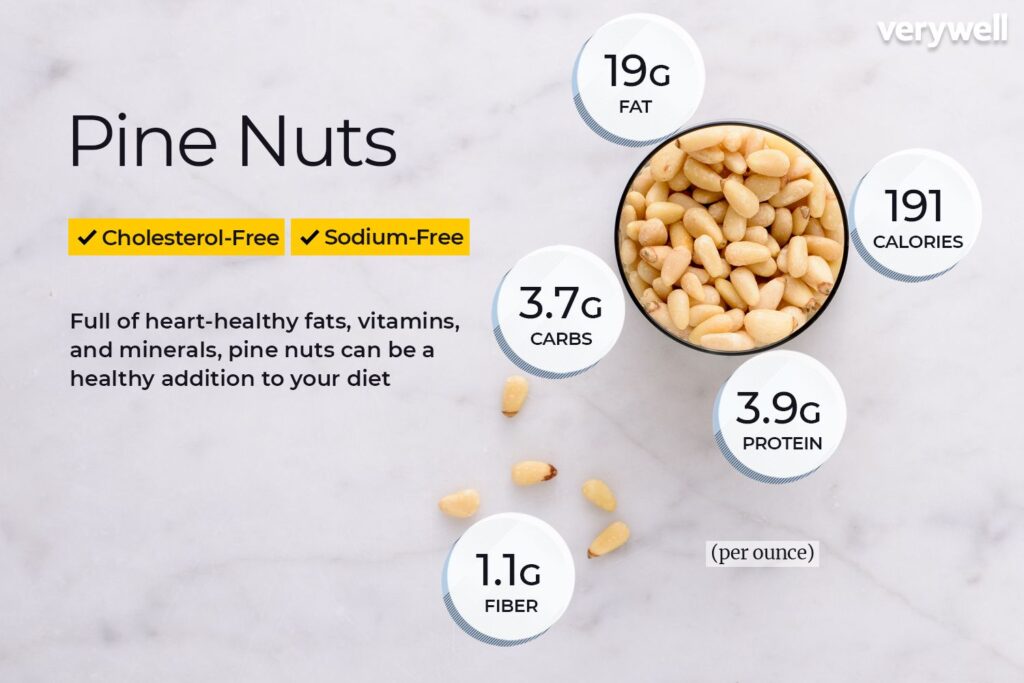
One ounce (28g) of pine nuts contains approximately 191 calories. This serving size provides:
- Protein: 7 grams
- Carbohydrates: 16 grams
- Fiber: 5 grams
- Fat: 14 grams
- Calories
Pine nuts are an excellent source of healthy fats, including monounsaturated and polyunsaturated fatty acids. They also contain a significant amount of antioxidants and other essential nutrients.
Benefits of Pine Nuts
The nutritional benefits of pine nuts make them an excellent addition to a healthy diet. Some of the key benefits include:
- Cardiovascular health: The oleic acid content in pine nuts supports heart health by reducing inflammation and improving lipid profiles
- Digestive health: The fiber content in pine nuts aids in digestion and satiety, making them an excellent choice for those with digestive issues
- Anti-aging: The antioxidants present in pine nuts help protect against cell damage and oxidative stress, promoting overall health and well-being
Using Pine Nuts in Cooking
Pine nuts are a versatile ingredient that can be used in a variety of dishes. They add a rich, nutty flavor to many Mediterranean recipes. Some popular ways to use pine nuts include:
- Pesto alla Genovese: A classic Italian sauce made with basil, garlic, and olive oil
- Castagnaccio: A traditional Italian chestnut flour cake
- Salads: Pine nuts are a great addition to green salads, fruit salads, and grain salads
Buying and Storing Pine Nuts
Pine nuts can be found in many health food stores and specialty grocery stores. They are also available online. To ensure freshness and quality, look for pine nuts that are:
- Stored in an airtight container
- Kept at room temperature or refrigerated
- Consumed within 3-4 months
Conclusion
Pine nuts are a nutrient-rich ingredient that offers numerous health benefits when consumed as part of a balanced diet. With their rich, nutty flavor and versatility in cooking, pine nuts make an excellent addition to any Mediterranean-inspired dish.
Frequently Asked Questions
- What is the difference between pine nuts and other types of nuts?
Pine nuts are not actually nuts but rather seeds that grow on the cones of pine trees. They have a distinct flavor and texture that sets them apart from other nuts. - How can I incorporate pine nuts into my diet?
Pine nuts can be used in a variety of dishes, including pesto alla Genovese, castagnaccio, salads, and as a topping for yogurt or oatmeal. - Are pine nuts high in calories?
Yes, one ounce (28g) of pine nuts contains approximately 191 calories. While they are relatively high in fat, the majority of this fat is healthy unsaturated fatty acids. - Can I store pine nuts at room temperature?
No, pine nuts should be stored in an airtight container and kept at room temperature or refrigerated to maintain freshness and quality. -
How long do pine nuts last?
Pine nuts can last for several months when stored properly. It’s recommended to consume them within 3-4 months of purchase for optimal flavor and nutritional value. -
Are pine nuts suitable for people with nut allergies?
No, pine nuts are a common allergen and should be avoided by individuals with tree nut allergies. - Can I use pine nuts as a substitute for other types of seeds or nuts?
While pine nuts share some similarities with other seeds and nuts, their unique flavor and texture make them best suited for specific recipes. -
Are pine nuts rich in antioxidants?
Yes, pine nuts are an excellent source of antioxidants, including vitamin E and oleic acid. -
Can I use pine nuts to support heart health?
Yes, the healthy fats present in pine nuts can help support cardiovascular health by reducing inflammation and improving lipid profiles. -
Are pine nuts suitable for people with digestive issues?
While pine nuts are not a cure-all for digestive issues, their fiber content can aid in digestion and satiety, making them an excellent choice for those with digestive concerns. -
Can I use pine nuts to support anti-aging?
Yes, the antioxidants present in pine nuts can help protect against cell damage and oxidative stress, promoting overall health and well-being. -
Are pine nuts suitable for people with high cholesterol?
While pine nuts are not a cure-all for high cholesterol, their healthy fats can help improve lipid profiles and support cardiovascular health. -
Can I use pine nuts in beauty treatments?
Yes, the antioxidants present in pine nuts can be used as a natural remedy for skin and hair care. -
Are pine nuts rich in minerals?
Pine nuts are an excellent source of several essential minerals, including zinc, magnesium, and potassium. -
Can I use pine nuts to support immune function?
Yes, the vitamin C content in pine nuts can help support immune function and reduce the severity of colds and flu.
Conclusion
Pine nuts offer numerous health benefits due to their high nutrient content and versatility in cooking. By incorporating pine nuts into your diet, you can enjoy improved cardiovascular health, digestive health, anti-aging effects, and immune system support.
Final Thoughts
Incorporating pine nuts into your diet can have a significant impact on your overall health and well-being. With their rich flavor, nutritional profile, and versatility in cooking, pine nuts make an excellent addition to any Mediterranean-inspired dish. Whether you’re looking to improve your cardiovascular health, digestive health, or immune function, pine nuts are an excellent choice.
Whether you choose to use pine nuts as a topping for yogurt or oatmeal, add them to pesto alla Genovese, or incorporate them into castagnaccio, pine nuts are sure to bring flavor and nutrition to any dish.


