
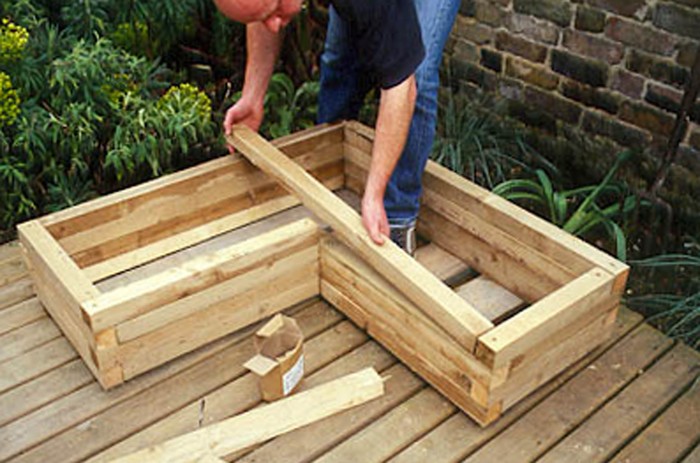
Creating a flower bed can be a wonderful way to enhance your outdoor space, whether it’s in your backyard, on your patio, or even in your courtyard. If you’re looking to separate different areas within the same environment, a flower bed is an excellent solution. For instance, if you want to create a dining area that’s separate from your relaxation zone, or if you need to define the entrance path for your car and other spaces.
However, building a flower bed requires some planning and effort. In this article, we’ll take you through the step-by-step process of creating a beautiful and functional flower bed, covering materials, tools, foundation preparation, masonry, and final touches.
Choosing the Right Location
Before starting your project, it’s essential to select the perfect location for your flower bed. Consider factors such as sunlight, soil quality, and accessibility. Think about how you’ll use the space and what type of flowers or plants you want to feature.
When choosing a location, consider the following:
- Sunlight: Most flowers need at least 4-6 hours of direct sunlight per day. If your flower bed will receive partial shade, choose plants that thrive in shade.
- Soil quality: The soil should be well-draining and have a pH level suitable for the type of plants you’re using.
- Accessibility: Consider how easy it is to maintain the flower bed. Choose a location with good access to water and fertilizers.
Preparing the Foundation
If you’re building a new flower bed on solid ground, you’ll need to prepare the foundation. This involves creating a level surface by excavating the area to a depth of around 30 cm (12 inches). Fill this hole with 10 cm (4 inches) of compacted gravel or pietrisco, followed by 20 cm (8 inches) of concrete.
After completing the foundation work, allow at least one day for the concrete to set and solidify. This will ensure your flower bed is stable and secure.
Gathering Materials and Tools
To build a flower bed, you’ll need the following materials:
- Gravel or pietrisco for the foundation
- Concrete
- Bricks or blocks (full-faced or half-facing)
- Cement mortar
- Sand
- Small stones or pebbles for drainage
- A membrane or geotextile fabric for filtering
- Shovels and trowels for digging and laying materials
- Leveling tools, such as a spirit level and bubble level
Building the Wall
Once your foundation is complete, it’s time to build the wall of your flower bed. The first step is to define the perimeter by excavating a trench around the area where you want to create the bed.
Using bricks or blocks, start building the wall by laying the bottom course with the largest stones or bricks, followed by smaller ones on top. Make sure to check the level regularly and adjust as needed using your leveling tools.
Leave space between each brick for proper drainage, and ensure that the final layer of bricks is laid perpendicular to the ground. This will provide a solid foundation for your flower bed.
Types of Bricks and Blocks
There are several types of bricks and blocks you can use for building a flower bed:
- Full-faced bricks: These have both sides visible and are typically used for decorative purposes.
- Half-facing bricks: These have one side visible and are often used for functional purposes, such as drainage.
- Concrete blocks: These are made from concrete and can be used to create a wall or retaining wall.
Finishing Touches
After completing the wall, it’s time to add the finishing touches to your flower bed. Start by laying a 5 cm (2 inch) layer of small stones or pebbles on top of the wall for drainage purposes.
Next, fill the space with soil and plant your chosen flowers or plants, making sure not to overcrowd the area.
To prevent the soil from spilling out through the drainage holes, create a barrier using a double layer of filters. Place a thin layer of filter material (such as geotextile fabric) on top of the small stones, followed by another layer of soil.
By following these steps and tips, you’ll be able to create a beautiful and functional flower bed that will enhance your outdoor space for years to come.
Tips and Tricks
Here are some additional tips and tricks to help you build a stunning flower bed:
- Use a level: Ensure that the wall is level and plumb throughout the construction process.
- Don’t forget drainage: Adequate drainage is essential for preventing waterlogged soil and root rot.
- Choose the right plants: Select plants that are suitable for your climate and will thrive in your chosen location.
- Add a decorative edge: Consider adding a decorative edge, such as a wooden or metal edging, to enhance the appearance of your flower bed.
Common Mistakes
Here are some common mistakes to avoid when building a flower bed:
- Incorrect foundation preparation: Ensure that the foundation is level and secure before starting construction.
- Inadequate drainage: Make sure that the wall is designed with adequate drainage in mind, using materials such as small stones or pebbles for drainage purposes.
- Overcrowding: Avoid overcrowding the flower bed by planting too many plants at once. This can lead to competition for resources and create an unhealthy environment.
Conclusion
Building a flower bed requires some planning and effort, but with the right materials and tools, you can create a beautiful and functional space that enhances your outdoor area. Remember to choose the right location, prepare a solid foundation, build a sturdy wall, and add finishing touches such as drainage and decorative edges.
By following these guidelines and tips, you’ll be well on your way to creating a stunning flower bed that will delight and surprise for years to come.
FAQs
- What type of foundation is best for building a flower bed?
A: Gravel or pietrisco with compacted concrete provides the best foundation for a flower bed. - How often should I water my flower bed?
A: Water your flower bed regularly, but avoid overwatering to prevent root rot and other issues. - What type of soil is best for planting flowers in a flower bed?
A: Choose a well-draining potting mix specifically designed for container gardening or raised beds. - How can I prevent weeds from growing in my flower bed?
A: Use a landscape fabric or geotextile material to cover the area before planting, and keep the soil consistently moist but not waterlogged. - Can I use composite materials instead of traditional bricks for building a flower bed?
A: Yes, composite materials can be used, but ensure that they’re specifically designed for outdoor use and follow local building codes. - How long does it take to build a flower bed?
A: Building a flower bed requires at least one day for foundation preparation and several hours for construction. - Can I build a flower bed in a shade location?
A: Yes, but choose plants that thrive in partial shade or full shade, and consider using a mix of evergreen and deciduous species. - What type of drainage is best for a flower bed?
A: Small stones or pebbles with a geotextile fabric filter provide the most effective drainage system.
By following these guidelines and tips, you’ll be able to create a beautiful and functional flower bed that will enhance your outdoor space for years to come.


