
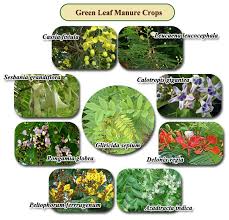
As a gardener, you’re always looking for ways to improve the health and fertility of your soil. One effective method is green manure, also known as cover cropping or no-till farming. In this article, we’ll explore what green manure is, its benefits, and how to practice it in your garden.
What is Green Manure?
Green manure is a technique where you grow certain crops on your land that are not harvested for food, but instead are left to die and their remains incorporated into the soil. This process adds organic matter, nutrients, and microorganisms to the soil, improving its structure, fertility, and overall health.
Benefits of Green Manure
Green manure offers numerous benefits, including:
- Improves soil structure and drainage: By adding organic matter and reducing erosion, green manure helps create a more stable and permeable soil.
- Increases biodiversity and supports beneficial insects: Planting diverse crops can attract pollinators, predatory insects, and other beneficial organisms to your garden.
- Reduces soil erosion and runoff: Green manure helps hold the soil in place, reducing the risk of erosion and water pollution.
- Decreases weed growth and improves crop yields: By adding organic matter and nutrients, green manure can help suppress weeds and promote healthy plant growth.
- Adds organic matter and nutrients to the soil: Green manure provides a natural source of carbon, nitrogen, and other essential nutrients for your crops.
How to Practice Green Manure in Your Garden
To start practicing green manure, you’ll need to choose the right crops for your climate and soil type. Here are some popular options:
Legumes
Legumes are an excellent choice for green manure, as they add nitrogen to the soil. Some popular legume options include:
- Clover: White clover and red clover are both great choices for green manure.
- Alfalfa: This legume is high in protein and can be used as a cover crop or green manure.
- Lentils: These small, round seeds are easy to plant and can be used as a green manure crop.
Crucifers
Cruciferous crops like broccoli, cauliflower, and kale can also be used for green manure. These plants have a deep taproot that helps break up compacted soil.
- Broccoli: This cool-season crop is great for green manure in temperate climates.
- Cauliflower: Similar to broccoli, cauliflower has a deep taproot that can help improve soil structure.
- Kale: This hardy, leafy green is easy to grow and can be used as a green manure crop.
Grains
Grain crops like wheat, oats, and barley can be used for green manure as well. They add organic matter and nutrients to the soil.
- Wheat: This cool-season grain is great for green manure in temperate climates.
- Oats: Oats are another cool-season grain that can be used for green manure.
- Barley: This hardy, adaptable crop can be used as a green manure option.
Other Options
Other plants that can be used for green manure include:
- Cover crops like rye and oats
- Comfrey: This herb is high in nutrients and can be used as a green manure crop.
- Clover: White clover and red clover are both great choices for green manure.
When choosing a crop for green manure, consider factors like climate, soil type, and moisture levels. It’s also important to choose crops that are compatible with each other.
Timing is Everything
The timing of your green manure practice is crucial. You’ll want to choose a time when the crop will die naturally, such as during the winter or fall. This allows the nutrients and organic matter to break down and be incorporated into the soil.
Getting Started
To get started with green manure, follow these steps:
- Choose a crop for your green manure practice
- Prepare the soil by loosening it to a depth of about 8-10 inches
- Plant the crop according to its specific instructions
- Allow the crop to grow and die naturally
- Incorporate the dead crop into the soil using a tiller or rototiller
By following these steps, you can start practicing green manure in your garden and enjoy the benefits of improved soil health and fertility.
Frequently Asked Questions
Here are some frequently asked questions about green manure:
- What is the best crop for green manure?
The best crop for green manure depends on your climate, soil type, and moisture levels. Some popular options include legumes, crucifers, grains, and cover crops. - How often should I practice green manure?
You can practice green manure as frequently as you like, but it’s recommended to do so at least once a year. This allows the soil to rest and recover between green manure applications. - Can I use any crop for green manure?
No, not all crops are suitable for green manure. Look for crops that have deep taproots or are high in nitrogen content. - How long does it take for the nutrients from green manure to break down?
The length of time it takes for the nutrients from green manure to break down depends on factors like soil type, moisture levels, and temperature. On average, it takes about 1-3 months for the nutrients to break down.
By following these tips and best practices, you can start practicing green manure in your garden and enjoy the benefits of improved soil health and fertility.
Common Challenges
While green manure is a highly effective practice, there are some common challenges that gardeners may face:
- Weed competition: Green manure crops can compete with weeds for water and nutrients. To minimize this risk, consider using mulch or cover crops that suppress weed growth.
- Pests and diseases: Like any crop, green manure plants can be susceptible to pests and diseases. Take steps to protect your crops from common pests like aphids and whiteflies.
- Soil compaction: Green manure can help improve soil structure, but it’s still important to avoid compacting the soil with heavy machinery or foot traffic.
By being aware of these challenges and taking steps to mitigate them, you can enjoy the benefits of green manure while minimizing potential risks.


