
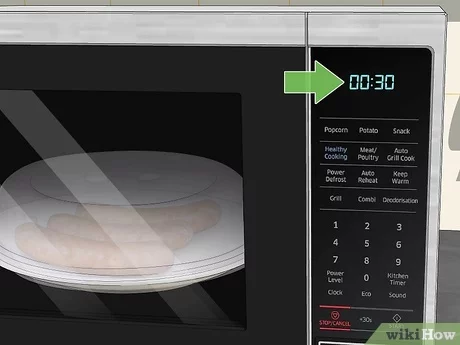
Welcome to our comprehensive guide on using the microwave oven. Whether you’re a seasoned cook or a newcomer to this convenient kitchen appliance, we’ll cover everything you need to know to get started.
Understanding Microwave Cooking
Before we dive into the nitty-gritty of cooking with your microwave, let’s discuss what makes it unique. Unlike traditional ovens, microwaves use non-ionizing radiation to heat food quickly and efficiently. This means that certain types of cooking, like browning or crisping, may not be possible in a microwave.
Choosing the Right Ingredients
When planning your meals, keep in mind which ingredients are best suited for microwave cooking. In general, it’s best to avoid cooking:
- Desserts with sugar: Microwaves can cause sugar to caramelize unevenly, resulting in an unpleasant texture and flavor.
- Cakes and pastries: The microwave can’t produce the same crispy crust that a traditional oven does, so these items are usually better off baked or cooked on the stovetop.
- Risottos and polentas: These dishes require gentle heating to prevent overcooking, which can lead to an unpleasant texture.
On the other hand, microwaves excel at cooking:
- Lean proteins: Chicken, fish, and turkey breast cook quickly and evenly in the microwave.
- Vegetables: Leafy greens, broccoli, and carrots are all great candidates for microwave cooking.
- Soups and stews: These can be cooked to perfection in just a few minutes.
Microwave Safety Precautions
Before you start cooking, make sure to follow these safety guidelines:
- Always use a microwave-safe container. Glassware, ceramic dishes, and BPA-free plastic containers are all good options.
- Avoid overheating your food by checking on it regularly during cooking.
- Never leave your microwave unattended while it’s in operation.
Microwave Cooking Techniques
Now that we’ve covered the basics, let’s explore some advanced techniques for cooking with your microwave:
Sous Vide-Style Cooking
To achieve precise temperature control and even cooking, try using a sous vide machine or an Instant Pot with a pressure cooking function. These devices can hold water at a consistent temperature, allowing you to cook food to the exact desired level of doneness.
Grilling in the Microwave
For a crispy crust on your food, try using the microwave’s grill function. This will give you a nice char without overheating the surrounding ingredients.
Microwave-Combination Oven Cooking
If you have a combination oven with both microwave and conventional heating elements, you can take advantage of the benefits of each cooking method. Here are some tips for combining microwaves and conventional heat:
- Use the microwave for initial heating: Microwaves can quickly cook food to the desired temperature, making it easier to finish off the dish in a traditional oven.
- Finish with traditional oven heat: If you want a crispy crust or caramelized flavors, switch to traditional oven heat to complete the cooking process.
Microwave Cooking FAQs
Here are some frequently asked questions about using your microwave:
- What is the maximum temperature setting for microwaves?
- How long does it take to cook frozen vegetables in a microwave?
- Can I use metal containers in the microwave?
- Is it safe to reheat leftovers in the microwave?
Advanced Microwave Cooking Techniques
In addition to the techniques mentioned earlier, there are several other advanced methods you can try:
- Microwave Steaming: This method uses a special steamer basket or tray to cook food evenly and retain nutrients.
- Microwave Roasting: For a crispy exterior and tender interior, try using a combination of microwave heat and oven roasting.
Common Microwave Cooking Mistakes
Don’t let common mistakes hold you back from achieving delicious results. Here are some things to watch out for:
- Overheating: Be careful not to overheat your food, as this can lead to an unpleasant texture or even a fire.
- Uneven heating: Make sure to use microwave-safe containers and rotate the food halfway through cooking to ensure even heating.
Microwave Cooking Tips
Here are some general tips for getting the most out of your microwave:
- Use a microwave-safe container: Choose containers that are safe for microwave use, such as glassware or BPA-free plastic.
- Cover with a lid or plastic wrap: Covering your food can help retain moisture and promote even cooking.
- Check on your food regularly: Keep an eye on your food while it’s cooking to ensure it reaches the desired level of doneness.
Conclusion
With these tips, techniques, and precautions, you’re ready to start cooking like a pro with your microwave oven! Whether you’re looking for quick and easy meals or want to experiment with new recipes, this guide has provided you with the knowledge and confidence to master the art of microwave cooking.
Frequently Asked Questions
- What is the maximum temperature setting for microwaves?
The maximum temperature setting for microwaves varies depending on the model and brand. Generally, most microwaves have a maximum temperature limit of around 300°F (150°C) to prevent overheating.
- How long does it take to cook frozen vegetables in a microwave?
Cooking time will depend on the specific type and quantity of frozen vegetables, as well as your personal preference for doneness. As a general guideline, you can start checking after 30-45 seconds for tender, cooked veggies.
- Can I use metal containers in the microwave?
No, it’s not safe to use metal containers in the microwave. This is because microwaves can cause metal to heat unevenly, potentially leading to sparks or even fires.
- Is it safe to reheat leftovers in the microwave?
Reheating leftovers safely depends on several factors, such as the temperature of the food before reheating and the type of container used. To minimize the risk of foodborne illness, always reheat leftovers to an internal temperature of at least 165°F (74°C), and use a microwave-safe container that allows for even heating.
Additional Microwave Cooking Resources
For more in-depth information on using your microwave, check out these additional resources:
- Microwave Cookbook: A comprehensive cookbook featuring microwave-friendly recipes and cooking techniques.
- Microwave Safety Guide: A detailed guide to safe microwave use, including guidelines for cooking times and temperature settings.
By following the tips and techniques outlined in this guide, you’ll be well on your way to becoming a microwave cooking pro. Happy cooking!


