
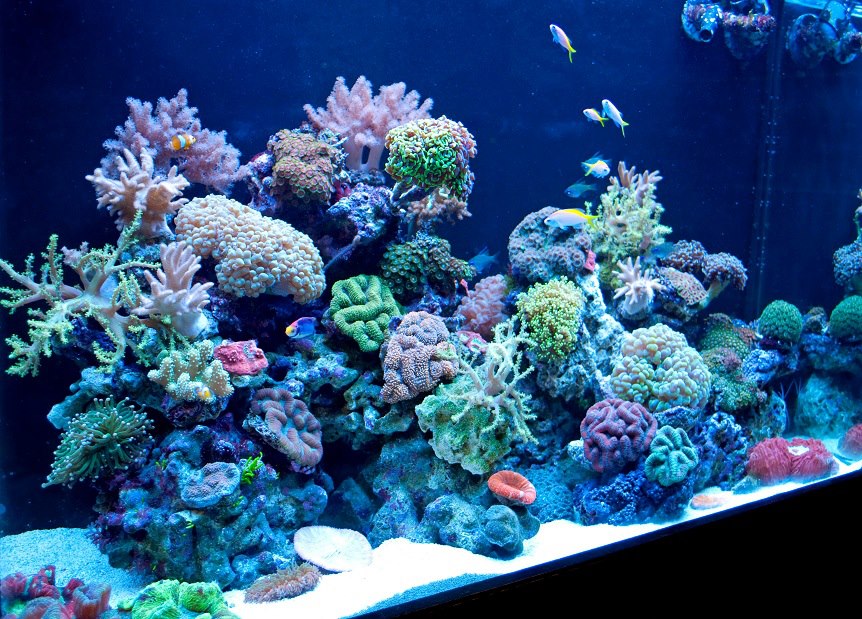
As a beginner in the world of marine aquariums, it’s easy to get overwhelmed by the numerous types of corals available. From SPS (Small Polyped Stony) and LPS (Large Polyped Stony) corals to hard and soft corals, each category has its unique characteristics, making it crucial to understand their differences before choosing the right ones for your aquarium.
Understanding Corals
When discussing corals for marine aquariums, it’s essential to recognize that SPS and LPS are corals with a hard skeleton (calcium carbonate), whereas soft corals are without this skeletal structure. This distinction is vital in determining which corals will thrive in your aquarium.
Differences between Soft Corals and Hard Corals
Soft corals are often underestimated due to their delicate appearance, but they can be just as stunning as their hard counterparts. Unlike hard corals, soft corals don’t build up a barrier reef structure; instead, they use a flexible, gelatinous base that’s prone to movement.
Some popular soft coral species include:
- Briareum green (Briareum sp.)
- Euphyllia (Euphyllia glabrescens)
- Sinularia (Sinularia verticillata)
- Entacmaea (Entacmaea quadricolor)
- Rhodactis (Rhodactis spp.)
In contrast, hard corals have a rigid skeleton that provides structural support. They can be categorized into two main groups: LPS and SPS.
Hard Corals: Distinguishing Between LPS and SPS
LPS stands for Large Polyped Stony corals, while SPS represents Small Polyped Stony corals. The primary difference between these two types lies in the size of their polyps (the soft, tissue-like structures that make up the coral).
-
SPS Corals:
- These corals have smaller polyps, typically measuring 1-3 mm in diameter.
- They require more precise water flow and lighting conditions to thrive.
- Examples of SPS corals include:
- Acroporidae (e.g., Acropora cervicornis)
- Astrocoeniidae (e.g., Astrocoenia sp.)
- Pocilloporidae (e.g., Pocillopora damicornis)
- Poritidae (e.g., Porites lutea)
-
LPS Corals:
- These corals have larger polyps, typically measuring 3-10 mm in diameter.
- They can tolerate a wider range of water flow and lighting conditions but still require proper care.
- Examples of LPS corals include:
- Euphylliidae (e.g., Euphyllia clathrata)
- Mussidae (e.g., Mussa anatina)
- Trachyphylliidae (e.g., Trachyphyllia lophocephala)
Other Hard Corals
While LPS and SPS corals are widely recognized, there are other hard coral families that don’t fit neatly into these categories. These include:
- Oculinidae (e.g., Oculina varicosa)
- Meandrinidae (e.g., Meandrina spp.)
- Siderastreidae (e.g., Siderastrea rugosa)
- Agariciidae (e.g., Agaricia armata)
- Pectiniidae (e.g., Pectinia sp.)
- Merulinidae (e.g., Merulina spp.)
- Dendrophyliidae (e.g., Dendrophyllum spp.)
Can Soft Corals and Hard Corals Coexist in an Aquarium?
Generally, yes, soft corals and hard corals can coexist in the same aquarium. However, they have different needs and can be sensitive to each other’s presence.
- Soft Corals:
- These corals are relatively easy to care for but may require more precise water flow and lighting conditions.
- They can be sensitive to strong currents and should not be placed near areas with high water turbulence.
- Hard Corals:
- Hard corals have a wider range of tolerance but still require proper care, including stable water flow and optimal lighting.
By understanding the differences between soft corals and hard corals, as well as their specific needs, you can create a thriving marine aquarium that showcases the beauty of these incredible organisms.
Tips for Setting Up an Aquarium
When setting up an aquarium with corals, it’s crucial to consider the following tips:
- Proper Water Parameters: Ensure that your aquarium has stable water parameters, including pH, ammonia, nitrite, and nitrate levels.
- Sufficient Lighting: Provide sufficient lighting for your coral species, taking into account their specific lighting requirements.
- Water Flow: Maintain adequate water flow in your aquarium to prevent stagnation and promote healthy coral growth.
- Corral Placement: Place corals in areas with minimal current and maximum lighting to ensure optimal growth and survival.
Conclusion
Choosing the right corals for your marine aquarium can be a daunting task, especially when considering the numerous types of soft and hard corals available. By understanding their differences and specific needs, you can create a thriving aquatic environment that showcases the beauty of these incredible organisms.


