
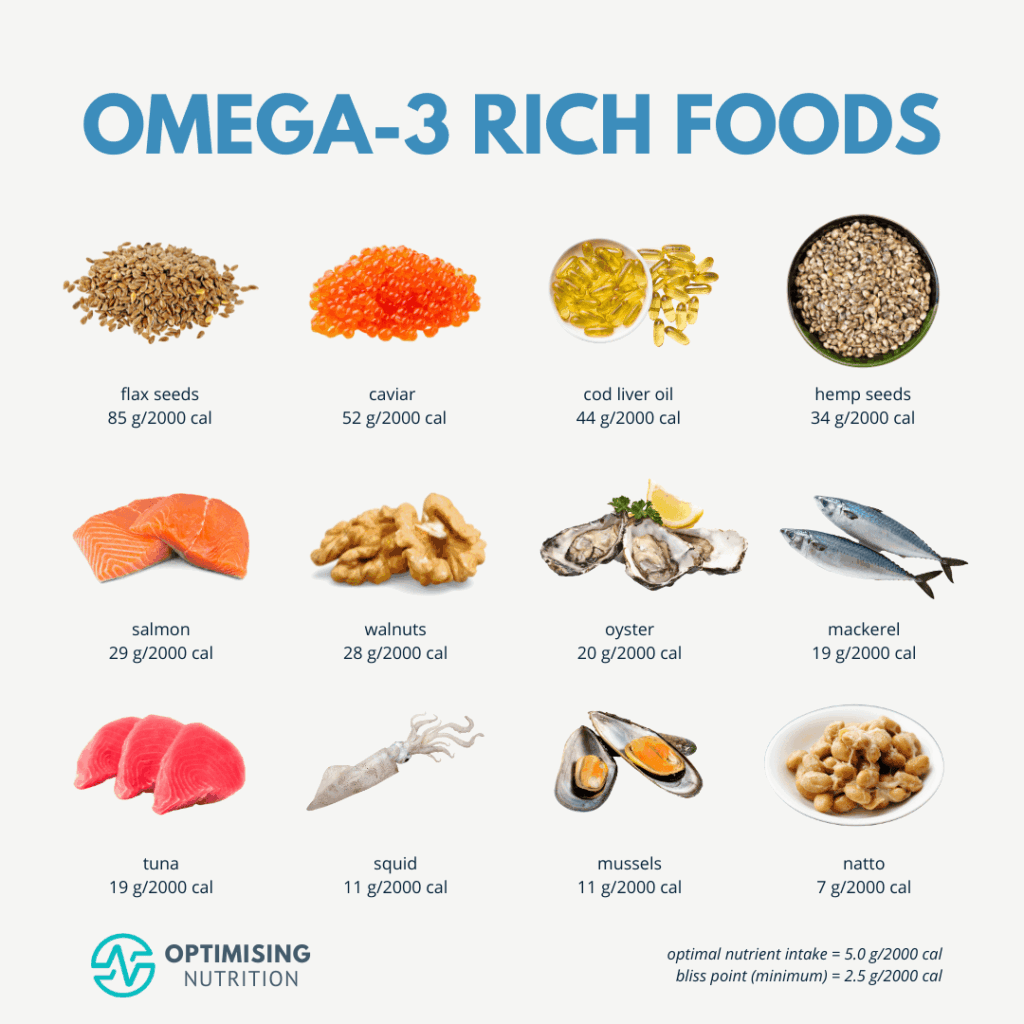
Omega-3 fatty acids are essential fatty acids that play a crucial role in maintaining overall health. These acids are classified based on their chain length, number, and position of any double bonds. This classification helps us distinguish between three main types: saturated fats (absence of double bonds), monounsaturated fats (one double bond), and polyunsaturated fats (multiple double bonds).
Our body can synthesize all fatty acids except those with the first double bond in the “omega” position, which means we need to introduce these essential fatty acids through our diet. Therefore, they are referred to as “essential.”
The Importance of Omega-3 in Our Diet
Omega-3s are vital for preventing cardiovascular diseases and ensuring proper development and functioning of the central nervous system and retina. These beneficial fatty acids can be found in fish, especially blue fish, leafy greens, nuts, and seeds.
In recent years, research has shown that omega-3s have a positive impact on various aspects of health, including:
- Heart Health: Omega-3s have been shown to lower triglycerides, reduce blood pressure, and prevent the formation of blood clots.
- Brain Function: Omega-3s play an important role in brain function and development. They are involved in the synthesis of neurotransmitters, such as serotonin and dopamine.
- Inflammation Reduction: Omega-3s have potent anti-inflammatory effects, which can help reduce inflammation in the body.
Benefits of Omega-6 Fatty Acids
Like Omega-3s, Omega-6 fatty acids have numerous benefits on cardiovascular risk factors. Research shows that increasing fish consumption reduces mortality rates from cardiovascular disease in patients with a history of heart attack.
Omega-6s also play a crucial role in:
- Inflammation Reduction: Omega-6s are involved in the production of eicosanoids, which are pro-inflammatory molecules.
- Immune System Function: Omega-6s help regulate the immune system and prevent excessive inflammation.
- Fetal Development: Omega-6s are essential for fetal development, particularly during pregnancy.
Food Sources of Omega-3
So, what foods contain Omega-3? As mentioned earlier, they are primarily found in:
- Fish (especially blue fish): Fatty fish like salmon, sardines, and mackerel are rich in Omega-3s.
- Leafy Greens: Spinach, kale, and collard greens contain small amounts of Omega-3s.
- Nuts and Seeds: Walnuts, flaxseeds, and chia seeds are good sources of Omega-3s.
However, it’s essential to consider the origin of these food sources. Consuming farmed fish can lead to high levels of antibiotics and pesticides. Similarly, eating vegetables rich in pesticides is not ideal.
Choosing Healthy Food Sources
To maintain a healthy lifestyle, it’s crucial to inform yourself about the source of your food. This knowledge will help you make informed decisions about what to eat and avoid harmful substances.
Key Takeaways:
- Omega-3 fatty acids are essential for overall health
- They can be found in fish, leafy greens, nuts, and seeds
- Consuming farmed fish and pesticides-contaminated vegetables can harm your health
Here are 8 frequently asked questions related to Omega-3s:
-
What is the difference between Omega-3 and Omega-6 fatty acids?
- Omega-3s are primarily found in fish and have a more favorable balance of fatty acids, while Omega-6s are often associated with processed foods.
-
Can I get enough Omega-3 from supplements alone?
- While supplements can be helpful, they should not replace a balanced diet rich in whole food sources.
-
What is the recommended daily intake of Omega-3?
- The American Heart Association recommends consuming at least 250mg of combined EPA and DHA per day.
-
Can I get enough Omega-3 from plant-based sources?
- While plant-based sources do contain Omega-3s, they are not as easily absorbed by the body as those found in fish and other animal products.
-
What is the impact of Omega-6 on cardiovascular health?
- Consuming excessive amounts of Omega-6 can lead to an imbalance in fatty acid ratios, potentially contributing to cardiovascular disease.
-
Can I get enough Omega-3 from egg yolks?
- While egg yolks do contain some Omega-3s, they are not a significant source, and it’s best to consume them as part of a balanced diet.
-
What is the difference between EPA and DHA?
- EPA (eicosapentaenoic acid) and DHA (docosahexaenoic acid) are both essential fatty acids found in fish and have different health benefits.
-
Can I get enough Omega-3 from algae oil supplements?
- Algae oil supplements can be a good option for vegetarians and vegans, but it’s essential to choose high-quality products that contain sufficient amounts of EPA and DHA.
Tips for Incorporating Omega-3 into Your Diet
Incorporating omega-3 into your diet can have numerous health benefits. Here are some tips:
- Eat Fatty Fish Regularly: Aim to consume fatty fish at least two times a week.
- Take an Omega-3 Supplement: Consider taking an omega-3 supplement if you’re not getting enough from your diet.
- Choose Wild-Caught Fish: Opt for wild-caught fish whenever possible, as they tend to have higher levels of omega-3s than farmed fish.
- Eat Leafy Greens: Include leafy greens in your diet to get a boost of omega-3s.
Conclusion
Omega-3 fatty acids are essential for maintaining overall health. By incorporating these beneficial fatty acids into our diet, we can reduce the risk of cardiovascular disease and ensure proper development and functioning of the central nervous system and retina. By understanding the importance of Omega-3s and their benefits, we can make informed decisions about what to eat and avoid harmful substances.
Additional Resources:
- American Heart Association: www.heart.org
- National Institutes of Health: www.nih.gov
- Omega-3 Council: www.omega3council.org
References:
- “Omega-3 Fatty Acids and Cardiovascular Disease.” American Heart Association, 2022.
- “The Health Effects of Omega-6 Fatty Acids.” National Institutes of Health, 2020.
- “Omega-3 Fatty Acids: A Review of the Literature.” Omega-3 Council, 2022.


