
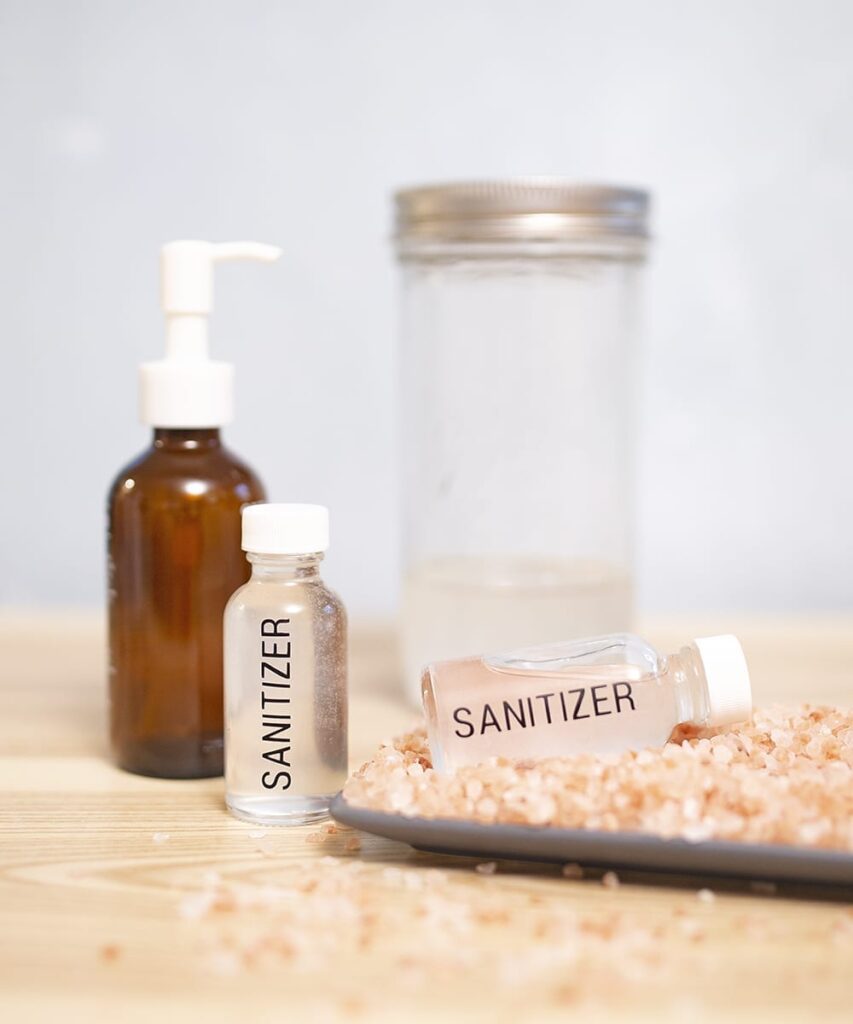
Are you looking for a natural and effective hand sanitizer to keep your hands clean and germ-free? Look no further! In this article, we’ll show you how to make a simple and powerful hand sanitizer at home using natural ingredients.
The Problem with Conventional Hand Sanitizers
Conventional hand sanitizers often contain harsh chemicals that can have negative effects on our skin and overall health. Some of the most common culprits include:
- Triclosan: An antibacterial agent linked to hormone disruption and liver problems.
- Artificial fragrances and dyes: Can cause skin irritation, allergic reactions, and other adverse effects.
Why Make Your Own Hand Sanitizer?
By making your own hand sanitizer at home, you can avoid exposing yourself to harsh chemicals and create a product that’s tailored to your specific needs. Plus, it’s easy and affordable!
The Benefits of Natural Ingredients
Our hand sanitizer recipe uses natural ingredients that are gentle on the skin and effective against germs. These include:
- Vodka: A natural antibacterial agent that’s also antiseptic.
- Aloe vera gel: Soothes and moisturizes the skin, reducing irritation and dryness.
- Lavender essential oil: Calming and refreshing, with antimicrobial properties.
- Tea tree essential oil: Natural antibacterial and antifungal agent.
The Recipe
Here’s what you’ll need to make our natural hand sanitizer:
- 1 cup vodka
- 2 tablespoons aloe vera gel
- 10-15 drops lavender essential oil
- 10-15 drops tea tree essential oil (optional)
Instructions
- Fill a small bottle with the vodka.
- Add the aloe vera gel and stir well.
- Add the lavender and tea tree essential oils (if using) and stir again.
- Close the bottle and shake well to combine.
Tips and Variations
- Use a diffuser to make it easier to spritz the hand sanitizer onto your hands.
- Experiment with different essential oil blends to create unique scents and benefits.
- Consider adding other natural ingredients, like coconut oil or baking soda, for added benefits.
Understanding the Science Behind Natural Hand Sanitizers
When choosing a natural hand sanitizer, it’s essential to understand what works well against germs and how the ingredients interact with your skin. Here are some key factors to consider:
- Antimicrobial properties: Look for ingredients that have been shown to effectively kill or inhibit the growth of microorganisms.
- pH level: A natural hand sanitizer should have a pH level close to neutral (around 5.5), which helps maintain the skin’s natural barrier function.
- Moisturizing properties: Choose ingredients that not only provide antimicrobial benefits but also moisturize and soothe the skin.
DIY Hand Sanitizer Variations
Here are some ideas for modifying our basic hand sanitizer recipe to suit your needs:
- Citrus-scented hand sanitizer: Replace lavender essential oil with lemon or orange essential oil for a refreshing twist.
- Aloe vera and tea tree oil blend: Increase the amount of aloe vera gel and add more tea tree essential oil for an enhanced antimicrobial effect.
- Coconut oil-based hand sanitizer: Replace vodka with coconut oil, which has natural antimicrobial properties.
Natural Ingredients for Hand Sanitizers
Here are some other natural ingredients you can use in your hand sanitizers:
- Glycerin: A humectant that helps retain moisture and soothe dry skin.
- Baking soda: A mild abrasive that helps remove dirt and germs without stripping the skin of its natural oils.
- Honey: A natural antimicrobial agent with antifungal properties.
Precautions and Side Effects
While our hand sanitizer recipe is generally considered safe, there are some precautions to keep in mind:
- Skin irritation: Some people may experience redness or itching after using a new skincare product. If this occurs, discontinue use and consult with a healthcare professional.
- Allergic reactions: Certain essential oils can cause allergic reactions. Always perform a patch test before using a new hand sanitizer.
Conclusion
Making your own natural hand sanitizer at home is a simple and effective way to keep your hands clean and germ-free while avoiding harsh chemicals. By understanding the benefits of natural ingredients, modifying our basic recipe, and considering potential side effects, you can create a customized hand sanitizer that meets your specific needs.
By following this guide, you’ll be well on your way to creating a natural hand sanitizer that’s both effective and gentle on your skin.


