
Introduction
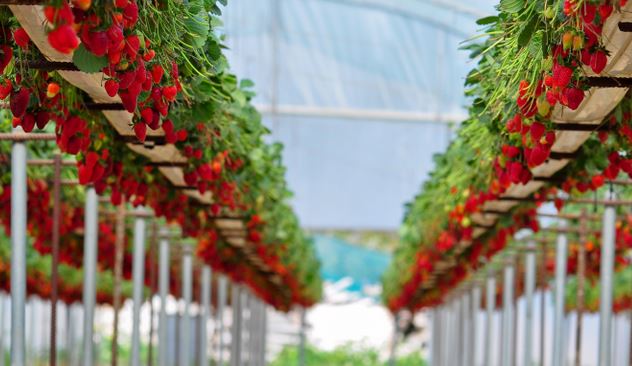
Strawberries are one of the most popular and sought-after fruits in the world. With their sweet taste, crunchy texture, and vibrant color, it’s no wonder why many gardeners and farmers strive to cultivate them efficiently and produce high-quality fruit. In this article, we will delve into the world of strawberry cultivation, covering the essential factors that contribute to a successful harvest.
Choosing the Right Variety
When it comes to choosing the right variety of strawberries for cultivation, there are two main options: plants with continuous flowering or plants with single flowering. The former offers a longer harvesting period throughout the year, while the latter provides a shorter but more concentrated fruiting season.
Continuous-flowering strawberry varieties, such as ‘Everbearing’ and ‘Day-Neutral’, produce flowers continuously, resulting in multiple harvests per year. These varieties are ideal for regions with mild winters, allowing for year-round production. On the other hand, single-flowering varieties like ‘June-Bearing’ produce a large crop of fruit all at once, typically in the spring or early summer.
Optimizing Exposure and Soil Conditions
To ensure optimal growth and fruit production, it’s crucial to provide strawberries with the right exposure and soil conditions. Strawberries require full sun to partial shade, depending on the climate and region. In areas with hot climates, such as the Mediterranean, it’s recommended to provide partial shade to prevent scorching.
Strawberries also prefer a well-draining soil with a medium consistency. Before planting, it’s essential to loosen the top 35 cm of soil to allow for better root growth and nutrient uptake. The ideal pH range for strawberries is between 5.5 and 6.5, slightly acidic to neutral. Adding organic matter like compost or manure can improve soil fertility and structure.
Planting Strawberry Plants
The ideal time to plant strawberry plants is between August and September, allowing for the first harvest in late spring. However, some nurseries offer pre-grown plants that can be planted in May or June. If starting from seeds, it’s recommended to sow them in early spring.
When planting strawberries, it’s essential to follow proper spacing guidelines. Strawberries are typically spaced 12-18 inches apart, depending on the variety. This allows for good air circulation and prevents overcrowding, which can lead to reduced yields and increased disease susceptibility.
Basic Care Requirements
To ensure optimal growth and fruit production, strawberries require regular watering but should avoid standing water, which can lead to root rot and other problems. Irrigation with a drip system or soaker hose is highly recommended to prevent overwatering and reduce the risk of diseases.
Another essential aspect of strawberry care is mulching, which helps retain moisture, suppress weeds, and regulate soil temperature. Organic materials like straw, bark chips, or coconut coir are ideal for mulching strawberries. Apply a 2-3 inch layer of mulch around the plants, keeping it a few inches away from the crown to prevent rot.
Controlling Pests and Diseases
Strawberries are susceptible to various pests and diseases, including aphids, slugs, powdery mildew, and birds. Regular monitoring and timely control measures can help prevent infestations and infections.
Pacciamura (covering the plants with a breathable material) is an effective method for controlling pests like birds, rabbits, and deer. However, it’s essential to use breathable materials like straw or coconut coir instead of plastic sheets to prevent overheating and damage to the plant.
For powdery mildew control, remove infected leaves and stems, and maintain good air circulation around the plants. Fungicides can be applied as a last resort, following the manufacturer’s instructions and taking necessary precautions to avoid harming beneficial insects.
Fertilization Strategies
To maximize fruit production, strawberries require regular fertilization. Organic fertilizers like fish emulsion or compost tea are excellent options for strawberry cultivation. These products promote healthy growth, improve soil structure, and boost yields.
In addition to organic fertilizers, some commercial fertilizers specifically designed for strawberries can be applied according to the manufacturer’s instructions. Regular fertilization schedules should be based on the plant’s growth stage, with more frequent applications during the fruiting period.
Additional Tips and Strategies
To further enhance strawberry cultivation, consider the following tips:
- Use raised beds or containers to improve drainage and soil structure.
- Practice crop rotation to reduce disease buildup and pests’ adaptation.
- Monitor weather patterns and adjust irrigation schedules accordingly.
- Train plants to grow upright or horizontally for better accessibility and yields.
By incorporating these strategies into your strawberry cultivation routine, you’ll be well on your way to producing high-quality fruit and enjoying the numerous benefits of this delicious and versatile crop.
Frequently Asked Questions
- What is the best time to plant strawberries?
The ideal time to plant strawberries is between August and September for a spring harvest or May/June for an early summer harvest. - How often should I water my strawberry plants?
Water your strawberry plants regularly, but avoid standing water, which can lead to root rot. Aim for about 1-2 inches of moisture per week. - What is the best mulch material for strawberries?
Organic materials like straw, bark chips, or coconut coir are ideal for mulching strawberries due to their breathability and ability to retain moisture. - How often should I fertilize my strawberry plants?
Regular fertilization is essential for maximizing fruit production. Aim for weekly applications during the growth stage and bi-weekly applications during the fruiting period. - What pests are commonly found on strawberries?
Common pests affecting strawberries include aphids, slugs, powdery mildew, and birds. - How can I prevent diseases in my strawberry plants?
Regular monitoring, proper watering, and good air circulation can help prevent diseases like powdery mildew. Use breathable mulches and avoid overwatering to minimize the risk of root rot. - Can strawberries be grown in containers?
Yes, strawberries can be grown in containers using well-draining potting mixes and regular fertilization. Choose varieties specifically bred for container cultivation. - How long does it take for strawberry plants to produce fruit?
Strawberry plants typically take 60-90 days to produce flowers after planting, with fruit production occurring within 30-40 days after flowering.
By following these guidelines and tips, you’ll be well on your way to cultivating delicious and healthy strawberries in your garden or greenhouse. Happy growing!


