
As we navigate the complexities of modern agriculture, it’s essential to recognize the significant contributions of Italy to the bio products sector. With over 50,000 certified organic farms and more than 1.17 million hectares of land dedicated to organic farming, Italy is the undisputed leader in Europe.
The Rise of Organic Farming in Italy
According to data from the International Federation of Organic Agriculture Movements (IFOAM), Italy ranks first among European countries in terms of the number of certified organic farms. This achievement has been recognized through the production of over 243 products with DOP, IGP, and STG labels, 521 wines with DOC, DOCG, and IGT certifications, and more than 4,600 regional specialties.
The Italian Bio Market: A $3 Billion Industry
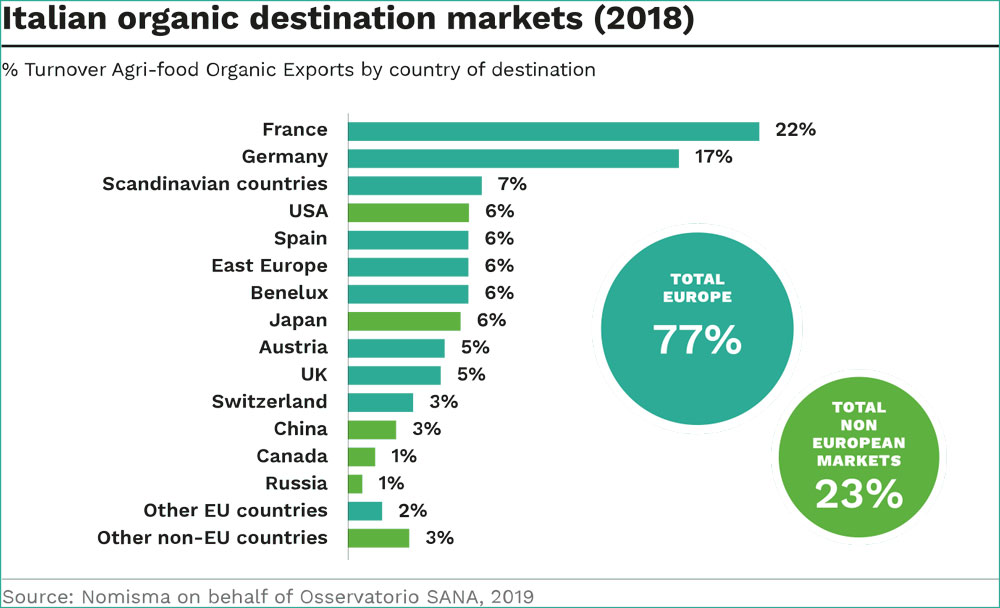
The Italian bio market is valued at an estimated $3 billion, with approximately $1.8 billion in sales of organic products sold through specialized retailers, supermarkets, direct sales by farms, and online platforms. The country’s agricultural biotechnology sector has maintained a strong presence on the international stage, becoming the world’s largest exporter of organic products with revenues exceeding $1 billion in 2010.
Direct Sales by Farmers: A Growing Trend
One of the most positive trends in Italy is the increasing number of farmers who sell their products directly to consumers through spacci aziendali (company stores) and local markets. There are over 2,000 such farms that offer direct sales to the public, providing consumers with a wide range of high-quality organic products.
Regional Consumption Patterns
While consumption patterns vary across different regions in Italy, there is a notable trend towards increased consumption of bio products in the North-West and North-East regions. According to recent data from ISMEA, even the Southern region has seen a significant increase in bio product consumption. Italy stands out as one of the world’s largest producers of organic vegetables, cereals, citrus fruits, and olive oil.
Other Italian Bio Products to Be Proud Of
Italy is renowned for its high-quality organic products beyond just foodstuffs. The country boasts an impressive range of wines, oils, and cheeses that have garnered numerous international accolades.
- Italy’s Prosecco wine is a popular choice among consumers, with over 70% of the global market share.
- Italian olive oil is known for its high quality, with many producers adhering to strict standards for production and labeling.
- Parmigiano-Reggiano cheese is another iconic Italian product that has gained international recognition for its rich flavor and nutritional benefits.
Growing Number of Restaurants Offering Organic Options
Another encouraging development is the growing number of restaurants offering organic options. With over 500 such establishments, particularly in central Italy and major cities, consumers can now enjoy a wider variety of bio products in their daily lives.
Environmental Benefits: Reduced Use of Chemical Fertilizers and Pesticides
One of the most significant benefits of Italy’s leading position in organic farming is the reduction in chemical fertilizers and pesticides. This shift towards sustainable agriculture practices not only supports environmental health but also contributes to a healthier food supply for consumers.
Innovative Agricultural Practices: A Key to Sustainability
Italy’s agricultural sector has seen significant advancements in recent years, driven by innovative practices that prioritize sustainability and environmental protection. Some of these initiatives include:
- Integrated Pest Management (IPM): This approach involves using a combination of techniques, such as crop rotation, biological control, and cultural practices, to minimize the use of chemical pesticides.
- Organic Farming: By adopting organic farming methods, farmers can reduce their reliance on synthetic fertilizers and pesticides, promoting soil health and biodiversity.
Conclusion
Italy’s dominance in the bio products sector is a testament to its commitment to sustainability, quality, and innovative agricultural practices. As consumers become increasingly aware of the importance of organic products, Italy’s leadership position will continue to inspire and guide the global agricultural community.
Frequently Asked Questions (FAQs)
- What percentage of land in Italy is dedicated to organic farming?
- Italy has more than 18.7% of its total agricultural land allocated for organic farming.
- How many certified organic farms are there in Italy?
- According to IFOAM data, Italy boasts over 50,000 certified organic farms.
- What is the estimated value of Italy’s bio market?
- The Italian bio market is valued at an estimated $3 billion.
- What percentage of food sold in Italy is organic?
- While exact figures are difficult to determine, it is estimated that a significant proportion of food sold in Italy is organic.
- Which regions in Italy have the highest consumption of bio products?
- The North-West and North-East regions are notable for their high levels of bio product consumption, although recent data suggests an increase in consumption patterns across other regions as well.
- What types of crops does Italy produce more than any other country in Europe?
- Italy stands out as one of the world’s largest producers of organic vegetables, cereals, citrus fruits, and olive oil.
- How many restaurants offer organic options in Italy?
- There are over 500 restaurants offering organic options across Italy, particularly in central regions and major cities.
- What is the significance of the reduction in chemical fertilizers and pesticides in Italian agriculture?
- The reduction in these substances supports environmental health and contributes to a healthier food supply for consumers, making sustainable agricultural practices increasingly important worldwide.


