
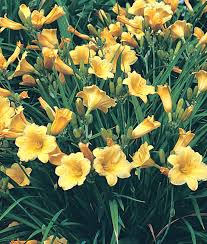
As you step into your garden or balcony, it’s hard not to be charmed by the vibrant colors and delicate petals of a Hemerocallis flower. These stunning blooms have been a favorite among gardeners for centuries, and it’s easy to see why. In this article, we’ll delve into the world of Hemerocallis, exploring its history, characteristics, cultivation, and most excitingly, its many varieties.
What is Hemerocallis?
Hemerocallis, also known as Daylily, is a genus of herbaceous perennials native to Asia. The name “Daylily” may have originated from the fact that these plants bloom only for a day, but in reality, they produce flowers continuously throughout the growing season. With over 70 species and thousands of hybrids, Hemerocallis is one of the most diverse and popular ornamental plants worldwide.
Hemerocallis: The Flower
The flower itself is a stunning sight to behold, with its trumpet-shaped blooms that open in the morning and close by evening. These flowers are highly prized for their vibrant colors, ranging from soft pastels to bold yellows and oranges. One of the most striking features of Hemerocallis flowers is their unique shape, which resembles an urn or a bell.
Characteristics
Hemerocallis plants have a unique characteristic that sets them apart from other flowering plants: they produce multiple stems with flowers on each one. This creates a continuous display of color throughout the growing season, making them a perfect choice for gardeners who want to add visual interest without the hassle of deadheading.
Cultivation
While Hemerocallis are relatively low-maintenance plants, there are some guidelines to follow to ensure they thrive:
- Lighting: These plants love full sun, but be mindful of the color intensity. If your flowers have a light pastel hue, they’ll need more direct sunlight.
- Soil: Hemerocallis prefer well-draining soil with a slightly acidic pH (around 6.0-7.0).
- Watering: Keep the soil consistently moist during the growing season, but avoid overwatering.
Hemerocallis lilioasphodelus
This variety is truly impressive, reaching heights of up to 2 meters and boasting an extensive root system. Its showy yellow flowers are a sight to behold, lasting around three days each and producing multiple blooms throughout the summer months.
The Many Varieties of Hemerocallis
With over 70 species and countless hybrids, it’s challenging to narrow down the most popular varieties. Here are some notable examples:
- Hemerocallis Fulva: Native to Europe, this plant reaches up to a meter in height and features bright yellow flowers with green foliage.
- Hemerocallis Thunbergii: Hailing from Japan, this variety boasts narrow, dark green leaves and vibrant yellow blooms.
- Aurantiaca: With its elegant appearance and lightly scented flowers, this plant is a favorite among gardeners. Its blooms are a stunning mix of yellow and orange hues.
Growing Conditions
While Hemerocallis can thrive in various conditions, there are some specific requirements to keep in mind:
- Temperature: Most Hemerocallis varieties prefer temperatures between 65°F (18°C) and 85°F (29°C).
- Humidity: These plants prefer moderate humidity levels, around 40-60%.
- Winter protection: In colder climates, provide some protection from extreme cold and wind to ensure the plant’s health.
Care and Maintenance
To keep your Hemerocallis plants thriving, follow these care tips:
- Fertilization: Feed your Hemerocallis with a balanced fertilizer during the growing season.
- Pruning: After blooming, cut back any dead or damaged foliage to maintain plant health and encourage new growth.
- Pest control: Regularly inspect for pests like aphids, slugs, and snails, and treat promptly if necessary.
- Soil pH testing: Periodically test your soil pH to ensure it’s within the optimal range.
Propagation
One of the most exciting aspects of Hemerocallis is its ability to propagate through division or seed:
- Division: Separate healthy roots from mature plants, making sure each section has at least one “eye” (the growing point).
- Seed propagation: Sow seeds indoors in a nursery tray filled with a well-draining seed starting mix. Keep the soil moist and provide adequate light.
Common Problems
While Hemerocallis are relatively low-maintenance plants, there are some common issues to watch out for:
- Root rot: Avoid overwatering, which can lead to root rot.
- Leaf scorch: Protect your plants from extreme heat or sun exposure.
- Pests and diseases: Regularly inspect your plants for signs of pests or disease.
Conclusion
As we conclude our journey through the world of Hemerocallis, it’s clear that these plants have stolen the hearts of many. Whether you’re a seasoned gardener or just starting out, there’s never been a better time to explore the beauty and versatility of this incredible genus.
FAQs
- What is the typical lifespan of a Hemerocallis plant?
- With proper care, a well-maintained Hemerocallis can live for up to 10-15 years.
- How often should I deadhead my Hemerocallis plants?
- Deadheading is not necessary, as Hemerocallis blooms continuously throughout the growing season.
- Can I grow Hemerocallis in containers or do they prefer in-ground planting?
- Both options are viable, but ensure that the container has good drainage and provides sufficient light for optimal growth.
- How do I protect my Hemerocallis plants from pests and diseases?
- Regularly inspect your plants, remove any debris or dead foliage, and treat any infestations promptly to prevent damage.
- Can I propagate my Hemerocallis plants using division or seed?
- Division is a recommended method for propagating Hemerocallis, as it allows for the separation of healthy roots while minimizing stress on the plant.
There you have it! With these tips and insights, you’re ready to embark on your own journey with Hemerocallis. Happy gardening!


