
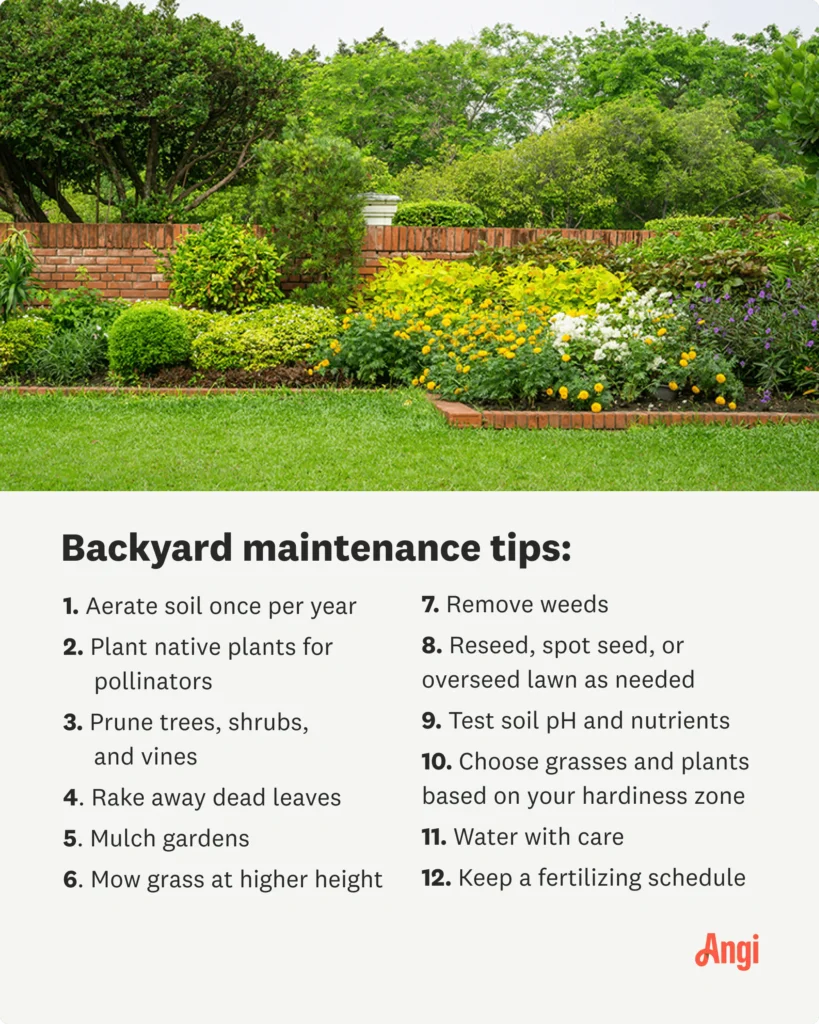
Lawn care is an essential aspect of maintaining a beautiful and healthy outdoor space. However, it can be overwhelming to navigate the various tasks involved in lawn care, especially with different seasons bringing unique challenges. In this article, we’ll delve into the world of lawn care, exploring seasonal tips, techniques, and best practices to ensure your lawn thrives throughout the year.
Understanding Lawn Care
Lawn care involves a range of interventions, each tailored to address specific needs during different times of the year. From removing moss to fertilizing, mowing, and irrigation, these tasks require attention to detail and a thorough understanding of your grass type and climate.
Seasonal Lawn Care Strategies
Before diving into seasonal lawn care strategies, it’s essential to understand that different seasons bring unique challenges and opportunities for your lawn.
-
Summer: During the hot months, you may not need to increase mowing and irrigation work. However, proper fertilization and irrigation are crucial to prevent drought stress.
In summer, focus on maintaining a healthy water balance by monitoring soil moisture levels. Avoid overwatering, which can lead to shallow roots and reduced grass density. -
Autumn: In autumn, you’ll want to prepare your lawn for winter by applying a layer of mulch or fertilizer. Regular mowing and irrigation will also help maintain the health and appearance of your lawn.
During autumn, cool-season grasses such as Kentucky bluegrass, perennial ryegrass, and tall fescue can benefit from fertilization. Apply a slow-release fertilizer in early fall to promote root growth and hardiness. -
Winter: During the cold months, it’s essential to minimize maintenance, focusing on monitoring growth and avoiding damage from extreme temperatures.
In winter, reduce mowing frequency and avoid using machinery that may compact soil. Use a snow blower or shovel to remove snow, taking care not to create bare spots.
Raking Techniques
Before we dive into seasonal lawn care strategies, let’s explore how to rake a lawn effectively. Raking is an essential task that helps remove debris and maintains soil health. Before raking, make sure to clean the lawn of leaves or twigs. Avoid raking when the soil is too wet, as this can cause compaction.
To optimize your raking technique:
- Rake in the direction of grass growth: This will help prevent tearing the blades.
- Remove debris gradually: Divide your lawn into smaller sections and rake each one separately to avoid overloading your mower or rake.
Fertilization Strategies
Proper fertilization is essential for maintaining a healthy and vibrant lawn. Fertilizers provide essential nutrients, promoting growth and development.
To optimize fertilizer application:
-
Apply at the right time: March-April is an ideal time to apply fertilizers.
In spring, use a balanced fertilizer with nitrogen (N), phosphorus (P), and potassium (K) to promote healthy growth. Cool-season grasses benefit from higher nitrogen levels in early spring. -
Choose the right type: Ready-to-use or slow-effecting fertilizers can cater to different lawn needs.
In autumn, use a slow-release fertilizer that provides nutrients throughout the growing season. This helps maintain soil health and promotes root growth. -
Follow instructions: Apply fertilizers immediately after mowing and avoid overfertilization.
Overfertilization can lead to weak or unhealthy grass, so it’s essential to follow application guidelines carefully.
Removing Moss
Moss on your lawn can be a pesky problem, especially in shaded areas with moist soil. Removing moss requires attention to detail and the right technique.
To remove moss:
-
Apply iron sulfate solution: Mix 20-25 grams of iron sulfate per liter of water.
The acid in iron sulfate helps lower the pH of the soil, making it less hospitable to moss growth. -
Distribute the solution evenly: Use a spreader or manually apply the solution to affected areas.
Make sure to cover the entire area evenly, taking care not to miss any spots. -
Monitor progress: Wait for 2-3 days before removing moss with rakes.
Moss should start to die back after applying the iron sulfate solution. Use a rake to gently remove dead moss and debris.
Tips and Tricks
Here are some additional tips to help you optimize your lawn care routine:
-
Regularly inspect your lawn: Monitor growth, temperature, and moisture levels to identify potential issues early on.
Regular inspections can help you catch problems like pests, diseases, or nutrient deficiencies before they become major issues. -
Maintain a consistent mowing schedule: Regular mowing helps prevent overgrowth and maintains an even appearance.
Aim to mow your lawn at the recommended height for your grass type. For cool-season grasses, this is usually 2-3 inches tall. -
Water wisely: Avoid overwatering, which can lead to shallow roots and reduced grass density.
Water deeply but infrequently to encourage deep root growth and make your lawn more drought-resistant.
Conclusion
Optimizing lawn care is a seasonal process that requires attention to detail and the right techniques. By understanding your lawn’s needs, selecting the right fertilizers, and removing moss effectively, you’ll be well on your way to maintaining a lush and healthy outdoor space.


