
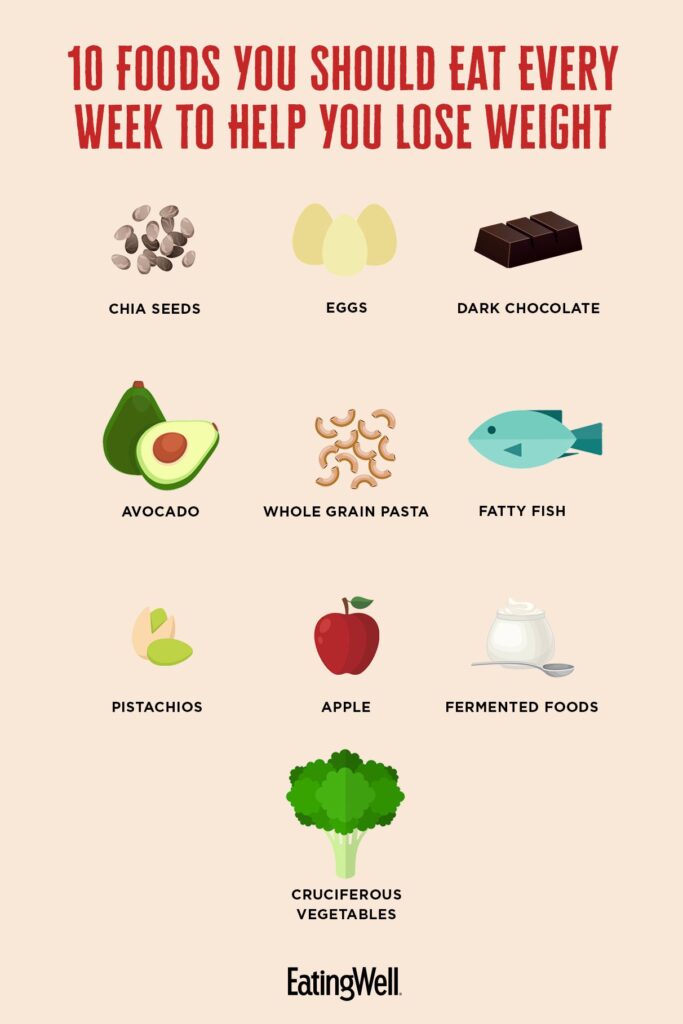
Are you tired of fad diets and quick fixes? Do you want to learn how to lose weight in a healthy and sustainable way? Look no further! Eating your way to weight loss is not just about cutting back on calories, but about nourishing your body with the right foods at the right time.
In this article, we’ll explore the ultimate guide to eating for weight loss. We’ll cover the basics of how to lose weight, what foods to eat and avoid, and provide you with practical tips and tricks to help you achieve your weight loss goals.
What’s Wrong with Traditional Diets?
Before we dive into the good stuff, let’s talk about why traditional diets often fail. When it comes to losing weight, most of us are misled by the idea that eating less is the only way to go. But this approach can lead to nutrient deficiencies, fatigue, and a weakened metabolism.
The problem with restrictive diets is that they don’t take into account your individual nutritional needs. When you cut back on calories too much, your body starts to break down muscle mass to use for energy. This can slow down your metabolism and make it harder to lose weight in the long run.
How to Eat Your Way to Weight Loss
So, what’s the secret to eating your way to weight loss? Here are some key takeaways:
- Focus on whole foods: Whole, unprocessed foods like vegetables, fruits, lean proteins, and whole grains should make up the bulk of your diet.
- Eat more frequently: Eating smaller, frequent meals can help keep your metabolism boosted and reduce hunger pangs.
- Choose low-calorie options: Opt for low-calorie versions of your favorite foods, such as salads instead of fries or baked chicken instead of fried.
The Benefits of Low-Calorie Foods
When it comes to low-calorie foods, there are many options to choose from. Here are some of the most nutritious and delicious ones:
- Leafy greens: Spinach, kale, collard greens, and other leafy greens are packed with vitamins, minerals, and antioxidants.
- Cruciferous vegetables: Broccoli, cauliflower, and Brussels sprouts contain sulforaphane, which has been shown to have anti-inflammatory properties.
- Berries: Berries like blueberries, strawberries, and raspberries are rich in antioxidants and fiber.
How to Boost Your Metabolism
Boosting your metabolism is key to losing weight. Here are some tips to help you get started:
- Exercise regularly: Regular exercise can increase your resting metabolic rate (RMR) and burn more calories throughout the day.
- Get enough sleep: Lack of sleep can slow down your metabolism, so aim for 7-8 hours of sleep per night.
- Stay hydrated: Drinking plenty of water can help boost your metabolism and support weight loss.
Additional Tips for Weight Loss
Here are some additional tips to help you on your weight loss journey:
- Eat more protein: Protein takes more energy to digest than carbohydrates or fat, which can help increase your metabolism.
- Incorporate healthy fats: Healthy fats like avocado, nuts, and seeds can help keep you full and support weight loss.
- Drink plenty of water: Staying hydrated is essential for overall health and weight loss.
Conclusion
Eating your way to weight loss is not just about cutting back on calories; it’s about nourishing your body with the right foods at the right time. By focusing on whole foods, eating more frequently, choosing low-calorie options, and boosting your metabolism, you can achieve your weight loss goals in a healthy and sustainable way.
Frequently Asked Questions
Here are some common questions people have when it comes to eating for weight loss:
- How much protein should I eat?
- Aim for 0.8-1 gram of protein per pound of body weight per day.
- What’s the best way to boost my metabolism?
- Regular exercise, getting enough sleep, and staying hydrated can help increase your RMR.
- How often should I eat?
- Eating smaller, frequent meals can help keep your metabolism boosted and reduce hunger pangs.
- What’s the best way to lose weight in a healthy and sustainable way?
- Focus on whole foods, choose low-calorie options, and boost your metabolism for long-term weight loss success.
Eating Your Way to Weight Loss: A Sample Meal Plan
Here’s an example of what a day’s worth of meals might look like:
- Breakfast: Overnight oats with fruit and nuts
- 1 cup rolled oats
- 1/2 cup unsweetened almond milk
- 1/2 banana, sliced
- 1 tablespoon chopped walnuts
- Snack: Carrot sticks with hummus
- 4-5 carrot sticks
- 2 tablespoons hummus
- Lunch: Grilled chicken breast with roasted vegetables and quinoa
- 4 oz grilled chicken breast
- 1 cup mixed roasted vegetables (such as broccoli, cauliflower, and Brussels sprouts)
- 1/2 cup cooked quinoa
- Snack: Apple slices with almond butter
- 1 medium apple, sliced
- 2 tablespoons almond butter
- Dinner: Baked salmon with sweet potato and green beans
- 4 oz baked salmon
- 1 medium sweet potato, baked
- 1 cup steamed green beans
Tips for Sticking to Your Meal Plan
Here are some tips to help you stick to your meal plan:
- Plan ahead: Take some time each week to plan out your meals and make a grocery list.
- Shop smart: Stick to whole foods and avoid processed snacks.
- Stay hydrated: Drink plenty of water throughout the day.
- Get enough sleep: Aim for 7-8 hours of sleep per night.
By following these tips and eating your way to weight loss, you can achieve your goals in a healthy and sustainable way. Remember to focus on whole foods, eat more frequently, choose low-calorie options, and boost your metabolism for long-term success.


