
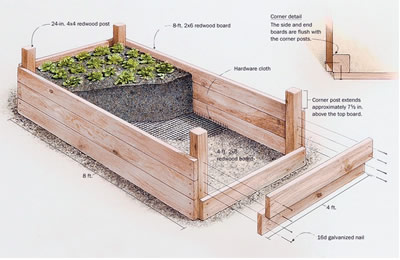
Building an raised bed garden is a great way to grow your own food and enjoy the benefits of gardening. In this article, we’ll explore why raised beds are popular, their anatomy, and how to choose the right materials.
Why Build a Raised Bed Garden?
There are several reasons why you might want to build an raised bed garden:
- To create a frost-free environment: raised beds allow for better air circulation and warmth, making it easier to grow plants year-round.
- To improve drainage: the well-draining nature of raised beds reduces the risk of waterlogged soil.
- To increase crop yields: studies have shown that raised bed gardens can produce yields up to four times higher than traditional gardens.
The Anatomy of a Raised Bed Garden
A raised bed garden is essentially a container garden elevated above the ground. It’s often used as an extension of a traditional garden, but can also be built in small spaces like balconies or patios.
Three key factors contribute to the success of raised bed gardens:
- Soil Structure: The soil in a raised bed garden is typically more porous and soft, allowing for better root growth.
- Light Exposure: Raised beds receive more sunlight, making them ideal for crops that require direct sunlight.
- Maintenance: Raised bed gardens require less maintenance than traditional gardens, as they are easier to access and tend.
Choosing the Right Materials
When it comes to building a raised bed garden, you’ll need to choose the right materials. Some popular options include:
- Wood
- Stone
- Metal
Regardless of the material you choose, make sure it’s durable and easy to clean.
A Brief History of Raised Bed Gardens
Raised bed gardens have been around for centuries. In fact, the term “porca” was used in Italy to describe a type of raised bed garden that was often built between two rows of crops.
Today, raised bed gardens are a popular choice for urban gardeners and those looking to grow their own food.
Getting Started
Building an raised bed garden is easier than you might think. Here’s a step-by-step guide:
- Choose your materials
- Build the frame: Use a combination of wood, stone, or metal to create the structure.
- Add soil and plants: Fill the raised bed with a mix of topsoil, compost, and perlite for optimal drainage.
Some final tips to keep in mind:
- Make sure your raised bed garden is level and secure
- Use a trellis or other support system to train climbing plants
- Keep your raised bed garden well-maintained to ensure healthy plant growth
Frequently Asked Questions
Here are some answers to common questions about raised bed gardens:
- Q: How much does it cost to build a raised bed garden?
A: The cost of building a raised bed garden depends on the materials you choose and the size of your garden. - Q: Can I grow vegetables in a raised bed garden?
A: Yes, raised beds are ideal for growing a variety of vegetables, including tomatoes, peppers, and cucumbers. - Q: How much space do I need to build a raised bed garden?
A: You can build a raised bed garden anywhere, from a small balcony to a large backyard. - Q: Can I use recycled materials for my raised bed garden?
A: Yes, using recycled materials is a great way to reduce waste and create an eco-friendly garden. - Q: How often should I water my raised bed garden?
A: The frequency of watering depends on the climate and type of plants you’re growing. Make sure to check the soil moisture regularly to avoid overwatering.
Common Materials Used in Raised Bed Gardens
Here are some common materials used in raised bed gardens:
- Wood: Cedar, pine, and cypress are popular choices for raised bed gardens due to their durability and resistance to rot.
- Stone: Stone can be used as a material for raised beds, providing excellent drainage and stability. Popular options include bluestone, fieldstone, and flagstones.
- Metal: Metal raised beds can be made from aluminum, steel, or recycled materials. They offer excellent durability and can be easily cleaned.
Tips for Choosing the Right Materials
When choosing materials for your raised bed garden, consider the following tips:
- Durability: Choose materials that can withstand the elements and heavy use.
- Aesthetics: Consider the color and texture of the materials to ensure they complement your garden design.
- Maintenance: Select materials that are easy to clean and maintain.
Types of Raised Bed Gardens
There are several types of raised bed gardens, including:
- Traditional Raised Beds: These are the most common type of raised bed garden. They’re made from wood, stone, or metal and have a rectangular shape.
- Vertical Raised Beds: These raised beds are designed to maximize space and can be built using materials like wood or metal.
- Container Raised Beds: These raised beds use containers instead of soil and plants, making them ideal for small spaces.
Designing Your Raised Bed Garden
When designing your raised bed garden, consider the following tips:
- Space Planning: Make sure to plan your space carefully to ensure that your plants have enough room to grow.
- Soil Depth: Choose a depth that’s suitable for the type of plants you’re growing. Most vegetables and herbs require a minimum of 6-8 inches of soil depth.
- Sunlight: Consider the amount of sunlight your raised bed garden will receive. Most vegetables and herbs require at least 6 hours of direct sunlight per day.
Maintenance Tips for Raised Bed Gardens
Here are some maintenance tips to keep in mind:
- Watering: Check the soil moisture regularly to avoid overwatering.
- Fertilization: Fertilize your plants regularly to promote healthy growth.
- Pruning: Prune your plants regularly to maintain their shape and promote fruiting.
By following these tips, you’ll be able to create a thriving raised bed garden that will provide you with fresh produce all season long!


