
Introduction
The red grouse (Alectoris rufa) is a fascinating bird species that has garnered significant attention in recent years due to its declining population and habitat destruction. In this article, we will delve into the world of the red grouse, exploring its habitat, distribution, behavior, and conservation status.
What is the Red Grouse?
The red grouse is a medium-sized bird species belonging to the Phasianidae family. It has five subspecies, each with distinct characteristics and habitats. The Italian subspecies (Alectoris rufa rufa) can be found in France, Corsica, Elba Island, and northern Italy.
Habitat and Distribution
The red grouse is a sedentary bird species that inhabits open spaces such as grasslands, heathlands, and moors. Its habitat is characterized by dry soils, rocky outcrops, and scattered trees. The species can be found in rural areas, particularly in regions with low vegetation cover.
Physical Characteristics
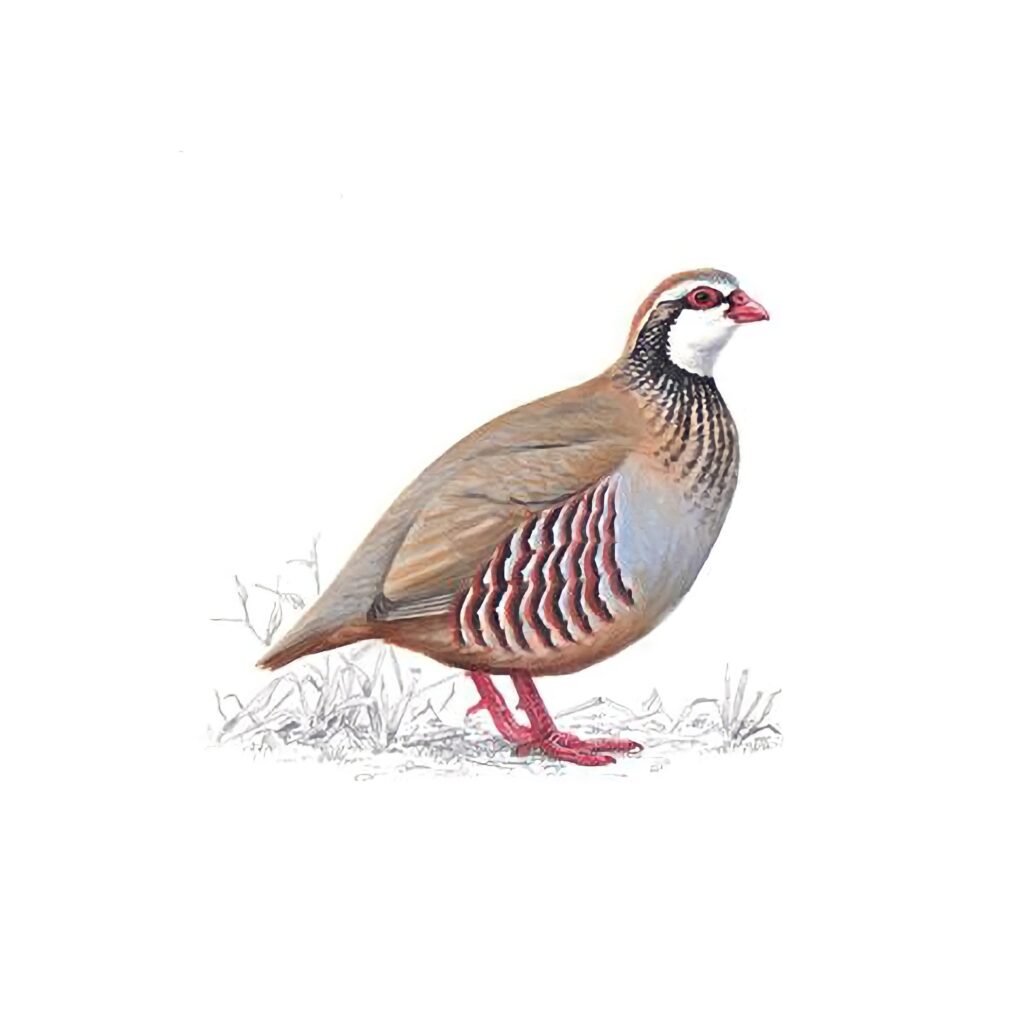
The red grouse measures between 33-38 cm in length, weighing approximately 450 grams. It has a robust neck, short tail, and slightly curved beak. Its most distinctive feature is its intense reddish-brown plumage, which gives it its name.
Sexing the Bird
One of the key ways to identify a red grouse is by examining its physical characteristics. Males have a prominent black venation on their breast, which becomes more pronounced during the breeding season. Females lack this characteristic and are identified by their shorter tail length and smaller wings.
Reproduction and Breeding
Red grouse breeding typically begins in January-February, with males engaging in fierce displays to attract females. Once paired, males leave their mates after successful mating, seeking out new partners for the next breeding season. Females begin constructing nests in April-May, often using existing cavities or creating new ones.
Conservation Status
The red grouse is listed as a species of “Least Concern” by the IUCN Red List, but its population has been declining due to habitat loss and fragmentation. The species is threatened by agricultural intensification, urbanization, and climate change.
Agricultural Intensification and Habitat Loss
One of the main threats to the red grouse is agricultural intensification, which leads to habitat destruction and fragmentation. The use of intensive farming practices, such as monoculture and intensive land management, has resulted in the loss of open spaces and the degradation of habitats essential for the species.
Urbanization and Climate Change
Urbanization and climate change also pose significant threats to the red grouse population. As urban areas expand, natural habitats are destroyed or fragmented, making it difficult for the species to find suitable breeding and foraging grounds. Climate change further exacerbates these issues by altering food availability and breeding habits.
Conservation Efforts
To combat the decline of the red grouse population, conservation efforts are underway to protect its habitat and promote sustainable management practices. These include:
- Habitat restoration: Restoring degraded habitats and creating new ones is essential for maintaining a healthy population.
- Sustainable hunting practices: Encouraging eco-friendly hunting practices, such as using non-lethal methods and limiting the number of birds harvested, can help reduce hunting pressures.
- Education and awareness: Raising awareness about the species’ plight and promoting education on sustainable management practices can inspire individuals to take action.
Allevation and Commercial Hunting
Red grouse are farmed for sport shooting, with many reserves established for conservation purposes. However, this practice can be detrimental to the species if not managed sustainably. Efforts should focus on reducing habitat destruction and promoting eco-friendly hunting practices.
Distribution in Italy
The red grouse can be found in northern Italy, particularly in the Apennine regions of Liguria, Tuscany, and Elba Island. The species is relatively rare in these areas, but conservation efforts are underway to protect its habitat and population.
Allevement and Management Practices
Red grouse are often farmed for sport shooting, with many reserves established for conservation purposes. However, this practice can be detrimental to the species if not managed sustainably. Efforts should focus on reducing habitat destruction and promoting eco-friendly hunting practices.
Conservation Challenges
The red grouse faces several challenges, including:
- Habitat loss and fragmentation due to agricultural intensification and urbanization
- Climate change, which affects food availability and breeding habits
- Hunting pressures, which can lead to population decline if not managed sustainably
Conclusion
The red grouse is an fascinating bird species that requires urgent conservation attention. Efforts should focus on protecting its habitat, reducing hunting pressures, and promoting sustainable management practices.
Frequently Asked Questions (FAQs)
- Q: Where can I find the red grouse?
A: The red grouse can be found in northern Italy, particularly in the Apennine regions of Liguria, Tuscany, and Elba Island. - Q: What is the main threat to the red grouse population?
A: Habitat loss and fragmentation due to agricultural intensification and urbanization are major threats to the species. - Q: How do I identify a male from a female red grouse?
A: Males have a prominent black venation on their breast, while females lack this characteristic and are identified by their shorter tail length and smaller wings. - Q: What is the average lifespan of a red grouse?
A: The average lifespan of a red grouse is around 5-7 years in the wild. - Q: Is the red grouse endangered?
A: The red grouse is listed as a species of “Least Concern” by the IUCN Red List, but its population has been declining due to habitat loss and fragmentation. - Q: Can I harm the red grouse with my camera?
A: No, it is illegal to intentionally harm or kill the red grouse with your camera or any other device. - Q: How can I help protect the red grouse population?
A: You can support conservation efforts by donating to reputable organizations, spreading awareness about the species’ plight, and promoting sustainable hunting practices. - Q: Can I see the red grouse in person?
A: Yes, you can spot the red grouse in their natural habitat during guided tours or conservation events.
Conservation Organizations
Several organizations are working tirelessly to protect the red grouse population and its habitat. Some of these organizations include:
- The Red Grouse Trust
- The Wildlife Conservation Society (WCS)
- The RSPB (Royal Society for the Protection of Birds)
These organizations offer various ways to get involved, such as donating to their cause, spreading awareness about the species’ plight, and supporting conservation efforts.
Conclusion
In conclusion, the red grouse is an fascinating bird species that requires urgent conservation attention. Efforts should focus on protecting its habitat, reducing hunting pressures, and promoting sustainable management practices. By working together, we can ensure the long-term survival of this magnificent species.


