
As a gardener, transplanting plants is an essential cultural practice that gives young piantines a permanent home in your garden or on your balcony. However, even a simple operation like plant transplantation requires some useful precautions. In this article, we’ll explore the key considerations for successful plant transplants and provide you with a step-by-step guide.
Understanding Plant Transplantation
Plant transplantation is an art that requires attention to detail and a bit of care. While it may seem straightforward, there are many factors to consider to ensure the health and well-being of your plants. In this article, we’ll delve into the world of plant transplantation, exploring its benefits, challenges, and best practices.
Choosing the Right Time
Timing is everything when it comes to plant transplantation. If you transplant too early, the soil may not be warm enough, leading to frost damage. On the other hand, if you wait too long, the roots may have grown too deeply, making it difficult for the plants to establish themselves.
To avoid these common pitfalls, choose a time that is suitable for your specific climate and plant species. Generally, spring and fall are the best times for plant transplantation, as the weather is mild and there is ample moisture in the soil.
Preparing Your Plants
Before transplanting, make sure your plants have at least 4-5 leaves and a well-developed root system. This will ensure that they can establish themselves quickly and thrive in their new environment.
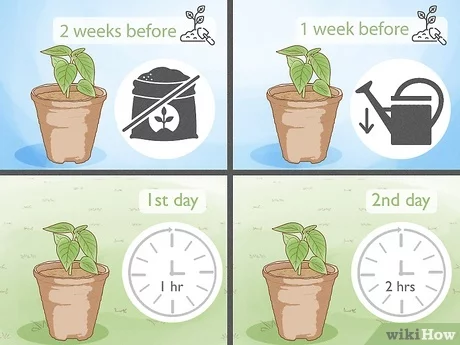
To prepare your plants for transplantation, water them lightly a day or two before the process to soften the soil and make it easier to handle. You can also add a layer of compost or fertilizer to the soil to give your plants a nutrient boost.
The Transplantation Process
Now that you’ve prepared your plants and chosen the right time, it’s time to begin the transplantation process. Here are the steps to follow:
- Dig a hole: Dig a hole that is twice as wide and just as deep as the root ball of your plant.
- Remove the plant from its container: Gently remove the plant from its container or pot, taking care not to damage the roots.
- Trim the roots (optional): If the roots are circling or growing in a tangled mess, you may need to trim them back to encourage new growth.
- Place the plant in the hole: Position the plant in the center of the hole, making sure the crown (where the stem meets the roots) is level with the soil surface.
- Fill the hole: Fill the hole with a mix of soil and compost or fertilizer, gently firming it around the roots as you go.
- Water thoroughly: Water your plant thoroughly after transplantation to settle the soil and provide enough moisture to support establishment.
Post-Transplant Care
After transplanting, it’s essential to provide your plants with proper care to ensure they establish themselves quickly and thrive in their new environment. Here are some tips:
- Keep the soil moist: Keep the soil consistently moist during the first few weeks after transplantation.
- Provide adequate light: Make sure your plants receive sufficient light, as this will help them grow and develop.
- Monitor temperature: Be aware of the temperature fluctuations in your area and provide protection for your plants if necessary.
Plant-Specific Considerations
Some plants require more care than others when it comes to transplantation. For example:
- Deep-rooted vegetables: Plants like carrots, beets, and parsnips require deeper soil to accommodate their taproots.
- Surface-dwelling plants: Plants like lettuce, spinach, and herbs prefer well-draining soil and should be transplanted on the surface.
Common Mistakes to Avoid
When transplanting plants, there are several common mistakes that can lead to failure. Here are some of the most frequent errors:
- Transplanting too early or too late: Make sure you choose a time that is suitable for your specific climate and plant species.
- Damaging the roots: Handle the roots gently when transplanting, as damaging them can cause the plant to decline.
- Over- or under-watering: Keep the soil consistently moist but not waterlogged during the first few weeks after transplantation.
Conclusion
Plant transplantation is an art that requires attention to detail and a bit of care. By following these guidelines and taking the time to prepare your plants and choose the right time for transplantation, you can ensure a successful transplant and give your plants the best chance to thrive in their new environment.
By avoiding common mistakes and providing proper post-transplant care, you can enjoy the rewards of gardening with confidence. Whether you’re a seasoned gardener or just starting out, plant transplantation is an essential skill that will help you grow and nurture healthy, thriving plants for years to come.
Additional Tips and Considerations
Here are some additional tips and considerations to keep in mind when transplanting plants:
- Use a trellis: Provide support for climbing plants by using a trellis or other structural element.
- Monitor for pests and diseases: Keep an eye out for signs of pests and diseases, and take action promptly if necessary.
- Keep the soil fertile: Add compost or fertilizer regularly to maintain healthy soil fertility.
- Mulch around the plants: Mulching can help retain moisture, suppress weeds, and regulate soil temperature.
By incorporating these additional tips and considerations into your transplanting routine, you’ll be well on your way to creating a thriving and productive garden that will bring joy and satisfaction for years to come.


