
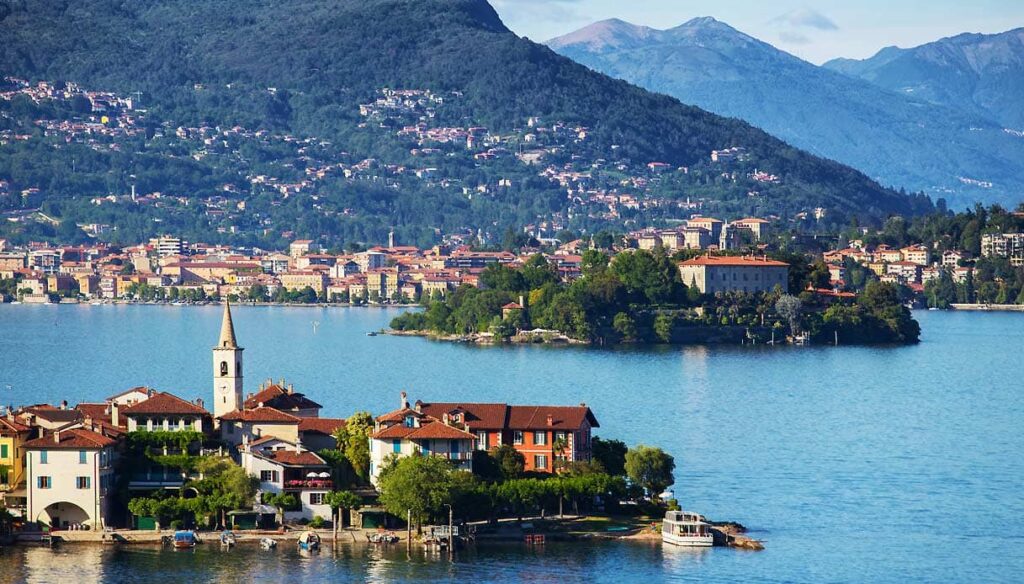
Traveling is one of the most beautiful activities we can dedicate ourselves to. Traveling amidst the natural heritage that our extraordinary planet offers us is even more so. Over the past few years, it’s not surprising that the number of people embarking on eco-tourism vacations has been steadily increasing.
Eco-tourism is becoming increasingly popular and is likely to continue growing in the coming years. In this article, we’ll delve into eco-tourism in Piedmont, exploring five must-visit destinations.
Content Highlights
- Eco-Tourism in Piedmont
-
- Ecotourism in the Gran Paradiso National Park
-
- Ecotourism in the Valle Maira Valley
-
- Ecotourism in Valchiusella
-
- Ecotourism in the Valle Varaita Valley
-
- Eco-Tourism in the Langhe and Roero
Eco-Tourism in Piedmont
We’ve previously explored eco-tourism in Lombardy, Umbria, and Puglia. Now we’re focusing on Piedmont, a region that offers a range of proposals for this type of tourism centered around sustainability.
Piedmont is the fifth-largest region in Italy, covering an area of 25,399 square kilometers (9,775 sq mi). It shares borders with France, Switzerland, and Liguria. The capital city is Turin, one of the most important cities in the country, known for its stunning architecture, museums, and historical landmarks.
The region’s diverse geography ranges from the low-lying Po Valley to the Alps, including the Gran Paradiso massif. Piedmont is also home to numerous rivers, lakes, and canals that have played a significant role in its economic development.
Piedmont has made considerable efforts to promote sustainable tourism practices, with an emphasis on preserving its natural resources, cultural heritage, and gastronomic traditions.
1. Ecotourism in the Gran Paradiso National Park
The Gran Paradiso National Park is one of the greenest areas in our country and our oldest national park, established in 1922. Located at the border between Piedmont and Valle d’Aosta surrounding the massif of the Gran Paradiso, the park preserves a wide range of habitats: prairies, rocky environments, forests, and agricultural areas.
The fauna in the park is characterized by the ibex, which serves as its emblem. However, the area is also teeming with other wildlife species such as camels, marmots, wolves, tassins, ermines, hares, martens, and faine. Along the walking trails, trekking enthusiasts may encounter, for example, camels, marmots, wolves, tassins, ermines, hares, martens, and faine.
Birdwatching is also a popular activity in the park, with frequent sightings of birds of prey like eagles, gypets, kestrels, owls, hawks, storks, and other species. The park’s diverse ecosystems are home to numerous varieties of reptiles, amphibians, and insects.
Unparalleled natural beauty makes this place a paradise for those who love nature the most.
2. Ecotourism in the Valle Maira Valley
The Valle Maira is a true temple of eco-tourism in Piedmont. We’re facing a verdant valley that appears even more impressive from a number of perspectives and seems still very wild. This makes it all the more appealing to those who love immersing themselves in natural settings that have preserved their original splendor.
The Valle Maira is a paradise for hiking and trekking enthusiasts, offering a wide range of options ranging from easy strolls suitable for families to challenging multi-day treks. The valley also features breathtaking alpine lakes or peaks that exceed 3,000 meters.
Furthermore, the valley offers more challenging mountain biking routes through its extensive network of dirt roads, forest trails, and military roads, as well as specifically designated bike paths in the woods, pastures, and along the crests of the Western Alps.
Biking enthusiasts will also enjoy exploring the stunning scenery in these rolling hills.
3. Ecotourism in Valchiusella
Valchiusella, which gets its name from the valley’s main river, is a natural gem nestled among the Graian Alps. The lower part of the valley is dotted with hills covered in mainly castanet and oak woods.
This picturesque area is home to an enchanting network of lakes.
The southern end of Valchiusella features the unique Pelat Mountains, which have been designated as a Special Nature Reserve. Hiking enthusiasts can explore the lush meadows and alpine pastures that characterize this Piedmontese valley.
One must-visit spot in Valchiusella is the Cascata del Ribordone, also known as the Fondo Waterfall. The waterfall is situated beneath an ancient stone bridge and offers a refreshing respite from the summer heat, drawing many visitors who come to swim in its crystal-clear waters and enjoy the surrounding scenic beauty.
4. Ecotourism in the Valle Varaita Valley
The Valle Varaita is the southernmost of the Saluzzo valleys. This green Piedmontese valley allows tourists to immerse themselves in a lush vegetation.
The valley is also famous for its stunning views of Mount Viso, and it’s equally impressive when looking at the picturesque villages that dot the landscape with an unmistakable Occitan character.
One of the natural wonders of the Valle Varaita is the Bosco dell’Alevè Forest, which has been designated as a Site of Community Interest (SIC) due to its ecological importance. The forest is characterized by its massive presence of Cembro Pine trees, Europe’s only native five-needled pine tree, renowned for its prized timber used mainly in sculptures.
5. Eco-Tourism in the Langhe and Roero Regions
The picturesque vineyards of the Langhe and Roero regions have been named a UNESCO World Heritage Site. This area is ideal for hiking and cycling, especially during spring and autumn when the colors are most vibrant. There are numerous trails to explore through these rolling hills.
One popular route in these wine country regions is the Eleven-Lane Route of the Langhe and Roero, a 100-kilometer road that weaves through scenic countryside along dirt roads and trails. Along this route, you can admire the traditional vineyards and historic villages typical of the region.
The Langhe and Roero regions are also home to numerous cultural events and festivals throughout the year, such as the Wine Festival in Alba and the Festa della Vendemmia (Grape Harvest Festival) in Monforte d’Alba.
In conclusion, Piedmont offers a diverse range of eco-tourism experiences that cater to different interests and preferences. From hiking and trekking in the Gran Paradiso National Park to exploring the picturesque valleys and vineyards of the Langhe and Roero regions, there’s something for everyone in this beautiful region. Whether you’re looking for adventure, relaxation, or cultural immersion, Piedmont is an ideal destination for your next eco-tourism getaway.
Additional Tips and Recommendations
- Best Time to Visit: The best time to visit Piedmont for eco-tourism depends on the activity you have planned. Spring (April-May) and autumn (September-October) are ideal for hiking and trekking, while summer (June-August) is better suited for mountain biking.
- Accommodation Options: Piedmont offers a wide range of accommodation options, from budget-friendly guesthouses to luxury hotels. Consider staying in local villages or rural areas to experience the authentic culture of the region.
- Transportation: The best way to get around Piedmont is by car, as public transportation can be limited in some areas. Renting a car or bike is also a great option for exploring the countryside.
- Safety: Always practice safety precautions when engaging in outdoor activities such as hiking and mountain biking. Wear suitable clothing and footwear, bring plenty of water and snacks, and let someone know your itinerary.
Conclusion
Eco-tourism in Piedmont offers an unforgettable experience that combines natural beauty, cultural heritage, and gastronomic traditions. From the stunning landscapes of the Gran Paradiso National Park to the picturesque valleys of the Valle Maira and Valchiusella, there’s something for everyone in this beautiful region. With its rich history, diverse geography, and friendly locals, Piedmont is an ideal destination for your next eco-tourism adventure.
By choosing sustainable tourism practices and respecting local environments and cultures, you can contribute to the conservation of Piedmont’s natural resources and support the local economy. So why not start planning your trip to Piedmont today and experience the beauty and magic of this incredible region?


