
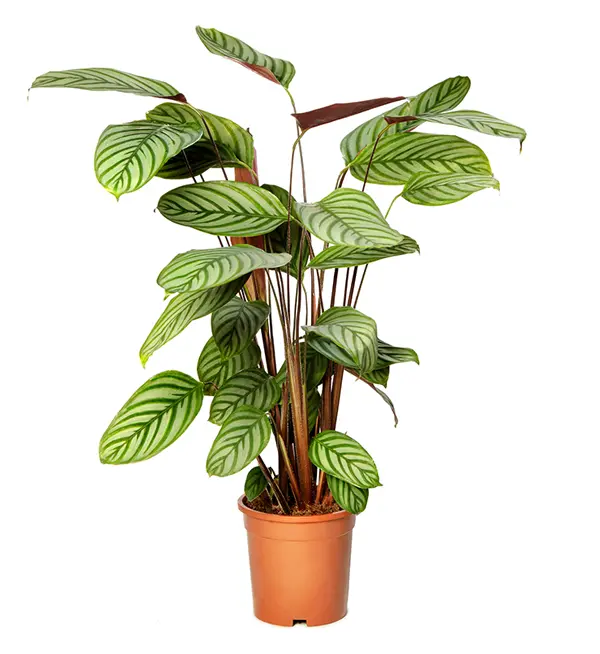
Ctenanthe oppenheimiana is a popular, evergreen plant species native to the tropical forests of Brazil. In this article, we will delve deeper into its key characteristics, provide practical tips on how to cultivate it successfully in your home, and explore some fun facts about this stunning plant.
Understanding Ctenanthe Oppenheimiana
The Ctenanthe oppenheimiana is a member of the Marantaceae family and is often used as an ornamental plant due to its striking leaf shape and resilient nature. The leaves are long, narrow, and come in various shades of green, yellow, silver, and white, depending on the species and origin. This plant’s unique appearance makes it a popular choice for indoor gardens and collections.
Characteristics
The Ctenanthe oppenheimiana is a low-maintenance plant that thrives in a variety of lighting conditions, including full sun to partial shade. However, it’s essential to provide some protection from direct sunlight, especially during hot summer days. The temperature range for this plant should not drop below 15°C (59°F), and it prefers well-draining soil with a slightly acidic pH.
Choosing the Right Soil
To ensure healthy growth, select a high-quality potting mix that drains excess water quickly. A mix of peat moss, perlite, or vermiculite can help maintain optimal moisture levels. Avoid using fertilizers containing nitrogen, as this can lead to weak stem growth and poor root development. When selecting a potting mix, consider the specific needs of your Ctenanthe oppenheimiana and choose a mix that caters to those requirements.
Watering and Humidity
Ctenanthe oppenheimiana requires consistent moisture, especially during the spring and summer months. Water thoroughly, allowing excess water to drain from the pot. Reduce watering in autumn, and avoid overwatering, which can cause root rot. To maintain optimal humidity levels, use a humidifier or place the plant on a tray filled with water and pebbles.
Fertilization
Feed your Ctenanthe oppenheimiana with a balanced fertilizer (20-20-20) during the growing season (spring-fall). Dilute the fertilizer to half the recommended strength to avoid burning the roots. Avoid overfertilizing, as this can cause more harm than good. Fertilize sparingly during the winter months when growth is slower.
Propagation and Division
To propagate your Ctenanthe oppenheimiana, divide the plant in the spring when it reaches maturity. Use a sharp knife or pruning shears to separate the stems, making sure each section has at least two nodes. Replant the sections immediately in a well-draining potting mix. Alternatively, you can use stem cuttings to propagate the plant.
Common Pests and Diseases
The Ctenanthe oppenheimiana is susceptible to pests like spider mites and mealybugs. Use neem oil or insecticidal soap to control infestations. Regularly inspect your plant for signs of disease, such as yellowing leaves or black spots. Treat fungal infections with a fungicide specifically designed for indoor plants.
Fun Facts
The Ctenanthe oppenheimiana gets its name from the Greek words “ktei” (pettine) and “anthos” (flower), referring to the plant’s unique leaf shape. This plant is often referred to as a “prayer plant” due to its habit of folding and unfolding its leaves at night, mimicking the action of praying.
Prayer Plant Habitats
In their natural habitats, Ctenanthe oppenheimiana plants thrive in shaded areas with rich soil and consistent moisture. These conditions allow them to grow slowly but steadily, developing their unique leaf shapes and maintaining optimal health.
Caring for Your Ctenanthe Oppenheimiana
By understanding the needs of your Ctenanthe oppenheimiana and following these care tips, you can enjoy this beautiful plant in your home or office for years to come. Here are some additional tips to help you keep your plant happy and healthy:
- Repotting: Repot your Ctenanthe oppenheimiana every 2-3 years to provide fresh soil and a larger pot if necessary.
- Pruning: Prune your plant regularly to maintain its shape and promote new growth.
- Pest control: Regularly inspect your plant for signs of pests and take action immediately if you notice any issues.
Propagation Methods
While division is the most common method of propagation, stem cuttings can also be used to create new plants. To propagate using stem cuttings:
- Take 4-6 inch stem sections with at least two nodes.
- Remove lower leaves and place the section in a glass of water or a moist potting mix.
- Keep the cutting in a warm, bright location until roots develop (usually within 1-2 weeks).
- Transplant the new plant into a well-draining potting mix once it has developed a robust root system.
Common Problems
While Ctenanthe oppenheimiana is generally low-maintenance, there are some common problems that can arise:
- Leaf drop: Overwatering or underwatering can cause leaves to fall off. Adjust your watering schedule accordingly.
- Yellowing leaves: Fertilizer burn, overwatering, or pests can cause yellowing leaves. Check for signs of fertilizer burn and adjust your fertilization schedule if necessary.
Tips for Growing Ctenanthe Oppenheimiana
Here are some additional tips to help you grow a healthy and thriving Ctenanthe oppenheimiana:
- Provide bright but indirect light: East- or west-facing windows are ideal.
- Maintain consistent temperatures: Avoid placing the plant near heating vents, radiators, or air conditioning units.
- Water sparingly in winter: Reduce watering during the dormant season to prevent root rot.
Conclusion
The Ctenanthe oppenheimiana is a stunning and low-maintenance plant that can thrive in your home with proper care. By understanding its characteristics, providing optimal conditions, and taking regular care, you can enjoy this beautiful plant for years to come.


