
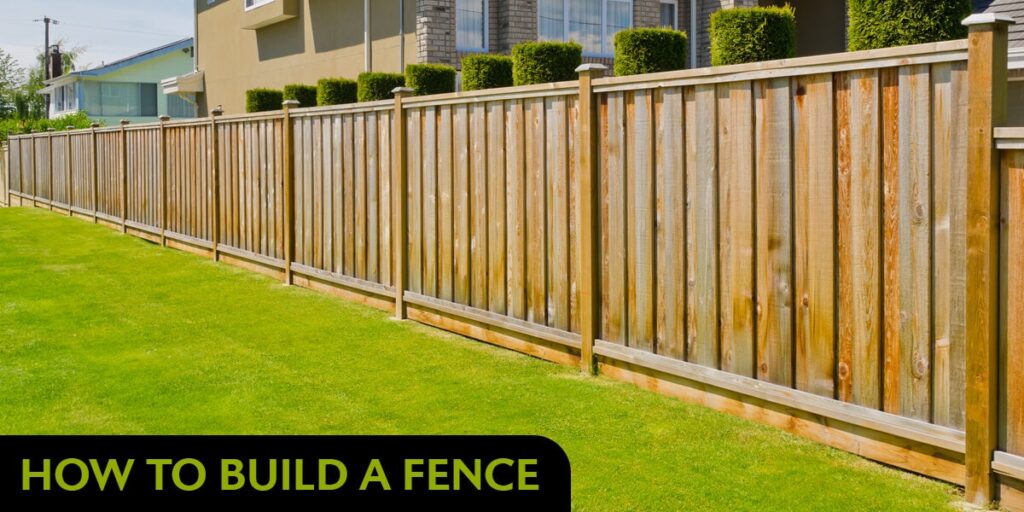
Fencing can be a daunting task, but with the right guidance, you can create a secure and functional barrier for your property. In this article, we’ll walk you through the process of building a fence using simple materials such as poles, wire, and wood.
Materials Needed for a Small Fence
- Poles (wooden or metal)
- Wire
- Posts
Before we begin, it’s essential to choose the right materials for your project. Wooden poles are a popular choice, but you can also opt for metal poles if you prefer. Make sure to select posts that resist weathering well, such as cedar or pine.
Treating Poles for Longer Durability
To extend the life of your poles, follow these steps:
- Apply catmint or treat them with a solution of 10% copper sulfate.
- Dip the ends of the poles in water containing calcium carbonate (3%) for one week.
- Repeat this process every six months to maintain pole health.
Building a Small Fence: A Step-by-Step Guide
- Planting Poles: Dig holes for your poles, about one-third of their length deep. Place two poles at an angle, with the top pointing towards the outside. Space them 2-3 meters apart for added stability.
- Adding Horizontal Rails: Plant horizontal rails between the vertical poles to provide a sturdy base for your fence. Use metal or wooden posts, spaced about 40 cm from the ground.
- Attaching Wire: Attach wire to the top and bottom of the poles using a sturdy knot.
Building a Fence with a Stecchonata: A More Resilient Option
If you need to secure larger animals, consider building a stecchonata fence. This design is ideal for closing off animal enclosures within a specific area.
- Planting Posts: Install wooden posts 2-3 meters apart, spaced between each other by about 2-3 meters.
- Laying Rails: Create four rows of horizontal rails, spaced 40 cm from the ground and about 1.5 meters above the bottom rail.
- Securing Poles: Use a combination of wooden and metal poles to create a sturdy framework for your fence.
Tips and Variations
- Consider using reclaimed or repurposed materials for added sustainability.
- If you’re building a fence for animal containment, consider using reinforced wire mesh or hardware cloth for extra security.
- Consult local regulations regarding fence height and material restrictions.
Conclusion
Building a fence can seem daunting, but with the right materials and guidance, it’s an achievable DIY project. Remember to choose durable materials, follow proper construction techniques, and ensure your fence meets local building codes. By following these steps, you’ll be well on your way to creating a secure and functional barrier for your property.
Frequently Asked Questions
- What is the best material for building a fence?
The choice of material depends on the intended use and location of the fence. Wooden poles are durable but may rot over time, while metal poles offer added security but can be expensive. - How high should my fence be?
Check local regulations regarding fence height restrictions. A standard height range is between 1-3 feet (30-90 cm). - Can I use a pre-made fence panel kit?
Yes, pre-made fence panels are available at most hardware stores or home improvement centers. These kits can save time and effort but may not offer the same level of customization as building from scratch. - How often should I inspect my fence?
Regularly check for damage, rot, or signs of animal damage to ensure your fence remains secure and functional. -
What are some common mistakes when building a fence?
Common errors include using low-quality materials, inadequate spacing between posts, and failing to follow local regulations. -
How do I determine the best location for my fence?
Consider factors such as sunlight, wind direction, and accessibility when selecting the optimal location for your fence. - What are some alternative fencing options?
Other options include trellises, arbors, and decorative screen fences. Consider the style and functionality of your property when choosing an alternative fencing solution. - How long will it take to build a fence?
The construction time depends on the size of the area, material complexity, and individual work pace. A small fence can be completed in a few days, while larger projects may require several weeks or even months.
Advanced Fence Building Techniques
For experienced DIYers and professionals, consider exploring advanced techniques such as:
- Using reinforced wire mesh for added security
- Installing self-closing gates with secure locking mechanisms
- Incorporating electrical components for automated gate control
- Building fence sections with complex curves and shapes
Common Fence Materials
Here are some common materials used in fence construction:
- Wooden poles (cedar, pine, etc.)
- Metal poles (galvanized steel, aluminum, etc.)
- Wire mesh (nylon or polypropylene)
- Posts (wooden or metal)
- Rails (metal or wooden)
- Hardware cloth
- Self-closing gates
DIY Fence Safety Tips
When building a fence, it’s essential to prioritize your safety and the safety of others. Follow these tips:
- Wear protective gear such as gloves, safety glasses, and a dust mask.
- Use ladders or scaffolding only when necessary and always follow manufacturer instructions.
- Keep loose clothing and long hair tied back to avoid entanglement with wire or other materials.
- Work in well-lit areas and take regular breaks to avoid fatigue.
Local Regulations and Building Codes
Before building your fence, check local regulations regarding fence height and material restrictions. Familiarize yourself with relevant building codes and ensure your project complies with all requirements. Consult local authorities if you’re unsure about any aspect of the construction process.
By following these guidelines and considering local regulations, you’ll be able to create a secure and functional barrier for your property that meets your unique needs and preferences.


