
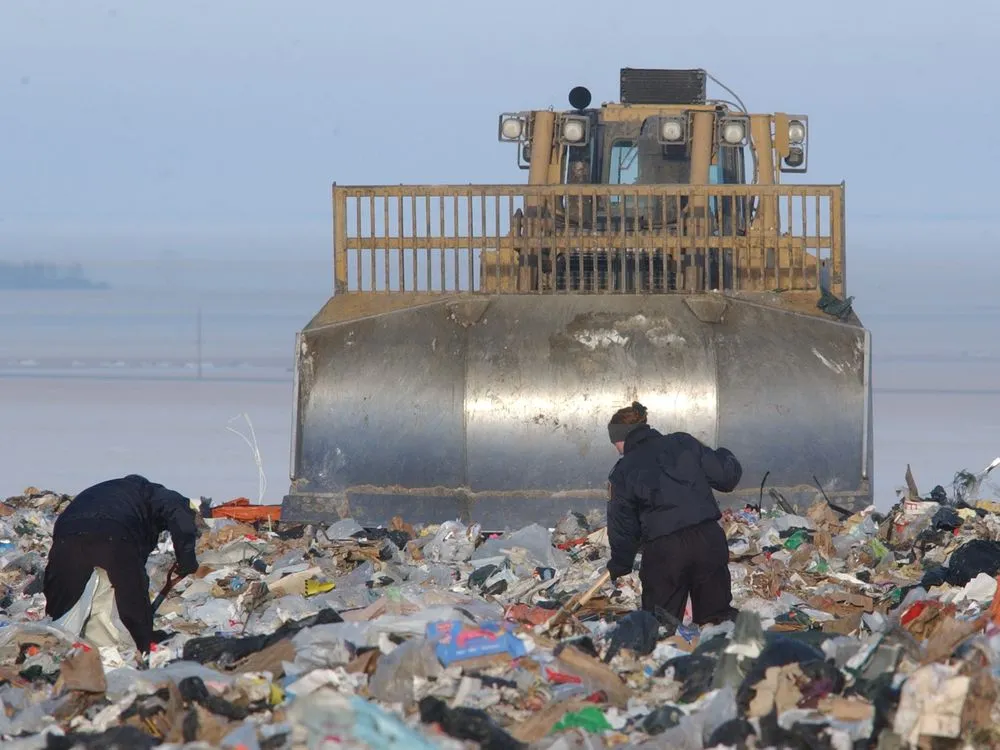
The Discarded Bodies of Urban Society
In the heart of our cities, there exist dumping grounds where waste is discarded and lives are lost. This is the theme of Elisabetta Bucciarelli’s novel “Corpi di scarto”, a thought-provoking exploration of urban decay and social neglect.
The Discarded Bodies of Our Time
In today’s society, we often forget that our trash has a story to tell. From discarded buildings to abandoned cars, the landscape of our cities is littered with the remnants of our throwaway culture. But what happens when these discarded bodies are not just physical, but also emotional and psychological?
The Search for Meaning in a Throwaway World
Iac, an adolescent growing up too fast, and his brother Tommi, navigate the treacherous landscape of their own personal discards. Along the way, they encounter others who have been left behind, including Silvia, a beautiful girl struggling to come to terms with her body. Through their stories, Bucciarelli shines a light on the invisible forces that shape our lives.
Iac’s story is one of disillusionment and frustration, as he struggles to find his place in the world amidst the decay and neglect that surrounds him. He feels like he’s constantly fighting against the tide, trying to hold onto something that seems lost forever. But despite this sense of desperation, Iac remains determined to forge a path for himself, no matter how difficult it may seem.
Tommi, on the other hand, is a more introspective character. He’s haunted by his own demons, and struggles to come to terms with the fact that he’s been left behind by society. Through his experiences, Bucciarelli explores the theme of neglect and abandonment, highlighting the ways in which we can be left feeling invisible and insignificant.
Silvia’s story is perhaps the most poignant of all. She’s a beautiful girl who has been discarded like trash, left to fend for herself on the streets of her own city. Her experiences are both heartbreaking and thought-provoking, as she struggles to find a place in a world that seems determined to reject her.
Through these characters’ stories, Bucciarelli raises important questions about our relationship with waste and with each other. What happens when we discard people, rather than just objects? How do we treat those who are left behind, and what does this say about our values as a society?
The Invisible Enemy: Indifference and Superficiality
But amidst the discards, there exists an even greater threat: indifference and superficiality. These two enemies of empathy and connection can be just as destructive as the physical waste that fills our landfills.
Indifference is a powerful force that can crush even the strongest of spirits. When we ignore or dismiss someone’s struggles, we send a clear message that their pain and suffering are not worth our attention. This can lead to feelings of isolation and loneliness, as individuals feel like they’re truly alone in their struggles.
Superficiality is another threat that we must confront. When we focus on the surface level of things, without taking the time to dig deeper, we risk missing out on important truths about ourselves and others. Superficiality can lead to a shallow understanding of the world around us, one that neglects the complexities and nuances that make life so rich and meaningful.
The Power of Discarded Knowledge
Bucciarelli’s novel suggests that discarded knowledge, or what we often throw away without a second thought, can be transformed into something valuable and empowering. Through the characters’ experiences, she shows us that even in the midst of decay and neglect, there lies a hidden potential for growth and transformation.
One way to approach this is by embracing the concept of “upcycling”. Rather than discarding materials or objects without thinking about their potential uses, we can try to repurpose them in new and creative ways. This approach requires us to be more mindful of our consumption habits, and to consider the impact that our actions may have on the environment.
Another way to tap into discarded knowledge is by engaging with local history and culture. By exploring the stories and traditions of our communities, we can gain a deeper understanding of the world around us, and develop a greater appreciation for the ways in which we’re all connected.
The Author’s Journey
Elisabetta Bucciarelli is a writer from Milan who has been exploring the themes of urban decay and social neglect through her work. With “Corpi di scarto”, she continues to push the boundaries of what we consider acceptable in our society, and encourages us to rethink our relationship with waste and with each other.
Bucciarelli’s own experiences growing up in an urban environment have clearly shaped her writing style and thematic concerns. Her exploration of decay and neglect is deeply personal, reflecting her own feelings of disillusionment and frustration with the world around her.
But Bucciarelli’s work is not just a reflection of her own emotions; it’s also a call to action. She encourages readers to think critically about their own relationship with waste and with each other, and to consider the impact that our actions may have on the environment.
Conclusion
“Corpi di scardo” is a powerful exploration of the discarded bodies that surround us every day. Through its vivid characters and thought-provoking themes, it challenges us to confront the invisible enemies of indifference and superficiality, and to rediscover the value in our own discarded knowledge. As we navigate the complexities of modern life, this novel reminds us that even in the midst of decay, there lies a hidden potential for growth and transformation.
Frequently Asked Questions
What inspired you to write “Corpi di scarto”?
I was inspired by my own experiences growing up in a urban environment, where waste and neglect are an integral part of everyday life. I wanted to explore the themes of decay and transformation that are inherent in this context.
How do you think we can reduce our impact on the environment?
One way is to become more mindful of our consumption habits and to seek out sustainable solutions for waste management. We must also work to create a culture of empathy and connection, where people feel valued and seen.
What message do you hope readers take away from “Corpi di scarto”?
I hope that readers will be inspired to think critically about their own relationship with waste and with each other. I also hope that they will be encouraged to seek out new ways of living in harmony with the environment, rather than just discarding it.
What’s next for you as a writer?
I’m currently working on a new novel that explores the intersection of technology and social justice. I’m excited to continue pushing the boundaries of what we consider acceptable in our society.
How can readers get involved in your work?
Readers can find me on Twitter, Facebook, Google+, Pinterest, and other platforms. They can also follow my blog for updates on my latest projects and initiatives.
What do you hope readers will take away from your novel “Corpi di scarto”?
I hope that readers will be moved by the stories of the characters and inspired to think about their own place in the world. I also hope that they will be challenged to confront the invisible enemies of indifference and superficiality, and to seek out new ways of living in harmony with the environment.
Recommendations
If you’re looking for more books that explore themes of urban decay and social neglect, I recommend checking out:
- “The City & The City” by China Miéville
- “The Wind-Up Bird Chronicle” by Haruki Murakami
- “The Brief Wondrous Life of Oscar Wao” by Junot Díaz
These novels all explore the complexities of urban life in unique and thought-provoking ways, and offer valuable insights into the human condition.
Glossary
- Upcycling: The process of transforming materials or objects into new products with a reduced environmental impact.
- Superficiality: A lack of depth or substance in one’s thoughts, feelings, or actions.
- Indifference: A lack of concern or interest in something or someone.
- Discarded knowledge: Information or skills that are forgotten or overlooked due to neglect or abandonment.
Resources
If you’re interested in learning more about the topics explored in “Corpi di scarto”, I recommend checking out:
- The United Nations’ Sustainable Development Goals (SDGs)
- The Environmental Protection Agency’s (EPA) waste reduction and recycling guidelines
- The World Health Organization’s (WHO) report on the impact of urbanization on mental health.
These resources offer valuable insights into the complexities of urban decay and social neglect, and provide practical solutions for reducing our impact on the environment.


