
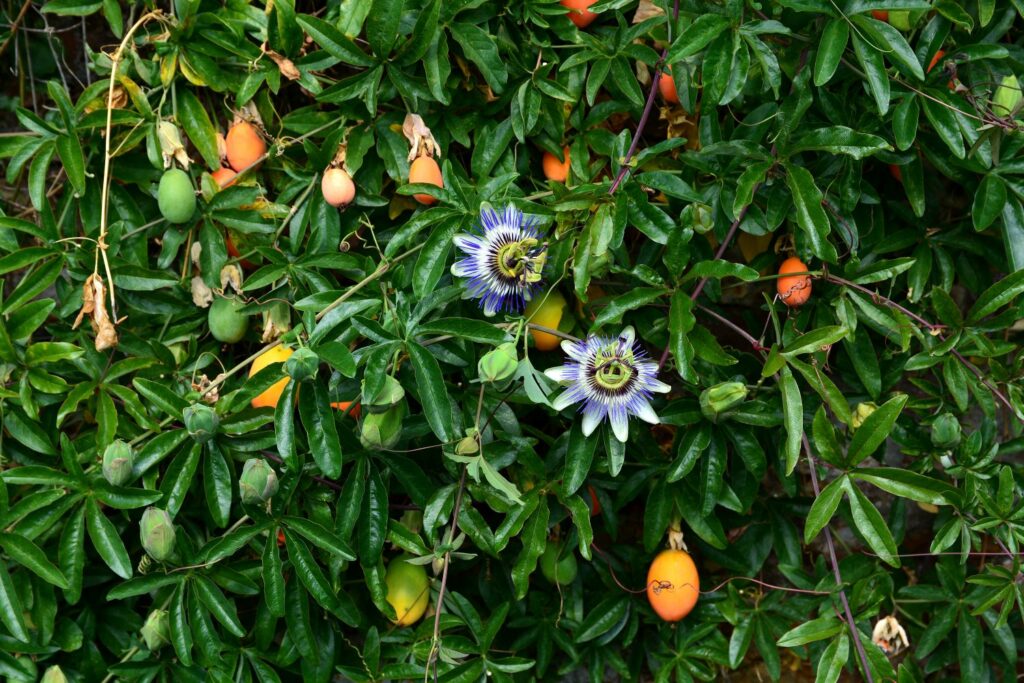
The Passionflower: A Versatile Plant for Ornamental, Culinary, and Therapeutic Purposes
The passionflower (Passiflora) is an herbaceous plant cultivated for its ornamental value, culinary uses, or therapeutic benefits. With over 465 species, the passionflower has gained popularity worldwide due to its numerous properties and effects on human health.
Origin and Distribution of Passionflowers
Native to Central and South America, but also found in North America, Australia, and Asia, passionflowers are widely cultivated for their ornamental value, medicinal properties, and edible fruit. Two of the most commonly grown species are Passiflora caerulea and Passiflora incarnata.
Passionflowers are not only admired for their beautiful flowers but also for their unique foliage and climbing habits. The Passiflora caerulea, in particular, is valued for its long ramification and ability to thrive in cold climates, making it an ideal choice for Italian gardeners.
Characteristics of Passionflowers
The Passiflora caerulea boasts:
- Long, woody stems with dark green leaves
- White-purple flowers measuring 8-12 cm (10 cm average) in diameter
- Five white-pink petals and five sepals surrounding a double crown of yellow filaments, blue, violet, pink, or purple
- Gynoecium with three carpels containing large stigmas
Passionflowers produce edible fruit, known as maracuja (passionfruit), which has a delicate flavor. The most suitable species for fruit production are:
- Passiflora antioquiensis
- P. coccinea
- P. edulis
- P. laurifolia
- P. ligularis
- Passiflora maliformis
- P. membranacea
- P. mixta
- P. mollissima
- P. nitida
- P. vitifolia
Growing and Caring for Passionflowers
Passionflowers can be grown in full soil, containers, or even indoors as an apartment plant. They require bright sunlight, moderate temperatures, and adequate humidity to thrive.
Tips for Growing Passionflowers:
- Choose a warm location with well-draining soil
- Water regularly, but avoid overwatering
- Fertilize every 15 days during the spring and summer months
- Prune in early spring to maintain shape and promote healthy growth
Cultivating Passionflowers: A Comprehensive Guide
When growing passionflowers, it’s essential to consider the following factors:
- Climate: Choose a variety that thrives in your region’s temperature and humidity levels
- Soil: Ensure the soil is well-draining and fertile
- Light: Provide bright sunlight for optimal growth
Harvesting and Preparing Passionfruit
To enjoy the fruits of your labor, follow these steps:
- Choose a ripe passionfruit: Select fruit with a deep red or yellow skin, slightly soft to the touch
- Cut open the fruit: Use a sharp knife to cut along both sides of the fruit’s equator
- Scoop out the pulp: Use a spoon or scoop to remove the edible pulp and seeds
Therapeutic Properties of Passionflowers
The passionflower has been used for centuries in traditional medicine due to its potential therapeutic benefits, including:
- Anxiety relief: The infusion is often consumed to alleviate anxiety and promote relaxation
- Insomnia treatment: Passionflower extracts can be used as a natural remedy for insomnia
Preparation and Consume of Passion Flower
Passionflowers have been traditionally consumed in various forms, such as:
- Tea infusions
- Infused water
- Dried flowers or leaves
Benefits and Precautions
While passionflowers offer numerous benefits, they can also pose risks, particularly for individuals with certain medical conditions. It is crucial to consult a healthcare professional before consuming passionflower products.
Conclusion
Passionflowers are an incredibly versatile plant with numerous applications in ornamental gardening, culinary arts, and traditional medicine. Whether you’re looking to add a unique touch to your garden or seeking relief from anxiety and stress, the passionflower is an excellent choice.
Frequently Asked Questions (FAQs)
- What is the best time to grow passionflowers?
- Passionflowers can be grown year-round in warm climates, but they thrive in temperate regions during spring and summer.
- Can I grow passionflowers indoors?
- Yes, passionflowers can be grown indoors as an apartment plant, provided they receive bright sunlight and moderate temperatures.
- How do I care for passionflower plants?
- Passionflowers require well-draining soil, regular watering, fertilization, and pruning to maintain optimal health and growth.
- What are the benefits of consuming passionfruit?
- Passionfruit is rich in vitamins, minerals, and antioxidants, making it a nutritious addition to a balanced diet.
- Can I use passionflower as a natural remedy for anxiety?
- Yes, passionflower extracts have been used traditionally to alleviate anxiety and promote relaxation.
Incorporating Passionflowers into Your Garden
Passionflowers can be trained to climb walls, trellises, or other supports, adding an exotic touch to your garden. Consider incorporating these plants into your garden design for a unique and attractive feature.
Benefits of Passionflowers in Ornamental Gardens
- Visual appeal: Passionflowers boast beautiful flowers and foliage, adding visual interest to your garden.
- Climbing habit: Passionflowers can be trained to climb walls or trellises, providing structural support while adding aesthetic value.
- Attracting wildlife: Passionflowers attract pollinators and other beneficial insects, enhancing the biodiversity of your garden.
Incorporating Passionflowers into Your Life
Passionflowers offer numerous benefits beyond their ornamental and therapeutic properties. Consider incorporating these plants into your daily life for a more fulfilling experience.
Benefits of Passionflowers in Culinary Arts
- Delicious fruit: Passionfruit has a delicate flavor, making it an excellent addition to salads, smoothies, or desserts.
- Versatile uses: Passionflower leaves and stems can be used in herbal teas, infusions, or as a garnish for various dishes.
- Medicinal properties: Passionflowers have been traditionally consumed to alleviate anxiety and promote relaxation.
Incorporating Passionflowers into Your Therapeutic Routine
Passionflowers offer numerous therapeutic benefits, making them an excellent addition to your self-care routine. Consider incorporating these plants into your daily life for a more fulfilling experience.
Benefits of Passionflowers in Traditional Medicine
- Anxiety relief: The infusion is often consumed to alleviate anxiety and promote relaxation.
- Insomnia treatment: Passionflower extracts can be used as a natural remedy for insomnia.
- Neurological disorders: Passionflowers have been traditionally used to treat various neurological disorders, including epilepsy and Parkinson’s disease.
Incorporating Passionflowers into Your Wellbeing Routine
Passionflowers offer numerous benefits beyond their therapeutic properties. Consider incorporating these plants into your daily life for a more fulfilling experience.
Benefits of Passionflowers in Mindfulness and Relaxation
- Meditative effects: The aroma and flavor of passionflower can promote relaxation and reduce stress.
- Visual appeal: Passionflowers boast beautiful flowers and foliage, adding visual interest to your space.
- Therapeutic benefits: Passionflowers have been traditionally consumed to alleviate anxiety and promote relaxation.
In conclusion, the passionflower is a versatile plant with numerous applications in ornamental gardening, culinary arts, and traditional medicine. Whether you’re looking to add a unique touch to your garden or seeking relief from anxiety and stress, the passionflower is an excellent choice.


