
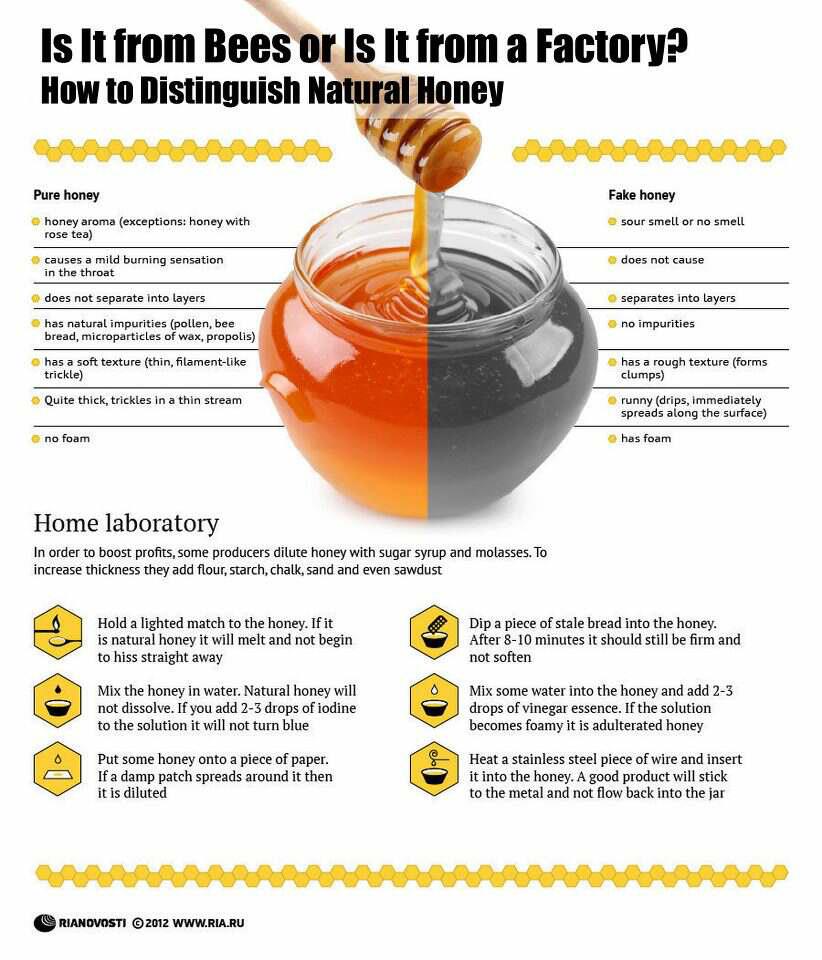
As we all know, honey has numerous health benefits due to its high mineral content, vitamins, and oligoelements. However, not all honey is created equal. The market is flooded with adulterated honey, which can be detrimental to our well-being. In this article, we will explore some simple tricks to help you identify pure, high-quality honey.
The Importance of Pure Honey
Honey has been a staple in many cultures for centuries, and its nutritional benefits are undeniable. However, the quality of honey can vary greatly depending on the source and production methods. Adulterated honey can contain additives like sugar or starch to extend shelf life, which can be detrimental to our health.
Regulations and Standards
The European Union has strict regulations regarding honey labeling. If a product is labeled as 100% pure, we should trust that it meets high standards. However, the old adage “trust no one” still applies. To ensure the authenticity of honey, we need to perform some simple tests.
Checking Honey Labels
When purchasing honey, it’s essential to check the label for signs of adulteration. Look out for ingredients like fructose or glucose, which are commonly added to extend shelf life. If you notice these additives, it’s best to avoid that particular product.
Other Signs of Pure Honey
Here are some simple tricks to help you identify pure honey:
- Solidification: All types of honey liquefy over time but eventually solidify. If your honey is already crystallized, it’s likely pure. If the liquid honey hasn’t solidified after a few days, there’s a good chance it contains water or other additives.
- Acidity Test: Add a spoonful of honey to a glass of water and five drops of acetic acid. If you notice foam forming, it may be an indication that the honey is adulterated with gels or wax.
- Density Test: Fill a spoon with pure honey, then let it drip slowly onto another spoon filled with water. The honey will form a thin layer on top of the water. This test helps detect additives like sugar or starch.
- Flame Test: Some honeys can be burned, but not all. If you notice that your honey catches fire easily, it’s likely pure.
The Science Behind Honey Testing
These tests are based on the unique chemical properties of honey. By understanding how honey reacts to different substances, we can determine its authenticity.
Storing Honey Properly
To preserve honey’s nutritional benefits and shelf life, store it in a dry environment with a consistent temperature below 20°C (68°F). Keep it away from direct sunlight to prevent degradation.
The Shelf Life of Honey
Unlike other foods, honey has an extremely long shelf life due to its low moisture content and acidity level. As long as it’s stored properly, honey can last indefinitely without losing its quality or nutritional value.
Conclusion
Identifying pure honey requires a combination of knowledge, patience, and attention to detail. By understanding the science behind honey testing and following these simple tips, you’ll be able to enjoy the health benefits of high-quality honey without compromising your well-being.
Frequently Asked Questions
- What is the difference between raw and filtered honey?
Raw honey is unfiltered and contains impurities like pollen and bee parts. Filtered honey has been processed to remove these particles, making it a better choice for some consumers. - Can I trust store-bought honey?
While many commercial honeys are pure, it’s not always easy to verify their authenticity. If you’re unsure about the quality of your honey, consider purchasing from local beekeepers or opting for organic options. - How do I clean my honey containers?
Regularly washing your honey containers with soap and warm water will prevent bacterial growth and contamination. Rinse thoroughly before storing new honey. - What is Manuka honey, and what are its benefits?
Manuka honey is made from the nectar of Manuka trees in New Zealand. It’s renowned for its antibacterial properties and potential health benefits when consumed raw. - Can I use filtered honey for cooking or baking?
While filtered honey can be used for cooking, it may lack some nutrients present in raw honey due to processing. If you choose to filter your honey, consider using a low-heat filtering process to preserve more nutrients. - How do I know if my honey is past its expiration date?
Honey’s shelf life is virtually indefinite as long as stored properly. However, if your honey has been exposed to high temperatures, humidity, or light, its quality may decrease over time. Trust your senses: if the honey smells off or tastes bitter, it’s likely spoiled. - Can I store honey in the fridge?
Storing honey in the refrigerator can slow down fermentation but won’t affect the overall quality. Be sure to check on your honey periodically for signs of spoilage or crystallization. - Is Manuka honey available in the United States?
Yes, many online retailers offer high-quality Manuka honey imports from New Zealand. When purchasing Manuka honey, ensure it’s labeled as “MGO 24+” or higher to guarantee its authenticity and potency.
Additional Resources
If you’re interested in learning more about the benefits of pure honey or want to explore other natural products, check out these resources:
- The Honey Board: A comprehensive guide to all things honey, including recipes, nutritional information, and beekeeping tips.
- American Beekeeping Federation: A community-driven resource for beekeepers and enthusiasts alike, offering articles, webinars, and educational materials.
By following these simple steps and understanding the science behind honey testing, you can unlock the purest honey possible. Remember to always prioritize your health and safety by choosing high-quality honey products that meet rigorous standards.


