
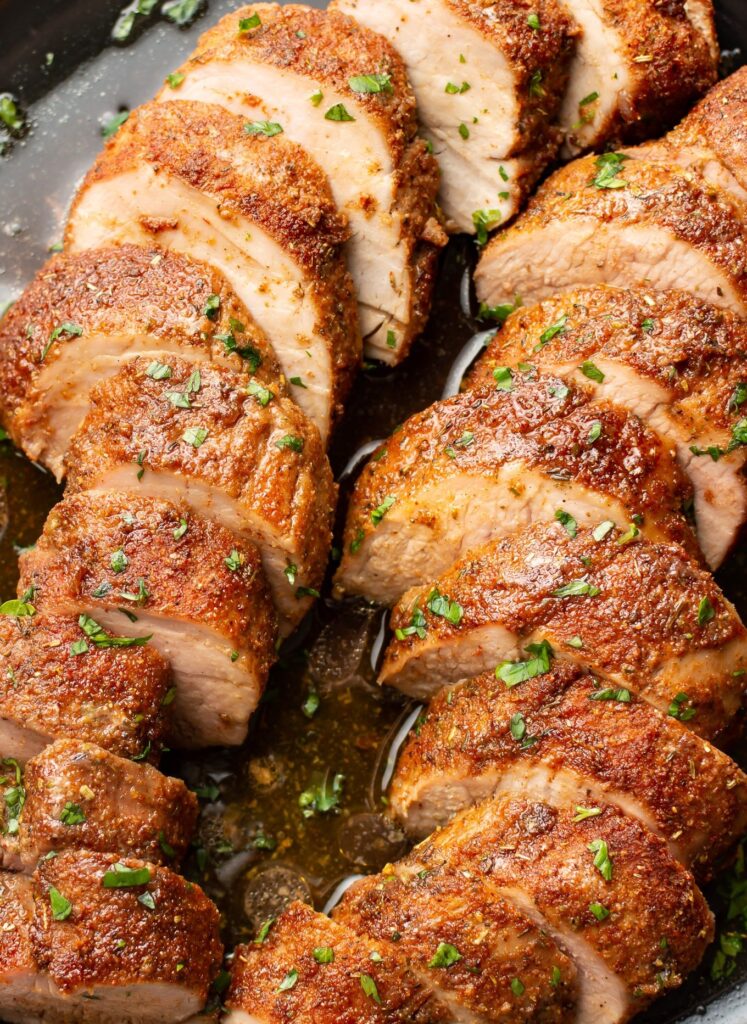
When it comes to cooking pork, one of the most popular and sought-after cuts is the loin. But have you ever wondered what exactly makes up this tender and flavorful piece of meat? In this article, we’ll delve into the world of pork loins, exploring the differences between lonza, arista, and lombata, as well as provide a simple recipe for cooking a mouth-watering pork loin in the oven.
Understanding Pork Loin: A Guide
Before we dive into the recipes, let’s first understand what constitutes a pork loin. The loin is a cut of meat from the back of the pig, specifically from the muscle area known as the carré. This area includes both lean and fatty tissue, which contributes to its tender yet juicy texture.
However, there’s another term that often gets confused with pork loin: arista. So, what exactly is arista? Simply put, arista refers to a larger section of meat that encompasses not only the loin but also the lombata – essentially, the entire posterior part of the pig.
Differences Between Lonza and Arista
So, how do you tell apart lonza from arista? The key difference lies in the portion of the muscle being used. Lonza refers to a leaner cut of meat from the carré area, whereas arista encompasses both the loin and lombata sections.
In terms of cooking methods, both can be used interchangeably, but arista often includes more fat, which can affect the overall texture of the dish.
A Simple Recipe for Cooking Pork Loin
Now that we’ve covered the basics, let’s get to cooking! This recipe for pork loin in the oven is a classic – simple yet flavorful and sure to impress your guests.
Ingredients:
- 1 (3-4 pound) pork loin
- 2 tablespoons olive oil
- 2 cloves garlic, minced
- 1 tablespoon honey
- 1 teaspoon Dijon mustard
- Salt and pepper, to taste
- Fresh thyme leaves, for garnish
Preheat your oven to 400°F (200°C). Season the pork loin with salt, pepper, and herbs. In a small bowl, whisk together olive oil, garlic, honey, and Dijon mustard.
Rub the mixture evenly over the pork loin, then place it in a roasting pan. Roast for about 20-25 minutes per pound or until the internal temperature reaches 145°F (63°C). Let the meat rest for 10-15 minutes before slicing.
The Secret to Tender Pork Loin
So, what’s the secret to achieving that tender and juicy texture in pork loin? The answer lies in slow cooking – allowing the meat to absorb all those flavors while remaining moist. This is where patience comes into play!
By following these simple steps and tips, you’ll be well on your way to becoming a master of the oven when it comes to cooking pork loins.
Tips and Tricks for Cooking Perfect Pork Loin
- Don’t overcrowd the roasting pan – this can lead to uneven cooking and dry meat.
- Use a thermometer to ensure the internal temperature reaches 145°F (63°C).
- Let the meat rest before slicing to allow juices to redistribute.
By combining these expert tips with our simple recipe, you’ll be on your way to creating delicious pork loins that will leave everyone asking for more.
Exploring Different Cooking Methods
While roasting in the oven is a classic method for cooking pork loin, there are other ways to cook it as well. Here are some alternatives:
- Grilling: This method can add a smoky flavor to your pork loin. Simply season the meat and place it on the grill over medium-high heat.
- Pan-frying: Pan-frying is another great way to cook pork loin. Heat a skillet with some oil, then add the pork loin and cook until browned and cooked through.
- Braising: This method involves cooking the pork loin in liquid (such as stock or wine) on low heat for an extended period of time. This can result in a tender and flavorful dish.
Common Mistakes to Avoid
While cooking pork loin, there are some common mistakes that can lead to dry meat or uneven cooking. Here are a few things to watch out for:
- Overcooking: Make sure not to overcook the pork loin, as this can make it dry and tough.
- Underseasoning: Don’t be afraid to add plenty of seasonings to your pork loin – this will help bring out its natural flavors.
- Not letting it rest: Letting the meat rest before slicing is an important step in achieving a tender and juicy texture.
By avoiding these common mistakes, you’ll be well on your way to creating delicious pork loins that everyone will love.
FAQs:
- What is the difference between lonza and arista?
Arista refers to a larger section of meat from the back of the pig that encompasses both the loin and lombata sections. - How do I choose the right pork loin recipe?
Choose a recipe that suits your taste preferences, skill level, and the occasion. - What’s the best way to cook pork loin in the oven?
Preheat the oven to 400°F (200°C), season the pork loin with salt, pepper, and herbs, then rub it with a mixture of olive oil, garlic, honey, and Dijon mustard before roasting for about 20-25 minutes per pound or until the internal temperature reaches 145°F (63°C). - What’s the secret to tender pork loin?
The answer lies in slow cooking – allowing the meat to absorb all those flavors while remaining moist. - How do I know if my pork loin is cooked properly?
Use a thermometer to ensure the internal temperature reaches 145°F (63°C). - Can I use arista instead of lonza for this recipe?
While both can be used interchangeably, arista may include more fat and affect the overall texture of the dish. - How do I prevent my pork loin from drying out while cooking in the oven?
Use a thermometer to ensure the internal temperature reaches 145°F (63°C) and let the meat rest before slicing. - Can I cook pork loin in other ways besides roasting in the oven?
Yes, you can also grill, pan-fry, or braise pork loin for different cooking methods.
By following these expert tips and recipes, you’ll be well on your way to becoming a master of the kitchen when it comes to cooking delicious pork loins.


