
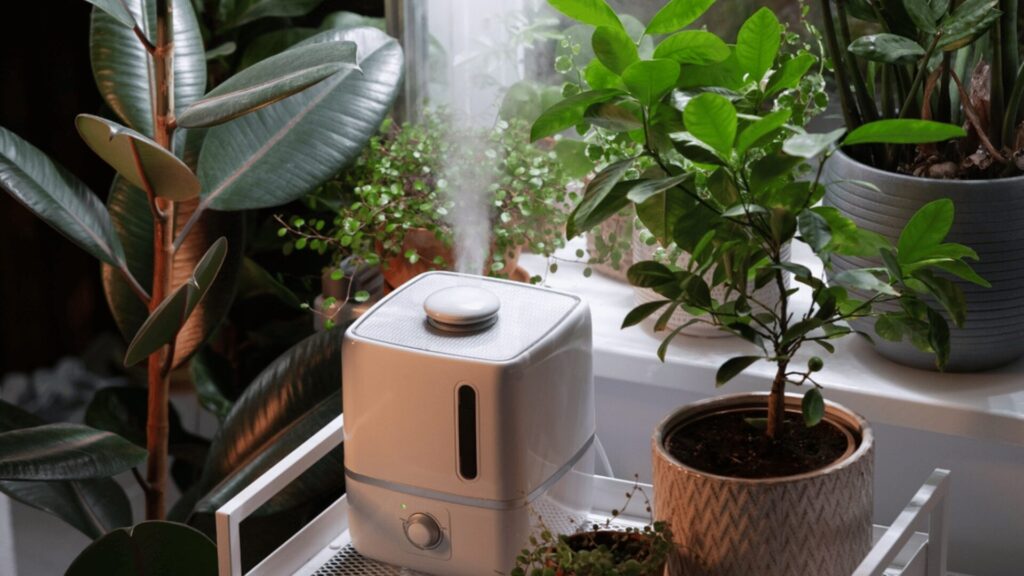
As the weather cools down, it’s essential to take steps to protect your plants from the dangers of domestic heating. When temperatures rise indoors, they can create a microclimate that’s detrimental to both you and your flora. Think about the dryness in your throat and the cold when you’re stuck inside with inadequate office or home temperatures compared to the great outdoors.
In this article, we’ll explore how to safeguard your plants from domestic heating and provide tips on placement, watering, and shielding them from drafts.
Understanding Plant Sensitivities
Not all plants are created equal when it comes to tolerance for dry air and heat. Some plants thrive in warm environments, while others prefer cooler temperatures or specific humidity levels. Researching the specific needs of your plant species will help you create a comfortable environment for them to flourish.
For example, ficus benjamina, peace lily, and snake plant love warmth and can tolerate high indoor temperatures. On the other hand, delicate plants like orchids and begonias prefer cooler temperatures and higher humidity levels.
Location and Placement
When it comes to placing your plants near heating sources, such as radiators or heaters, it’s essential to maintain a safe distance. The ideal distance will vary depending on the type of plant and the temperature of the heat source.
In general, it’s recommended to keep plants at least 3-5 feet away from direct heat sources to prevent overheating and scorching. If possible, place plants near the center of a room or in a corner where they’re not directly exposed to the heating source.
However, there are some exceptions to this rule:
- Heated greenhouses: If you have a heated greenhouse or a sunroom with a heater, it’s generally safe to place your plants closer to the heat source. Just be sure to monitor their condition and adjust their placement as needed.
- Specialized heating systems: Some heating systems, like radiant floor heating, can be designed to provide a gentle warmth that is safe for plants.
Watering and Humidity
Domestic heating can lead to dry air, which can cause plant leaves to drop and become stressed. To combat this, it’s essential to maintain optimal watering and humidity levels for your plants.
Check the moisture level of the soil by sticking your finger into the pot up to the first knuckle. If the soil feels dry, it’s time to water your plant. However, be cautious not to overwater, as this can lead to root rot and other issues.
To maintain optimal humidity levels, consider using a humidifier or misting plants regularly. This is especially crucial for plants like African violets, succulents, and cacti that thrive in high-humidity environments.
Some additional tips for maintaining optimal humidity levels:
- Group plants together: Grouping plants together can help create a microclimate with higher humidity levels.
- Use a tray with pebbles: Placing a tray filled with water and pebbles near your plants can help increase the surrounding humidity levels.
- Mist plants regularly: Regular misting can help maintain optimal humidity levels, especially for plants that are prone to dryness.
Shielding from Drafts
While drafts may not seem like a significant concern, they can still cause damage to your plants. To shield them from drafts, consider using:
- Airplane windows: Place your plant on an airplane window sill, which is designed to reduce air movement and prevent cooling.
- Draft screens: Create a makeshift draft screen by placing a piece of fabric or paper between the plant and the open window.
- Windbreaks: Use plants with dense foliage, like peace lilies or spider plants, as natural windbreaks around your windows.
By following these tips and understanding the specific needs of your plant species, you can create a comfortable environment that promotes healthy growth and minimizes damage from domestic heating.
Frequently Asked Questions
Q: How often should I water my indoor plants during the winter months?
A: Check the moisture level of the soil by sticking your finger into the pot up to the first knuckle. Water your plant when the soil feels dry, but avoid overwatering.
Q: Can I use a humidifier to maintain optimal humidity levels for my plants?
A: Yes, consider using a humidifier or misting plants regularly to maintain optimal humidity levels, especially for plants that thrive in high-humidity environments.
Q: How can I shield my plants from drafts and cold air?
A: Use airplane windows, draft screens, or windbreaks like dense foliage plants to reduce air movement and prevent cooling.
Q: What are some common indoor plants that prefer cooler temperatures?
A: Delicate plants like orchids, begonias, and African violets often prefer cooler temperatures and higher humidity levels.
Q: Can I place my plants near heating sources without risking damage?
A: Keep plants at least 3-5 feet away from direct heat sources to prevent overheating and scorching.


