
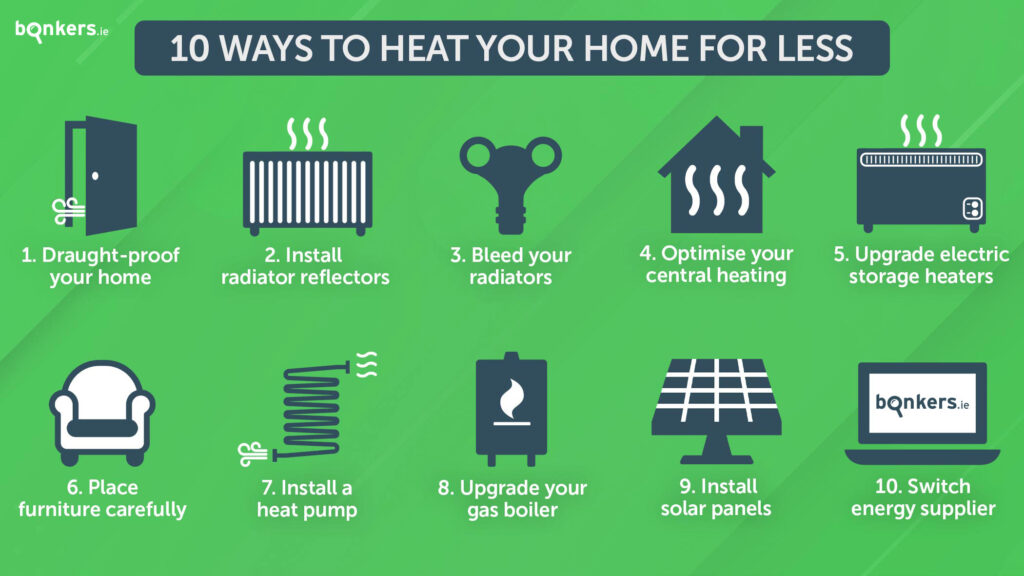
As the old adage goes, “home is where the heart is.” But did you know that warming up your home can have a significant impact on both your wallet and your well-being? In fact, it’s estimated that heating your home can cost as much as two-thirds of your total energy consumption. This means that small changes in how we heat our homes could lead to significant savings and improvements in air quality.
But the benefits of a warm and cozy home don’t stop there. Heat can also have an impact on our physical health, particularly when it comes to respiratory issues like asthma. So, what’s the best way to heat your home without breaking the bank or harming the environment?
Understanding Your Home’s Heating System
Before we dive into the nitty-gritty of heating our homes, let’s take a look at how our systems work. Most modern heating systems are designed to provide warmth and comfort, but they can also be energy-hungry and polluting if not maintained properly.
The first step in optimizing your home’s heating system is to inspect it regularly. This includes checking for any signs of wear and tear on the system itself, as well as making sure that all vents and chimneys are clear of debris. Replacing an old heating system with a new one can be a great investment, especially if you’re looking to upgrade to a more efficient model like a heat pump.
Temperature and Humidity: The Key to Comfort
So, what’s the perfect temperature for your home? While it may vary depending on personal preference, research suggests that a temperature of 20°C (68°F) with an humidity level between 45-55% is ideal. This range allows for optimal comfort without overheating or over-drying.
But how much can you really save by adjusting your thermostat? According to some estimates, dropping the temperature by just one degree Fahrenheit can lead to a savings of around 5%. However, it’s worth noting that too low of a temperature can still cause discomfort and other health issues.
Getting the Most Out of Your Home’s Natural Ventilation
When it comes to heating our homes, we often think in terms of artificial systems like radiators or central heating. But what about natural ventilation? By opening windows and using cross-ventilation, you can significantly reduce your heating needs without sacrificing comfort.
One simple technique is to open your windows for 10-15 minutes at a time, allowing fresh air to circulate through your home while also cooling it down slightly. This trick works because warm air rises, so by letting in some cool air, you can actually lower the overall temperature inside your home.
Radiators, Termosifoni, and Stoves: The Good, the Bad, and the Ugly
When it comes to radiators, termosifoni (also known as space heaters), and stoves, there are pros and cons to each. For example:
- Radiators can be noisy and inefficient if not properly maintained
- Termosifoni can be a fire hazard if not used correctly
- Stoves can produce harmful emissions and particulate matter
To get the most out of your radiators and termosifoni, make sure to keep them clean and well-maintained. You should also use a thermostat to regulate the temperature, ensuring that they don’t overheat or underheat.
As for stoves, be aware of any potential health risks associated with particulate matter and carbon monoxide emissions. Make sure to install proper ventilation systems to mitigate these risks.
Tips for Maximizing Energy Efficiency
In addition to understanding your home’s heating system, adjusting the temperature and humidity levels, and using natural ventilation techniques, there are several other ways to maximize energy efficiency in your home:
- Use thermal curtains or drapes to keep warm air from escaping through windows
- Install insulation in your attic, walls, and floors to reduce heat loss
- Use energy-efficient appliances and lighting to reduce overall energy consumption
- Consider installing a smart thermostat to optimize your heating system’s performance
Conclusion
Warming up your home can have a significant impact on both your wallet and your well-being. By understanding your home’s heating system, adjusting the temperature and humidity levels, and using natural ventilation techniques, you can significantly reduce energy consumption while maintaining optimal comfort. So next time you turn up the thermostat, remember that there are often simpler ways to warm up your home without breaking the bank or harming the environment.
Frequently Asked Questions
Q: How much can I really save by adjusting my thermostat?
A: Dropping the temperature by just one degree Fahrenheit can lead to a savings of around 5%.
Q: What’s the ideal temperature for my home?
A: A temperature of 20°C (68°F) with an humidity level between 45-55% is ideal.
Q: How do I maintain my radiators and termosifoni?
A: Make sure to keep them clean and well-maintained, and use a thermostat to regulate the temperature.
Q: Are stoves a safe option for heating my home?
A: Be aware of any potential health risks associated with particulate matter and carbon monoxide emissions. Install proper ventilation systems to mitigate these risks.
Q: What’s the best way to heat my home without breaking the bank or harming the environment?
A: Consider natural ventilation techniques, such as opening windows and using cross-ventilation, to significantly reduce your heating needs.
Q: Can I still use a space heater if I have asthma?
A: Yes, but make sure to choose an electric space heater specifically designed for indoor use, and follow all safety precautions.
Q: How often should I inspect my home’s heating system?
A: Regularly check for signs of wear and tear on the system itself, as well as making sure that all vents and chimneys are clear of debris.
Q: Are there any tax incentives or rebates available for upgrading to a more efficient heating system?
A: Yes, many governments offer incentives for installing energy-efficient home systems. Be sure to research these options in your area.
Additional Resources
If you’re looking for more information on how to warm up your home without breaking the bank or harming the environment, there are several additional resources available:
- The U.S. Department of Energy’s website offers a wealth of information on energy-efficient heating systems and tips for reducing energy consumption.
- The Environmental Protection Agency (EPA) provides guidance on safe use of space heaters and other heat sources.
- Your local utility company may also offer rebates or incentives for installing energy-efficient home systems.
By taking the time to understand your home’s heating system, adjusting the temperature and humidity levels, and using natural ventilation techniques, you can significantly reduce energy consumption while maintaining optimal comfort. So next time you turn up the thermostat, remember that there are often simpler ways to warm up your home without breaking the bank or harming the environment.


