
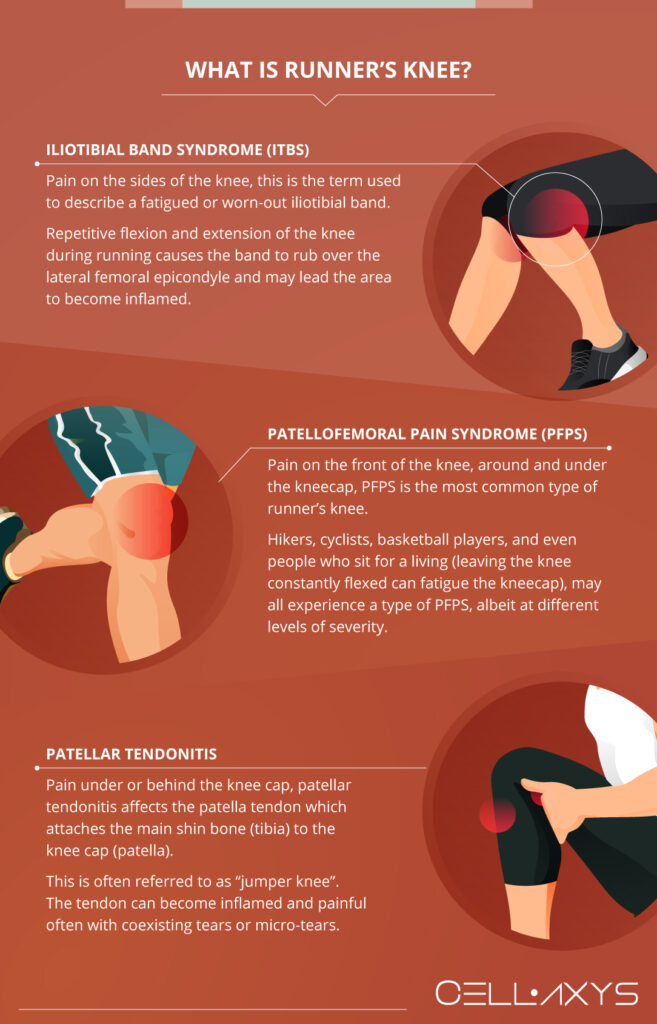
As an athlete or someone who regularly engages in physical activity, it’s not uncommon to experience knee pain. But what exactly is runner’s knee, and how can you diagnose and treat this common condition?
In this article, we’ll delve into the causes of runner’s knee, its symptoms, diagnosis, treatment options, and prevention strategies.
What is Runner’s Knee?
Runner’s knee, also known as patellofemoral pain syndrome (PFPS), is a condition characterized by pain around the front of the knee, specifically around the kneecap (patella). This pain can be caused by various factors, including a structural defect or an abnormal gait pattern that may develop over time.
Causes of Runner’s Knee
While runner’s knee is often associated with jogging or running, it can also occur in individuals who engage in other activities that involve repetitive stress on the knee joint. Some common causes include:
- A structurally defective kneecap
- Weak muscles around the knee
- Overuse or repetitive strain on the knee joint
- Poor footwear or inadequate support for the foot and ankle
- An imbalance in the quadriceps and hamstring muscles
Symptoms of Runner’s Knee
The most common symptom of runner’s knee is a dull ache or pain around the front of the knee, which may worsen with certain activities such as:
- Bending or straightening the knee
- Jumping or landing from a jump
- Squatting or lunging
Other symptoms may include:
- A feeling of stiffness or tightness in the knee joint
- Swelling or redness around the kneecap
- Soreness when walking or running on uneven surfaces
Diagnosis of Runner’s Knee
If you suspect that you have runner’s knee, it’s essential to consult with a healthcare professional for an accurate diagnosis. Your doctor may:
- Conduct a physical examination to assess your knee joint and surrounding muscles
- Review your medical history and activity level
- Take X-rays or an MRI to rule out other conditions
Treatment Options for Runner’s Knee
The primary goal of treatment is to alleviate pain and reduce inflammation around the kneecap. Treatment options may include:
- Rest and ice: Avoiding activities that aggravate the condition and applying ice to reduce swelling
- Stretching and strengthening exercises: To improve flexibility and strengthen surrounding muscles
- Footwear modifications: Wearing supportive shoes with a sturdy sole and adequate cushioning
- Physical therapy: Customized exercises and stretches tailored to your specific needs
- Medications: Anti-inflammatory medications such as ibuprofen or naproxen
Prevention Strategies
While it’s challenging to completely prevent runner’s knee, there are steps you can take to reduce the risk:
- Gradually increase activity levels: Avoid sudden changes in exercise routine
- Wear supportive shoes: Choose shoes with adequate arch support and cushioning
- Strengthen surrounding muscles: Incorporate exercises that target the quadriceps and hamstring muscles
- Maintain a healthy weight: Excess weight can put additional stress on the knee joint
Injury Patterns Associated with Runner’s Knee
Runner’s knee is often associated with specific injury patterns, including:
- IT band syndrome: A condition characterized by pain or inflammation along the iliotibial tract (IT band)
- Patellar tendinopathy: Inflammation of the patellar tendon
- Patellofemoral pain syndrome: Pain around the kneecap caused by abnormal tracking or movement
Preventing Runner’s Knee
To prevent runner’s knee, focus on maintaining a healthy lifestyle that includes:
- Regular exercise and stretching
- Adequate nutrition and hydration
- Proper footwear and equipment
- Gradual increase in activity levels
- Strengthening exercises for surrounding muscles
Common Activities that Exacerbate Runner’s Knee
Certain activities can exacerbate runner’s knee, including:
- High-impact activities such as running or jumping
- Poorly fitted shoes or inadequate support
- Overuse or repetitive strain on the knee joint
- Sudden changes in exercise routine
- Training on uneven surfaces
Concussions and Runner’s Knee
Research suggests that concussions may be associated with an increased risk of developing runner’s knee. This is thought to be due to the altered biomechanics caused by a concussion, which can lead to abnormal tracking or movement of the kneecap.
Conclusion
Runner’s knee is a common condition characterized by pain around the front of the knee. By understanding its causes, symptoms, diagnosis, treatment options, and prevention strategies, you can take steps to alleviate this painful condition and maintain a healthy active lifestyle.
Additional Tips for Managing Runner’s Knee
Here are some additional tips for managing runner’s knee:
- Wear orthotics or shoe inserts: Customized insoles can help reduce stress on the knee joint
- Use pain-relieving creams or sprays: Topical treatments can provide temporary relief from pain and inflammation
- Consider physical therapy: A customized exercise program can help strengthen surrounding muscles and improve knee function
Common Misconceptions about Runner’s Knee
There are several common misconceptions about runner’s knee, including:
- Runner’s knee is only caused by overuse: While overuse may contribute to the development of runner’s knee, it’s not the sole cause.
- Runner’s knee is always related to running: Runner’s knee can occur in individuals who engage in other activities that involve repetitive stress on the knee joint.
- Treatment for runner’s knee requires surgery: While surgery may be necessary in some cases, there are often effective treatment options available without surgical intervention.
Conclusion
Runner’s knee is a common condition characterized by pain around the front of the knee. By understanding its causes, symptoms, diagnosis, treatment options, and prevention strategies, you can take steps to alleviate this painful condition and maintain a healthy active lifestyle.
Final Thoughts on Runner’s Knee
Runner’s knee is an important condition that affects many individuals who engage in physical activity. By understanding its causes, symptoms, and treatment options, you can take steps to prevent or manage runner’s knee and enjoy your favorite activities without discomfort or pain.
Remember, prevention and early intervention are key to managing runner’s knee. If you suspect that you have runner’s knee, don’t hesitate to consult with a healthcare professional for an accurate diagnosis and effective treatment plan.
Common Questions about Runner’s Knee
Here are some common questions about runner’s knee:
- Can I still exercise if I have runner’s knee?
Yes, but it’s essential to modify your workout routine to avoid exacerbating symptoms. - What is the best way to treat runner’s knee?
Treatment options may include rest and ice, stretching and strengthening exercises, footwear modifications, physical therapy, and medications. - Can I prevent runner’s knee by wearing proper shoes?
Yes, wearing supportive shoes with adequate arch support and cushioning can help reduce stress on the knee joint.
I hope this expanded text provides a comprehensive overview of runner’s knee, including its causes, symptoms, diagnosis, treatment options, and prevention strategies.


