
The Benefits of Aloe Vera Juice: Separating Fact from Fiction
A Natural remedy with a Rich History
Aloe vera, a succulent plant known for its healing properties, has been consumed for centuries. Its gel and juice have been used to treat various ailments, from digestive issues to skin problems. However, it’s essential to separate fact from fiction when it comes to the benefits of aloe vera juice.
Understanding Aloe Vera Juice
Aloe vera juice is extracted from the leaves of the aloe plant, which contain over 200 active compounds. These compounds are responsible for its numerous health benefits and medicinal properties. The juice is often used as a natural remedy for various health issues, but it’s crucial to understand its composition and potential risks.
Caution: Do-It-Yourself Aloe Vera Juice
While some advocate for making your own aloe vera juice at home, this is not recommended. Commercially produced aloe vera juice undergoes specific processing that removes most of the aloin, a potentially toxic compound found in the plant’s parenchyma. When attempting to make your own aloe vera juice at home, you risk consuming excessive amounts of aloin.
Why You Should Buy Aloe Vera Juice from a Reputable Source
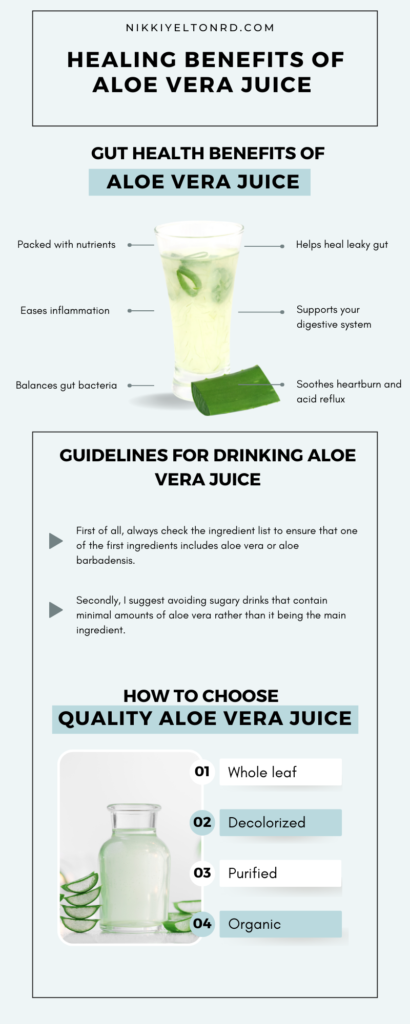
To ensure safety and effectiveness, it’s recommended to purchase aloe vera juice from a reputable source. Look for products that are labeled as “100% pure” and “organic.” These products have undergone quality control checks to guarantee their purity and potency.
What to Expect from High-Quality Aloe Vera Juice
A high-quality aloe vera juice should be free of additives, preservatives, and artificial flavorings. It should also be clear in its labeling regarding the source of the aloe plant and any processing methods used.
The Benefits of Aloe Vera Juice for Digestive Health
Aloe vera juice has been shown to have beneficial effects on digestive health, including:
- Relieving constipation: The fiber content in aloe vera juice can help regulate bowel movements and alleviate symptoms of constipation.
- Soothing the digestive tract: Aloe vera’s anti-inflammatory properties can help reduce inflammation and irritation in the digestive tract.
The Benefits of Aloe Vera Juice for Skin Health
Aloe vera juice has also been used to promote skin health, including:
- Reducing inflammation: Aloe vera’s anti-inflammatory properties can help reduce redness and swelling in the skin.
- Hydrating the skin: Aloe vera’s hydrating properties can help improve skin elasticity and reduce the appearance of fine lines and wrinkles.
The Benefits of Aloe Vera Juice for Oral Health
Aloe vera juice has also been used to promote oral health, including:
- Reducing plaque and gingivitis: Aloe vera’s antibacterial properties can help reduce plaque and prevent gum disease.
- Soothing mouth ulcers: Aloe vera’s anti-inflammatory properties can help soothe and heal mouth ulcers.
Tips for Using Aloe Vera Juice
To get the most out of your aloe vera juice, follow these tips:
- Dilute with water: Aloe vera juice should be diluted with water before consumption to avoid any potential adverse effects.
- Start with small amounts: If you’re new to consuming aloe vera juice, start with small amounts and gradually increase your intake as needed.
- Consult with a healthcare professional: Before adding aloe vera juice to your diet, consult with a healthcare professional to ensure it’s safe for you to do so.
Common Side Effects of Aloe Vera Juice
While aloe vera juice is generally considered safe, there are some common side effects to be aware of:
- Digestive issues: Some people may experience digestive issues such as bloating, gas, and stomach cramps after consuming aloe vera juice.
- Allergic reactions: Some people may be allergic to aloe vera and experience symptoms such as hives, itching, and swelling.
Contraindications of Aloe Vera Juice
Aloe vera juice is not recommended for everyone. Certain individuals should avoid consuming aloe vera juice, including:
- Pregnant or breastfeeding women: Aloe vera juice may stimulate the uterus and cause contractions.
- People with diabetes: Aloe vera’s high fiber content may lower blood sugar levels.
- People with digestive issues: Aloe vera juice may exacerbate existing digestive issues.
Conclusion
Aloe vera juice has been used for centuries due to its numerous health benefits. However, it’s crucial to separate fact from fiction and choose high-quality products from reputable sources. By understanding the composition of aloe vera juice and following proper usage guidelines, you can harness its potential for improved digestive health.
Frequently Asked Questions (FAQs)
Q: Is aloe vera juice safe for consumption?
A: Yes, aloe vera juice is generally considered safe when consumed in moderation. However, it’s essential to choose high-quality products from reputable sources and follow proper usage guidelines.
Q: Can I make my own aloe vera juice at home?
A: No, it’s not recommended to make your own aloe vera juice at home due to the risk of consuming excessive amounts of aloin.
Q: What are the benefits of drinking aloe vera juice?
A: Aloe vera juice has been shown to have numerous health benefits, including relieving constipation, soothing the digestive tract, and promoting overall digestive health.
Q: How much aloe vera juice should I consume per day?
A: The recommended dosage of aloe vera juice varies depending on individual needs. Start with small amounts (50 ml) and gradually increase your intake as needed.
Q: Can I add aloe vera juice to my diet if I have any underlying health conditions?
A: Consult with a healthcare professional before adding aloe vera juice to your diet, especially if you have any underlying health conditions or are taking medications.
Q: How long does aloe vera juice last once opened?
A: Aloe vera juice should be consumed within 30 days of opening and stored in a cool, dry place to prevent spoilage.
Q: Can I buy aloe vera juice from any store?
A: No, it’s recommended to purchase high-quality aloe vera juice from reputable sources that adhere to quality control standards.


