
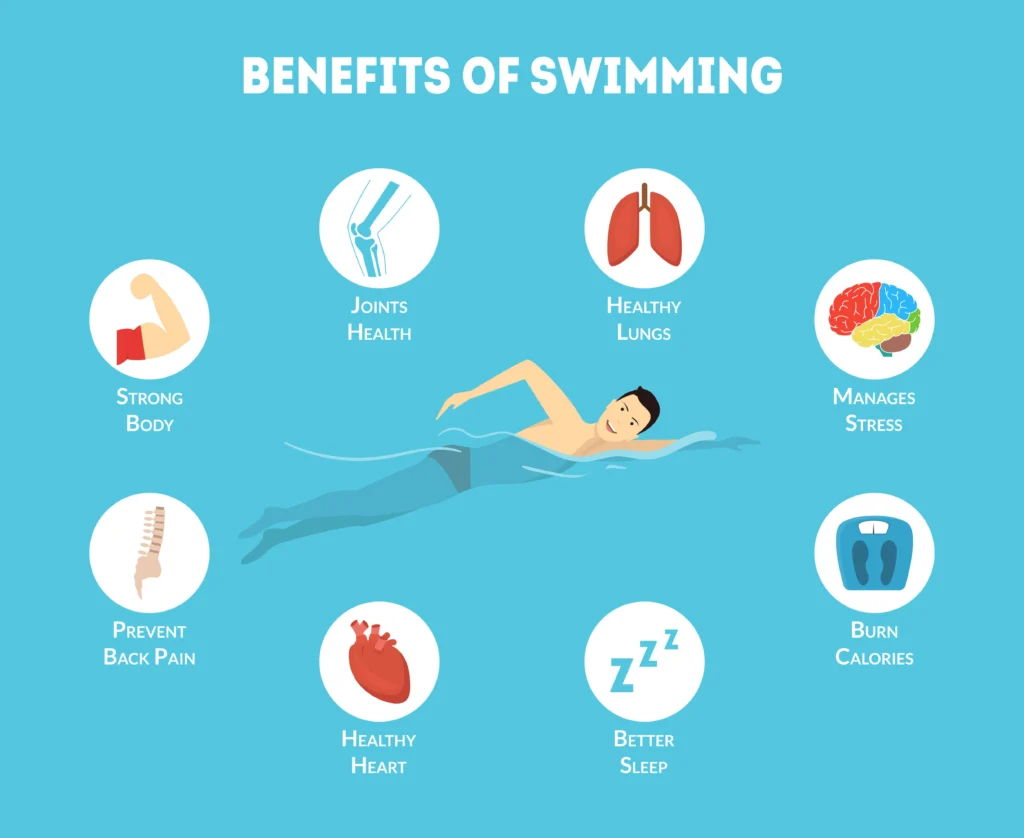
As you consider your fitness goals, you may have heard that swimming is one of the best exercises out there. But why? In this article, we’ll explore the numerous benefits of swimming, from its impact on your diet and health to its mental and emotional advantages.
Benefits for Your Diet
One of the most significant advantages of swimming is its ability to burn calories. Whether you’re a beginner or an experienced athlete, swimming can help you shed those extra pounds and maintain a healthy weight. In fact, studies have shown that 10 minutes of swimming can burn up to 60 calories, while more intense sessions can burn even more.
But the benefits of swimming don’t stop there. This exercise also has a positive impact on your cholesterol levels and overall cardiovascular health. Swimming helps to maintain healthy blood vessels and prevent conditions like high blood pressure.
Swimming is also great for people with diabetes, as it reduces their risk of developing type 2 diabetes. In fact, the American Diabetes Association recommends swimming as part of a regular exercise routine to manage blood sugar levels.
Additionally, swimming can help you lose weight by increasing your metabolism and building muscle mass. This means that even after your workout is over, your body will continue to burn calories at an increased rate, helping you shed pounds and maintain weight loss.
Swimming also has a positive impact on your appetite hormones, reducing the desire for unhealthy snacks and improving your overall eating habits. In fact, research has shown that people who swim regularly tend to have healthier eating habits and lower levels of body fat.
Benefits for Your Sports Performance
Many athletes incorporate swimming into their training regimens because it’s an excellent way to improve overall fitness without putting excessive strain on your muscles and joints. Swimming is also low-impact, which means you can train without worrying about injuries or overuse.
Swimming helps to build strong bones and muscles, particularly in the upper body. This is especially beneficial for women going through menopause or those with osteoporosis or osteopenia. The sport also improves your flexibility and range of motion, reducing your risk of injury and improving overall athletic performance.
The fluid movements involved in swimming also help to strengthen your joints and connective tissues, making them less prone to damage. This is especially beneficial for people who have trouble with their knees, hips, or shoulders.
Swimming is also an excellent way to improve your endurance and stamina. As you swim longer distances, your body adapts by increasing its efficiency and reducing fatigue. This means that you’ll be able to swim further and faster without getting tired as easily.
The benefits of swimming for athletes are numerous, but some of the most significant advantages include:
- Improved muscle strength and endurance
- Increased flexibility and range of motion
- Enhanced cardiovascular fitness
- Reduced risk of injury and overuse
- Improved overall athletic performance
Benefits for Your Mental Health
Swimming is not just good for your body; it’s also great for your mind. The repetitive movements involved in swimming can be meditative, helping you relax and reduce stress levels. In fact, many people find that swimming helps them clear their minds and focus on the present moment.
Swimming is also an excellent way to improve your mood and overall sense of well-being. The endorphins released during exercise help to boost your mood and reduce symptoms of anxiety and depression.
Additionally, swimming can be a great way to overcome mental health challenges such as anxiety, depression, and post-traumatic stress disorder (PTSD). The repetitive movements involved in swimming can be calming and soothing, helping you relax and feel more centered.
Swimming is also a great way to socialize and connect with others. Many people meet new friends through their local swim team or gym, while others enjoy the camaraderie that comes with sharing a fitness goal with others.
The benefits of swimming for mental health are numerous, but some of the most significant advantages include:
- Reduced stress levels and improved mood
- Improved focus and concentration
- Enhanced self-esteem and confidence
- Increased social connections and community building
- Improved overall mental well-being
Benefits for Your Overall Health
The list of benefits associated with swimming goes on and on! This sport can help you live longer, healthier lives by reducing your risk of chronic diseases like heart disease, stroke, and cancer. Swimming also helps to improve your immune system, reducing your risk of illness and infection.
In addition to its physical benefits, swimming is also great for your social life. Many people meet new friends through their local swim team or gym, while others enjoy the camaraderie that comes with sharing a fitness goal with others.
Swimming can also help you live longer by reducing your risk of premature death from all causes. In fact, research has shown that regular swimming can add up to 5-10 years to your life expectancy!
The benefits of swimming for overall health are numerous, but some of the most significant advantages include:
- Reduced risk of chronic diseases like heart disease and stroke
- Improved immune system function
- Increased lifespan and improved overall well-being
- Enhanced social connections and community building
- Improved mental health and reduced stress levels
Common Misconceptions About Swimming
While swimming is an excellent sport, there are some common misconceptions about it that might hold you back from trying it out. For example:
- Some people believe that swimming requires extensive experience or specialized equipment. However, swimming can be done by anyone, regardless of age or ability.
- Others think that swimming is too expensive or inaccessible. While gym memberships and swim lessons can add up, there are many affordable options available, such as community centers, public pools, and even online tutorials.
Getting Started with Swimming
If you’re new to swimming, don’t be intimidated! Here are a few tips to get you started:
- Find a reputable swim instructor or coach who can teach you proper technique and safety guidelines.
- Start slow: begin with short sessions and gradually increase your duration and intensity as you become more comfortable in the water.
- Practice regularly: consistency is key when it comes to improving your swimming skills.
It’s also important to note that there are many types of swimming, each with its own unique benefits and challenges. Some popular types of swimming include:
- Stroke-specific swimming (e.g., freestyle, backstroke, breaststroke)
- Water aerobics
- Aquatic fitness classes
- Competitive swimming
Regardless of which type of swimming you choose, remember to start slowly, practice regularly, and seek guidance from a qualified instructor or coach.
Frequently Asked Questions
Here are some answers to common questions about swimming:
Q: Is swimming too difficult for people with injuries or disabilities?
A: No! Swimming can be modified to suit individual needs and abilities. Many people with injuries or disabilities find that swimming helps them manage their condition and improve their overall well-being.
Q: Can I swim if I have a medical condition, such as diabetes or high blood pressure?
A: Absolutely! Swimming is often recommended for people with these conditions, as it can help manage symptoms and reduce the risk of complications.
Q: How much does swimming cost?
A: The cost of swimming depends on your location, access to facilities, and personal preferences. Some community centers offer free or low-cost swim lessons, while others may require a membership fee.
Q: Can I swim if I’m an older adult?
A: Yes! Swimming is an excellent way for seniors to stay active, mobile, and mentally healthy. Many swimming programs cater specifically to older adults, offering gentle exercises and water-based activities that are easy on the joints.
Q: Is swimming suitable for young children?
A: Absolutely! Swimming is a great way for kids to learn about water safety, develop their motor skills, and have fun while staying active. Many swim schools offer classes specifically designed for young children.
Q: How can I stay motivated and engaged in my swimming routine?
A: Staying motivated can be challenging, but there are many ways to keep yourself engaged! Try setting goals, joining a swim team or club, or exploring different strokes and techniques. You can also find inspiration online through blogs, social media, or YouTube tutorials.
Q: Can I swim if I have sensitive skin or allergies?
A: Yes! While swimming can be beneficial for people with sensitive skin, it’s essential to take precautions to minimize irritation. Use sunscreen, swim in chlorinated pools that are specifically designed for sensitive skin, and avoid swimming after applying new skincare products.
Conclusion
Swimming is an incredible sport that offers a wide range of benefits for your body, mind, and overall health. Whether you’re looking to improve your fitness, reduce stress, or simply have fun, swimming is an excellent choice. So why not give it a try? Find a local swim instructor, join a swim team, or start with some basic online tutorials. Your body – and mind – will thank you!


